Concerts Deliver 93% Hotel Occupancy

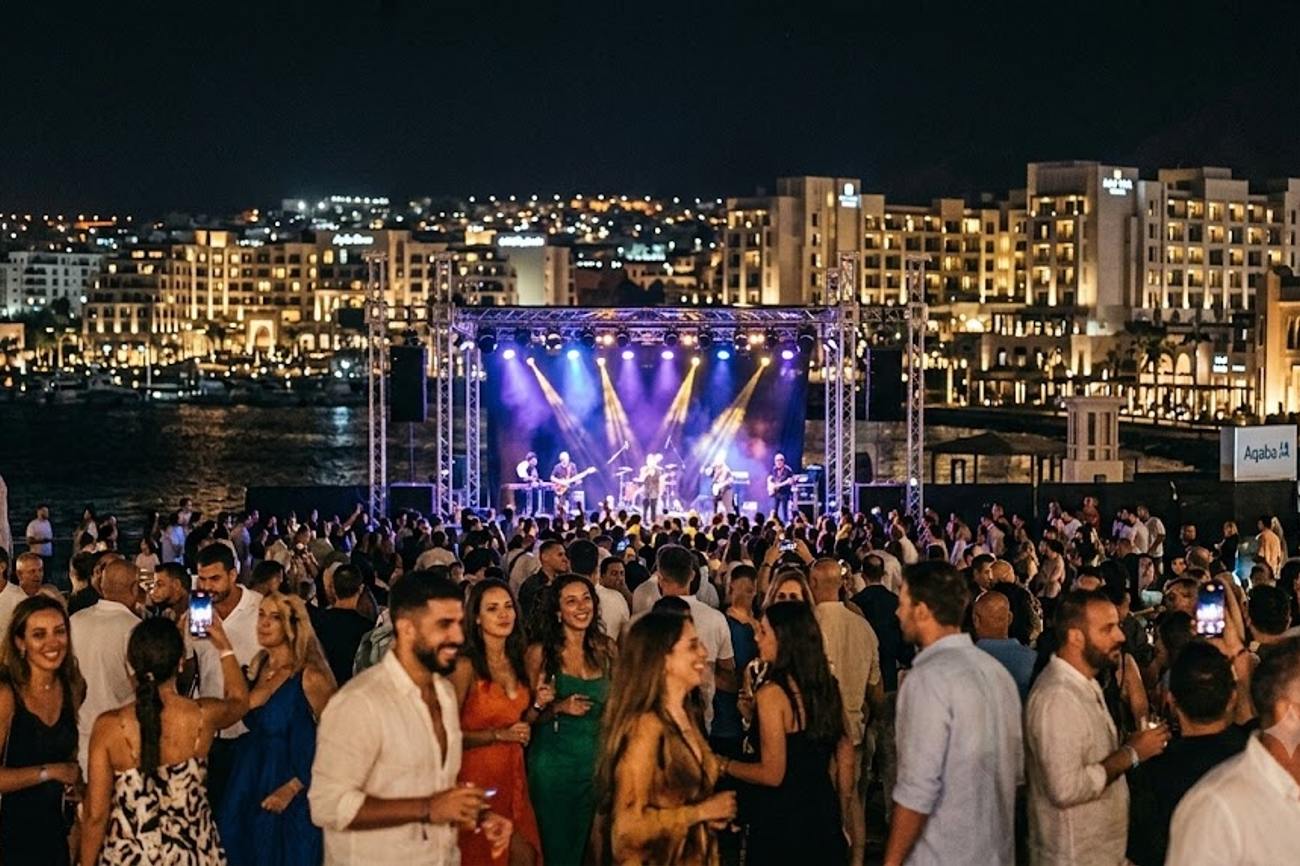
Image generated by AI
A 93% hotel occupancy rate in Aqaba signals a fundamental shift in how Jordan is leveraging its only coastal gateway to drive national economic growth. This surge, fueled by a strategic pivot toward large-scale entertainment and cultural events, indicates that the city is successfully transitioning from a seasonal transit point into a primary destination. By integrating a "concert economy" with traditional leisure, Aqaba is effectively decoupling its revenue streams from the rigid constraints of the traditional tourism calendar.
The Strategic Pivot to Event-Driven Tourism
For decades, Aqaba functioned primarily as the beach-side bookend to the "Golden Triangle" of Jordanian tourism, serving as a relaxation point for those visiting the archaeological ruins of Petra or the dunes of Wadi Rum. However, the current data suggests a reversal of this flow. The recent spike in occupancy is not the result of organic seasonal growth, but a calculated injection of cultural programming—specifically concerts and festivals—that act as the primary catalyst for travel.
This strategy addresses a long-standing vulnerability in the Jordan Tourism Board ecosystem: the volatility of seasonal demand. By scheduling high-profile entertainment events, the city creates artificial peaks in demand that force a surge in hotel bookings, transport utilization, and retail spending. The data shows that this effect begins several days prior to the actual event dates, suggesting that the "event-anchor" is driving longer-term planning and higher-value bookings rather than last-minute, short-stay visits.
Market Diversification and Capacity Metrics
The current growth is not monolithic; it is being sustained by a diversified portfolio of regional and international source markets. The proximity of Saudi Arabia remains a cornerstone of this growth, with road-based tourism providing a steady stream of short-term leisure visitors. Simultaneously, Russia has emerged as a strategic pillar, with increased connectivity facilitating a flow of travelers seeking coastal alternatives to traditional European or Mediterranean hubs.
The impact on the city's infrastructure is comprehensive. The 93% occupancy rate is not limited to a single tier of hospitality but is distributed across the entire accommodation spectrum.
| Accommodation Segment | Impact Level | Primary Driver |
|---|---|---|
| Luxury Coastal Resorts | Maximum | International & High-Net-Worth Regional Travelers |
| City-Centre Hotels | High | Event-goers and Short-stay Transit |
| Serviced Apartments | Moderate-High | Extended-stay families and Group travelers |
| Local Guest Houses | Moderate | Budget-conscious event attendees |
This distribution is critical because it prevents "tourism leakage," where high-spending visitors stay in isolated resorts without interacting with the local economy. Instead, the event-driven model pushes visitors into the city center, benefiting seafood restaurants, traditional markets, and local transport networks.
Expert Analysis: The Multiplier Effect of the Concert Economy
From a journalistic and economic perspective, the most significant data point is not the occupancy rate itself, but the change in visitor behavior—specifically the extension of the average length of stay. When a traveler visits Aqaba solely for a beach day, the economic footprint is shallow. When a traveler visits for a concert, they are utilizing the event as a "reason to travel," but they are staying for the "experience of the destination."
Russia's efforts to boost tourism in Aqaba have led to a significant increase in hotel occupancy, with concerts and events playing a major role in attracting visitors. According to official reports, hotel occupancy rates have reached 93% during peak concert seasons, with many travelers flying in through King Hussein International Airport, which offers convenient connections to major hubs. The airport's proximity to Aqaba's city center and its modern facilities make it an ideal entry point for tourists.
For travelers booking these routes, the direct consequence is a shift in the available inventory and pricing. As hotel occupancy nears 100%, we can expect a rise in Average Daily Rates (ADR) and a decrease in last-minute availability. The pricing pressure created by these events means that the "shoulder seasons" are effectively disappearing, leading to a more stabilized, year-round pricing model for the hospitality sector.
Furthermore, this creates a powerful supply-chain multiplier. The surge in restaurant demand does not just benefit the business owner; it ripples backward to food distributors, logistics operators, and local producers. This is a textbook example of how a service-sector event (a concert) translates into industrial activity (logistics and supply chain).
The integration of Aqaba with the broader Jordanian network—linking the Red Sea to the desert and the ruins—allows the city to act as a hub. By bundling event tickets with excursions to Petra and Wadi Rum, the tourism board is increasing the "per-visitor spend" and ensuring that the economic benefits of a single concert are distributed across multiple governorates.
Key Takeaways
- Occupancy Peak: Hotel occupancy has reached approximately 93%, with several properties hitting full capacity during major event windows.
- Market Shift: Growth is being driven by a strategic mix of Saudi Arabian road-travelers, an emerging Russian market, and European tourists on multi-city itineraries.
- Behavioral Change: Visitors are increasingly extending their stays beyond the duration of the events, integrating diving and shopping into their itineraries.
- Economic Ripple: The "concert economy" is driving employment in non-traditional sectors, including audio-visual production, event security, and specialized logistics.
- Strategic Goal: Aqaba is moving toward a structured, year-round events calendar to eliminate seasonal revenue dips.
FAQ: Aqaba Tourism 2024-2025
Is it difficult to find hotels in Aqaba during concert dates? Yes. With occupancy hitting 93%, luxury resorts and city-center hotels often reach full capacity. It is highly recommended to book accommodation several days or weeks in advance of scheduled festivals or concerts.
The rise in tourism has also been driven by collaborations with other countries, including Saudi Arabia, which has led to an increase in passenger traffic from the region. Travelers from Saudi Arabia can fly into Aqaba on airlines such as Saudi Arabian Airlines, which offers regular flights from major Saudi cities. As the tourism industry in Aqaba continues to grow, visitors can expect to find a wide range of activities and attractions, from water sports to cultural events, making it an attractive destination for travelers from around the world.
Which countries are visiting Aqaba the most right now? The primary growth drivers are Saudi Arabia, due to geographic proximity and road access, and Russia, which has become a strategic international market for coastal holidays in Jordan.
Can I combine a concert visit with other Jordanian sites? Absolutely. Most travelers use Aqaba as a base to visit the "Golden Triangle," which includes the Red Sea coast, the archaeological site of Petra, and the desert landscapes of Wadi Rum.
What activities are available in Aqaba besides entertainment events? Aqaba is a premier destination for Red Sea diving, snorkeling, luxury beach resorts, and traditional market shopping, all of which are seeing increased patronage during event periods.
The transformation of Aqaba from a quiet coastal outpost to an entertainment hub proves that in modern tourism, the event is the hook, but the destination is the product.
Tags: Aqaba-Tourism-2024, Jordan-Tourism-Board, Red-Sea-Hospitality, Saudi-Jordan-Travel, Event-Tourism-Economics, Petra-Wadi-Rum-Circuit
Related Travel Guides
- Abu Dhabi And IIFA Strengthen Global Entertainment Partnership As 27th Awards Edition Arrives In 2027
- India Enters A New Travel Economy Phase As Foreign Exchange Outflow Rises With Growing Overseas Travel Demand
- Seychelles and More Countries Ignite a Powerful Global Responsible Tourism Push for Lasting Peace
This article is for informational purposes. Flight routes, passenger regulations, visa rules, and transit advisories are subject to change by airlines and aviation authorities. Readers are advised to verify schedules and travel documentation with relevant carriers and border agencies before departure.
Related Stories

Thailand Tourism Slowdown Tests Small Businesses as Kingdom Pivots to High-Yield Travel and Secondary Provinces

South Africa Expands Inclusive Wildlife Tourism with Woman-Owned Wellness Centre at Addo Elephant National Park