
Romania Tourism Surges with Over 6% Visitor Growth in Q1 2026
Romania's tourism sector records over 6% visitor growth in the first quarter of 2026, building on a strong performance in 2025. Read travel updates.
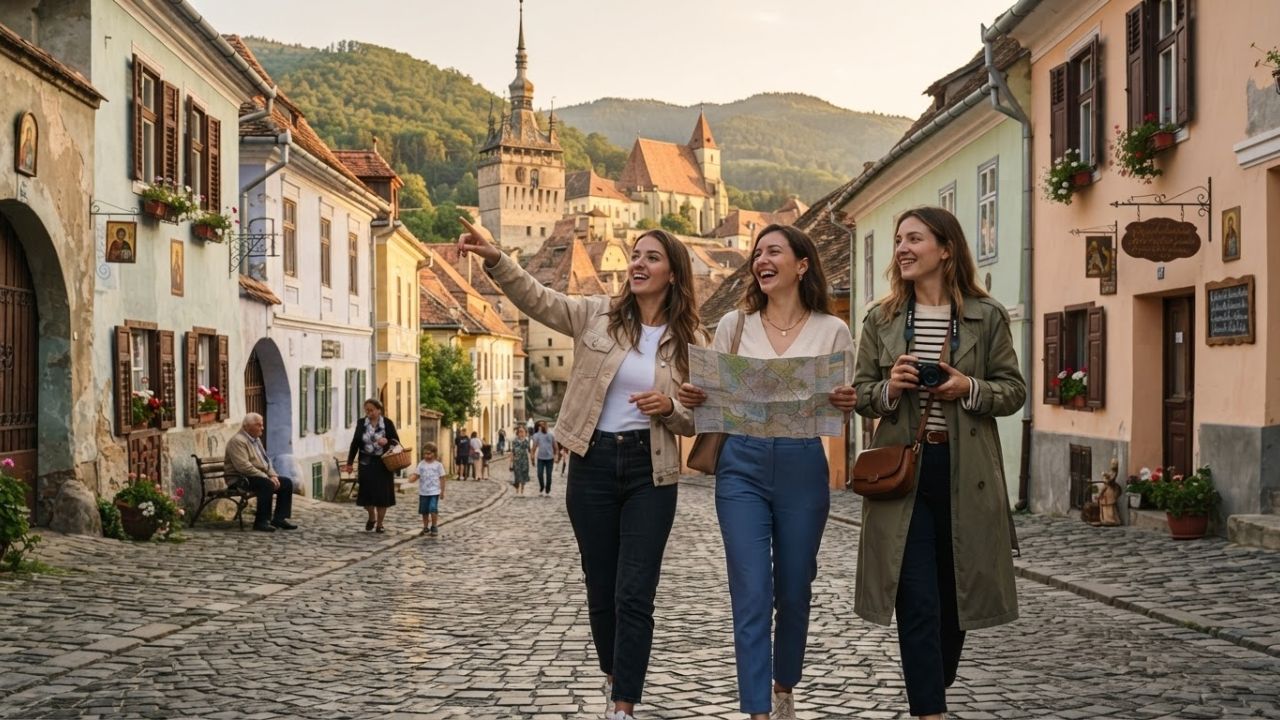
Image generated by AI
According to reports from international tracking agencies, Romania’s tourism sector recorded a visitor growth of over 6% between January and March 2026, accelerating the country’s emergence as a key destination in Eastern Europe.
The upward trend reflects a growing global demand for authentic, affordable travel options that avoid overcrowded tourist centers. Building on a tourism increase of more than six percent (6%) recorded for the year 2025, regional authorities are highlighting Romania's combination of medieval heritage, traditional rural communities, and environmental reserves. As travelers prioritize meaningful cultural connections and budget-friendly vacations, the country is successfully strengthening its identity in the European travel market. By practicing sustainable eco-tourism and supporting local communities, visitors can experience the region’s rich history while directly contributing to rural preservation.
The positive Q1 performance demonstrates that Romania is successfully moving beyond its image as a niche destination to compete with more established European capitals. Regional airports and train networks are managing the influx of international arrivals, with visitors exploring both urban centers and mountainous wilderness areas. For modern adventurers, the country offers a diverse array of tourism products, from skiing in the Carpathian Mountains to slow-travel experiences in Transylvanian villages. This balanced tourism strategy ensures that economic benefits are distributed beyond major urban centers to support local families and small-scale farmers.
Romania Post-Q1 Tourism Surge Driven by Heritage and Affordability
Data compiled through UN Tourism registries reveals that Romania's visitor growth is being driven by its ability to offer experiences that differ from traditional Western European packages. Travelers are increasingly searching for destinations that combine historical depth with natural preservation and affordable hospitality. The Q1 surge between January and March 2026 highlights a clear preference for value-for-money holidays, especially as international travel costs rise. The country’s diverse attractions—including medieval towns, historic castles, and local gastronomy—provide unique experiences without the premium price tag.
To illustrate the key factors driving this tourism expansion, the following table summarizes the operational details and key metrics of Romania’s early 2026 performance:
| Tourism Category | Performance Metric & Data | Primary Growth Drivers & Attraction Focus |
|---|---|---|
| Growth Period | January to March 2026 | Early season winter sports, cultural city breaks, and historic tours |
| Inbound Growth Rate | Over 6% visitor increase | Affordable travel alternatives, rising interest in Eastern Europe |
| Prior Year Growth | More than six percent (6%) in 2025 | Continued positive momentum, strengthening global market identity |
| Data Authority | UN Tourism database | Monitored through global travel dashboards and border registries |
| Primary Markets | European and international travelers | High demand from neighboring EU countries and long-haul explorers |
| Key Attractions | Transylvanian castles, Carpathian ski resorts | Slower-paced travel, medieval history, and traditional gastronomy |
Regional Highlights and Cultural Attractions Driving Inbound Travel
Romania’s cultural heritage remains its strongest tourism asset, featuring historic sites that are highly preserved and culturally significant. The region of Transylvania continues to draw the largest share of international interest, famous for its medieval atmosphere, gothic castles, and regional folklore. Historic cities such as Brașov, which offers gothic architecture and immediate mountain access, and Sibiu, known for its pedestrian old town and cultural events, serve as major hubs for cultural travelers. Additionally, the preserved medieval citadel of Sighișoara provides visitors with a rare look at a living historic center.
The capital city of Bucharest offers a different side of the Romanian experience, combining 19th-century architecture with modern museums, parks, and urban entertainment. Travelers seeking short European city breaks are increasingly choosing Bucharest and Cluj-Napoca, which has developed a reputation for cultural festivals, universities, and a modern lifestyle. In western Romania, Timișoara showcases historic streets, diverse architecture, and cultural events, highlighting the country's regional diversity and readiness to welcome international visitors.
Expanding Sustainable Rural Travel in Transylvania and Maramureș
One of Romania’s most significant opportunities for long-term development lies in rural and community-based eco-tourism. Regions such as Maramureș and Bucovina are famous for preserving centuries-old traditions, wooden architecture, and ancestral crafts. Travelers can stay in traditional guesthouses (pensiuni), participate in local farming activities, and experience regional gastronomy made from locally sourced ingredients. This rural travel style distributes visitor spending directly to local families, supporting family-owned agricultural cooperatives and small businesses in remote communities.
Additionally, the Carpathian Mountains and the Danube Delta biosphere reserve provide major opportunities for nature and adventure tourism. The Carpathians offer extensive trails for hiking, wildlife watching, and winter sports, while the Danube Delta attracts eco-tourists interested in birdwatching and wetland biodiversity. As global travelers demand environmentally responsible destinations, Romania’s focus on protecting its natural scenery and supporting local conservation programs gives it a significant advantage in the sustainable tourism market.
Analyzing Market Trends and Infrastructure Needs for Future Growth
While the over 6% visitor growth indicates strong progress, industry analysts suggest that Romania must address several challenges to maintain this momentum. Developing regional transport connections, including upgrading train lines between Bucharest, Brașov, and Cluj-Napoca, will be essential to facilitate smooth travel. Expanding international marketing campaigns to increase global awareness of the country's diverse offerings is also critical to attract long-haul travelers. By investing in modern tourism infrastructure and encouraging longer visitor stays, regional authorities can convert early seasonal growth into long-term economic stability.
Why This Matters (Information Gain & Experience)
For the traveler, this means that Romania provides a highly accessible, authentic, and value-for-money alternative to Western Europe's crowded destinations. Visiting historic regions like Transylvania during the spring and autumn shoulder seasons allows travelers to explore medieval castles and fortified churches without the long queues and high costs found in more famous European cities. From a logistical standpoint, the country’s efficient rail connections between major historic hubs like Sibiu and Brașov allow travelers to plan comprehensive, low-stress itineraries that combine city exploration with mountain hiking.
Additionally, choosing community-based guesthouses in rural areas like Maramureș ensures that your travel spending directly supports local conservation and the preservation of traditional lifestyles. Engaging with local hosts, tasting traditional dishes like sarmale (stuffed cabbage rolls) and papanasi (cottage cheese donuts), and purchasing handmade crafts directly from weavers provides a richer, more meaningful travel experience. It allows visitors to practice responsible, slow travel that respects the host culture while protecting the natural environment.
Related Travel Guides
Disclaimer
This article is for informational and educational purposes only. It does not constitute legal, financial, or professional advice. While we strive to provide accurate and up-to-date information, travel policies, regulations, and conditions change rapidly. Always verify information with official sources before making travel decisions. Nomad Lawyer makes no representations about the accuracy, reliability, completeness, or suitability of the information provided. Readers should consult qualified professionals for advice specific to their circumstances. The views expressed in this article are those of the author and do not necessarily reflect the views of Nomad Lawyer.