
Dreamliner Engine Upgrades: The Rolls-Royce Trent 1000 XE Durability Package Targets Tripling Time on Wing for Boeing 787
Rolls-Royce launches the Trent 1000 XE for the Boeing 787, offering a 40% increase in cooling airflow and lowering core temperatures by 45°C.

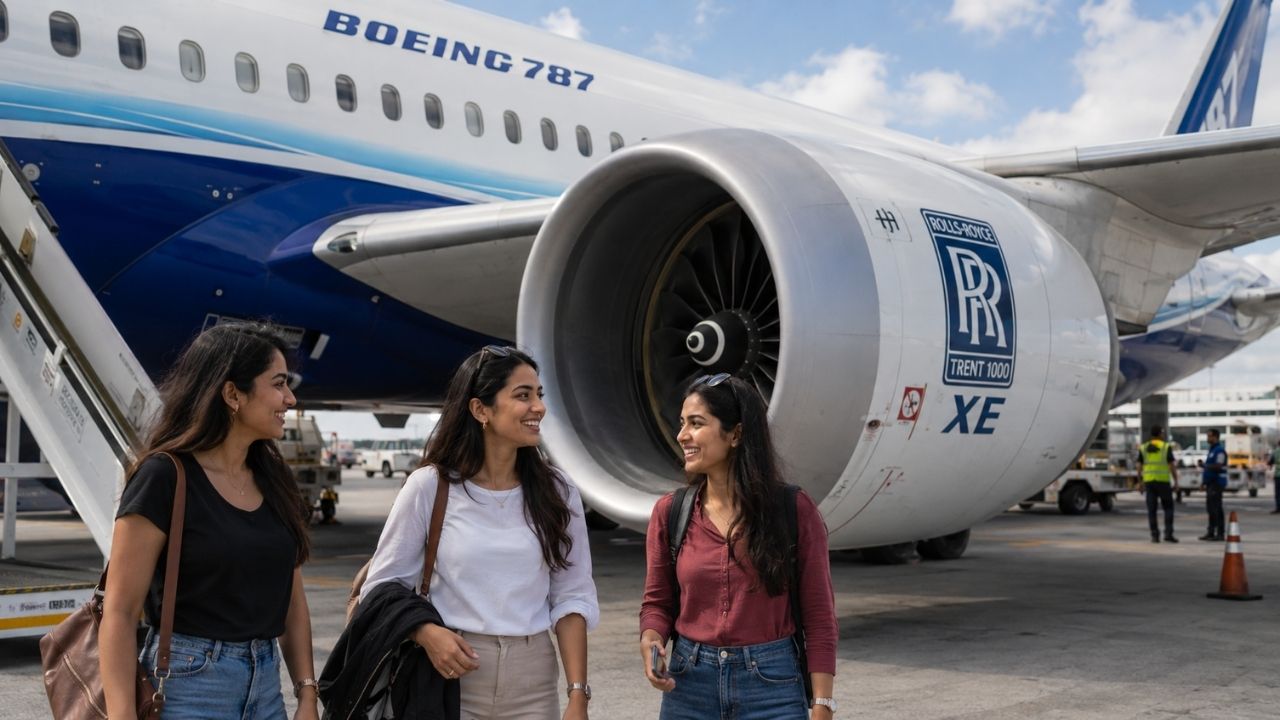
Image generated by AI
With a re-engineered high-pressure turbine blade that increases cooling airflow by 40%, the Rolls-Royce Trent 1000 XE aims to triple the engine life of Boeing 787 aircraft.
The widebody aviation sector is adopting advanced engineering standards to improve the reliability of international flight networks. Technical specifications confirm that the Rolls-Royce Trent 1000 XE upgrade package has been certified to address component wear on the Boeing 787 Dreamliner. By lowering core metal temperatures by 45°C, the re-designed turbine components slow material degradation, helping airlines prevent unscheduled maintenance groundings. This development represents a shift toward predictive maintenance designs, reducing flight cancellations and schedule changes for long-haul passengers.
Turbine Redesign: The High-Pressure Blade Upgrade
The high-pressure turbine blade is located in the hottest and most demanding section of the engine, where it is exposed to gases exiting the combustion chamber. This constant exposure to extreme heat and pressure can cause oxidation, thermal cracking, and material wear over time. To address these stresses, Rolls-Royce re-designed the blade's internal passages to improve airflow.
The re-engineered configuration increases cooling airflow across the blade surface by 40%, lowering core metal temperatures by 45°C. Lower temperatures reduce the rate of material wear, allowing the blades to remain in service longer. This upgrade forms the core of a durability package designed to improve the reliability of the Trent 1000 engine line.
Engine Longevity: Explaining Time on Wing Performance
Time on wing refers to the duration an engine remains installed and operational on an aircraft before being removed for inspection or repair. While it does not guarantee a specific interval between complete engine overhauls, longer wing time reduces the frequency of shop visits. The Trent 1000 XE is designed to deliver a typical time on wing of three to six years for standard widebody operations.
Actual wing duration depends on how and where an airline operates the aircraft. Factors such as flight distance, take-off thrust settings, and operations in hot or dusty environments can influence component wear. The target of a threefold improvement in time on wing over the previous Trent 1000 TEN standard serves as a performance benchmark for operators.
Operational Experience: The Trent 7000 Legacy on A330neo
The design updates introduced on the Trent 1000 XE are based on technology developed for other engine lines. Rolls-Royce previously introduced similar turbine blade designs on the Trent 7000, which powers the Airbus A330neo. These engines have accumulated more than two million flight hours in commercial service.
This operational experience provides data supporting the use of the technology on the Boeing 787. While the Trent 7000 and Trent 1000 operate on different airframes and route networks, the turbine blade performance indicates that the design can support longer intervals between maintenance. The company is using this data to support the certification of the new XE package.
Mitigating Past Disruptions: The Trent 1000 History
The Trent 1000 entered commercial service in 2011 on the first Boeing 787 delivered to All Nippon Airways. Over its operating history, early versions of the engine experienced durability issues, including turbine blade deterioration and compressor cracking. These issues required more frequent borescope inspections and premature engine removals.
These maintenance requirements created operational challenges for airlines, forcing them to adjust schedules, lease replacement aircraft, and keep spare engines in reserve. The financial impact was significant, as some Dreamliners remained grounded while waiting for repair slots. The XE upgrade aims to resolve these issues, restoring fleet availability.
Regulatory Mandates: EASA and FAA Safety Directives
Due to the deterioration issues, aviation regulators issued directives to manage engine safety. The European Union Aviation Safety Agency issued airworthiness directive 2025-0206, which required regular inspections of older turbine blades. EASA warned that undetected damage could lead to blade failure and in-flight shutdowns.
The US Federal Aviation Administration also established mandatory inspection rules for Rolls-Royce-powered Dreamliners. The current EASA directive distinguishes older turbine blades from the newer, upgraded components. Upgrading to the XE standard helps airlines comply with these safety rules while reducing the frequency of mandatory inspections.
Fleet Integration: Retrofitting the Durability Package
Rolls-Royce is implementing the XE enhancements on all future Trent-powered Boeing 787 deliveries. The company is also offering the durability package as a retrofit option for existing Trent 1000 TEN engines. This allows airlines to upgrade their existing fleets gradually during scheduled engine maintenance visits.
The manufacturer began installing upgraded parts prior to final certification to accelerate the rollout. Rolls-Royce aims to complete upgrades for the active Trent 1000 fleet within two years of the durability package's June 2025 launch. The pace of the retrofit program will depend on maintenance shop capacity and airline schedules.
Operational and Environmental Gains: Fuel Efficiency and TotalCare
Improving engine durability helps airlines manage operational costs and plan long-haul routes. Keeping engines in service longer reduces the need for spare engines and lowers maintenance requirements. Rolls-Royce provides these upgrades in coordination with its TotalCare service model, which link payments to engine operating hours.
Onboard the aircraft, the temperature reductions help maintain fuel efficiency over the engine's lifecycle, reducing carbon dioxide emissions. The Trent 1000 XE is part of a larger £1 billion durability improvement program that covers the Trent 7000, Trent XWB-84, and Trent XWB-97. The program aims to increase average time on wing across the Trent fleet by 80% by 2027.
Practical Travel Advice and Local Insider Tips
Travelers flying on Boeing 787 Dreamliners can prepare for their journeys with these recommendations:
- Book Mid-Week Night Flights: Choose departures on Tuesdays or Wednesdays after 9:00 PM. Lighter passenger loads provide a quieter cabin and allow cabin crew to offer more personalized service.
- Try British Pub Classics at Heathrow: Before boarding your Dreamliner at London Heathrow, visit a local pub to try a traditional steak and ale pie served with gravy and mashed potatoes.
- Observe Cabin Window Etiquette: The Dreamliner features advanced electronically dimmable windows. Keep your window dimmed during night flights to avoid disrupting sleeping passengers.
- 利用 Lower Altitude Pressurization: The Dreamliner cabin is pressurized to a lower altitude (6,000 feet) and maintains higher humidity. Take advantage of the quiet galley areas near the exit doors to stretch during the flight to reduce jet lag.
- Verify Aircraft Configuration Online: Check your airline's seat map before check-in. The Boeing 787 is used on long-haul routes where selecting a seat away from the galleys can help ensure a quieter flight.
Rolls-Royce Trent Durability Enhancement Program Matrix
| Engine Model | Aircraft Application | Key Technical Upgrade | Target Time on Wing | Durability Program Goal |
|---|---|---|---|---|
| Trent 1000 XE | Boeing 787 Dreamliner | Redesigned HP turbine blade | 3 to 6 years | Triple the engine life of Trent 1000 TEN |
| Trent 7000 | Airbus A330neo | Upgraded blade design | 3x previous interval | Over 2M flight hours completed |
| Trent XWB-84 | Airbus A350-900 | High-pressure turbine upgrade | Enhanced wing time | Part of £1B durability program |
| Trent XWB-97 | Airbus A350-1000 | Advanced hot-section parts | Expanded wing duration | 80% improvement target by 2027 |
Frequently Asked Questions
What is the primary upgrade in the Rolls-Royce Trent 1000 XE engine?
The Trent 1000 XE features a redesigned high-pressure turbine blade that increases cooling airflow by 40% and lowers core temperatures by 45°C.
How long can the Trent 1000 XE remain on wing before maintenance?
The XE durability package is designed to keep the engine installed and operational for typical widebody flights for three to six years.
Which other engine models are included in the durability program?
The £1 billion program covers the Trent 1000 (Boeing 787), Trent 7000 (Airbus A330neo), Trent XWB-84 (A350-900), and Trent XWB-97 (A350-1000).
When does Rolls-Royce plan to complete the Trent 1000 fleet upgrade?
Rolls-Royce aims to complete the fleet-wide upgrade within two years of the package's June 2025 launch, with targets running through 2027.
The Future of Aero-Engine Reliability
The development of the Trent 1000 XE shows the aviation industry's focus on engineering durability and fuel efficiency. By lowering turbine operating temperatures and utilizing technology tested on the Trent 7000, Rolls-Royce aims to provide a more reliable engine for the Boeing 787. Shorter maintenance queues and increased engine life help airlines maintain stable schedules on long-haul routes. As carriers complete these upgrades, the improvements in operational reliability will help ensure a more consistent travel experience for passengers.
By choosing airlines that invest in modern fleets and sustainable maintenance programs, travelers help support a more efficient global aviation network.
Related Travel Guides
Disclaimer
This article is for informational and educational purposes only. It does not constitute legal, financial, or professional advice. While we strive to provide accurate and up-to-date information, travel policies, regulations, and conditions change rapidly. Always verify information with official sources before making travel decisions. Nomad Lawyer makes no representations about the accuracy, reliability, completeness, or suitability of the information provided. Readers should consult qualified professionals for advice specific to their circumstances. The views expressed in this article are those of the author and do not necessarily reflect the views of Nomad Lawyer.
Raushan Kumar
Founder & Lead Developer
Full-stack developer with 11+ years of experience and a passionate traveller. Raushan built Nomad Lawyer from the ground up with a vision to create the best travel and law experience on the web.
Learn more about our team →