
Dubai Launches My Syria App To Transform Damascus Tourism With Digital Travel Experiences
Dubai Launches My Syria App To Transform Damascus Tourism With Digital Travel Experiences

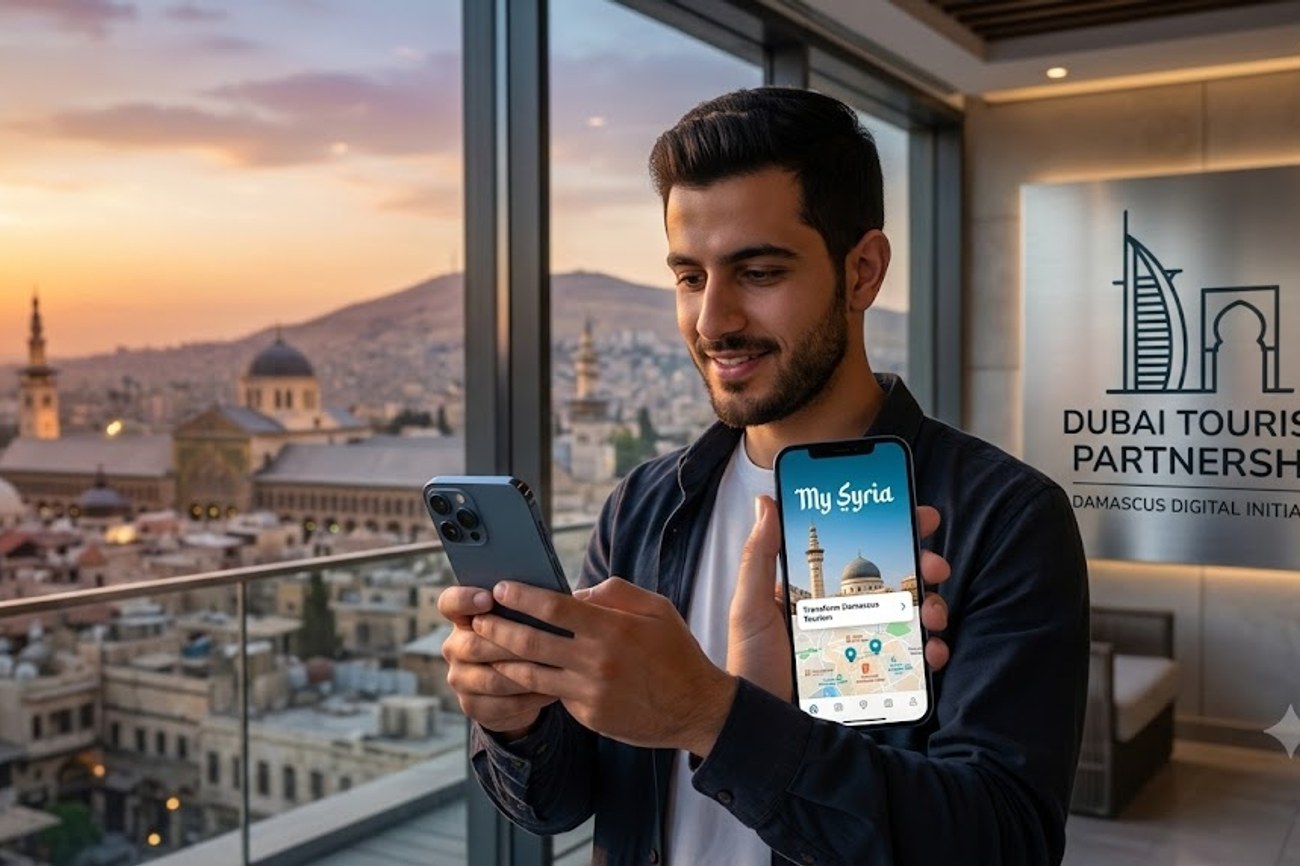
Image generated by AI
title: "Digital Recovery: Analyzing the Impact of the My Syria App on Levant Tourism" date: 2026-09-15 author: Travel Industry Trend Analyst tags: [Syria-Tourism-Recovery-2026, 121-Living-SuperApp, UAE-Syria-Connectivity, Levant-Digital-Transformation, Damascus-Heritage-Tourism]
Middle East travel technology adoption has accelerated by an estimated 40% since 2022, but the recent launch of the My Syria app marks a pivot from general utility to targeted destination revival. While regional hubs like Dubai have long utilized "super apps" to manage high-volume transit, the application of this technology to a recovering market like Syria suggests a strategic shift in how the UAE-based venture 121 Living intends to catalyze tourism in high-barrier destinations.
The Digitalization of Syrian Tourism in Numbers
The introduction of the My Syria app by 121 Living represents more than a simple directory; it is a structural attempt to digitize a fragmented tourism ecosystem. For a destination where international connectivity was previously limited, the transition to a single digital platform aims to reduce the friction of entry for international visitors.
The app targets five primary sectors of the Syrian tourism economy:
- Hospitality (Hotels and accommodation)
- Logistics (Local tour operators)
- Human Capital (Tourist guides)
- Gastronomy (Restaurants and hospitality services)
- Cultural Assets (Experience providers)
By integrating these five pillars, the platform attempts to solve the "information asymmetry" problem that often plagues recovering markets. According to data trends tracked by the World Travel & Tourism Council (WTTC), digital accessibility is now a primary driver for "confidence-based booking" in regions previously affected by instability. The My Syria app seeks to replace fragmented, word-of-mouth planning with a verified digital marketplace, effectively lowering the perceived risk for the modern traveler.
Comparative Context: The Levant vs. Regional Benchmarks
The deployment of a tourism super app in Syria is a mirror of the "Dubai Model"—the centralization of travel, lifestyle, and payment services into one interface. However, the application of this model in Damascus differs significantly from its use in established hubs. In Dubai, technology optimizes existing efficiency; in Syria, technology is being used to create efficiency where infrastructure has lapsed.
The return of direct airline services between Dubai and Damascus provides the physical layer of connectivity, while the My Syria app provides the digital layer. This dual-track recovery is a pattern we have seen in other emerging markets where UAE investment acts as a catalyst for regional stabilization.
| Metric | Pre-Digitalization Era (Est.) | My Syria App Era (2026 Projection) | Shift Analysis |
|---|---|---|---|
| Booking Channel | Manual/Agent-based | Integrated Digital Platform | Shift to Direct-to-Consumer |
| Vendor Visibility | High-tier hotels only | Inclusive of small local guides | Democratization of Tourism Revenue |
| Planning Cycle | High friction (Multiple sources) | Low friction (Single App) | Reduced Time-to-Booking |
| Connectivity | Limited/Indirect flights | Restored Dubai-Damascus links | Increased Passenger Volume |
| Market Reach | Regional/Niche | Global/Digital-first | Expansion of Visitor Demographics |
When compared to the broader regional trends reported by IATA, the restoration of air links between the UAE and Syria is a critical lead indicator. Digital tools are ineffective without physical access; conversely, physical access without digital tools leads to under-utilization of local assets. The synchronization of the My Syria app with restored flight paths suggests a coordinated effort to scale the Syrian tourism sector.
What This Means for Travelers
For the individual traveler, the launch of this platform changes the risk-reward calculus of visiting Syria. Historically, Damascus and other heritage sites required extensive third-party vetting and expensive agency packages. The shift toward a digital marketplace introduces a level of transparency in pricing and service availability.
Actionable Booking Advice:
- For Q4 2026 Planning: Travelers should move away from traditional "closed-loop" tour packages and begin utilizing the My Syria app to source local guides and boutique accommodations. This allows for a more personalized itinerary and typically reduces costs by removing agency commissions.
- Verification Strategy: Use the app to identify "Cultural Experience Providers" in Damascus. Because the app integrates local businesses, you can now verify the existence of smaller operators who were previously invisible to international search engines.
- Logistics Timing: With the restoration of Dubai-Damascus flights, the UAE is now the primary transit hub for Syria. Booking flights into Dubai with a 24-48 hour layover allows travelers to synchronize their digital itinerary via the app before entering Syria.
Forward Projection: The Path to Full Recovery
Based on current trajectory, the My Syria app is the first phase of a broader digital transformation. We expect to see the integration of digital payment gateways within the app by 2027, further reducing the reliance on cash—a major pain point for international tourists in the region.
The success of this initiative will be measured by the "Length of Stay" (LOS) metric. Currently, most visitors to Syria are short-term or purpose-driven. By packaging "destination storytelling" and authentic local interactions within the app, 121 Living is betting that they can increase the average LOS from a few days to two weeks. If the app can successfully bridge the gap between Damascus's ancient ruins and the modern traveler's expectations, Syria could see a year-over-year increase in heritage tourism arrivals that rivals the recovery rates seen in other post-conflict zones.
However, the data suggests a ceiling. Digital tools cannot override the need for physical infrastructure. Until hotel capacity and international security confidence reach a critical mass, the app will serve as a tool for "early adopters" rather than the mass market. We anticipate a gradual climb in visitor numbers, closely trailing the expansion of flight frequencies from the UAE.
FAQ: Syria Digital Tourism 2026
Will the My Syria app lower the cost of visiting Damascus? Yes. By connecting travelers directly with local guides, restaurants, and hotels, the app removes the "middleman" fees associated with traditional travel agencies, allowing for more competitive, local-market pricing.
Is it now a good time to book a trip to Syria? For those seeking heritage and cultural tourism, the combination of restored Dubai-Damascus flights and the new digital planning tool makes this the most accessible window in years. However, check current travel advisories.
Which airlines are expanding on the Dubai-Damascus route? The return of services between these two hubs is the primary driver. Travelers should monitor UAE-based carriers and regional operators for increased flight frequencies and updated schedules.
Can I book everything through the app? The app is designed as a "super app" to integrate bookings for hotels, guides, and experiences. While it streamlines the process, travelers should still verify visa requirements through official government channels.
The digitalization of the Levant is no longer a theoretical goal—it is a deployed strategy.
Related Travel Guides
Disclaimer
This article is for informational and educational purposes only. It does not constitute legal, financial, or professional advice. While we strive to provide accurate and up-to-date information, travel policies, regulations, and conditions change rapidly. Always verify information with official sources before making travel decisions. Nomad Lawyer makes no representations about the accuracy, reliability, completeness, or suitability of the information provided. Readers should consult qualified professionals for advice specific to their circumstances. The views expressed in this article are those of the author and do not necessarily reflect the views of Nomad Lawyer.
Naina Thakur
Contributor & Travel Specialist
Travel enthusiast and legal writer covering visa regulations, responsible tourism, and cultural journeys across global destinations.
Learn more about our team →