
SNUUG Launches Swiss SupernatureHotel Model for Eco-Friendly Luxury Hospitality in 2026
Swiss hospitality firm SNUUG introduces the SupernatureHotel concept, merging high-end luxury suites with sustainable, nature-centric tourism to launch in 2026.

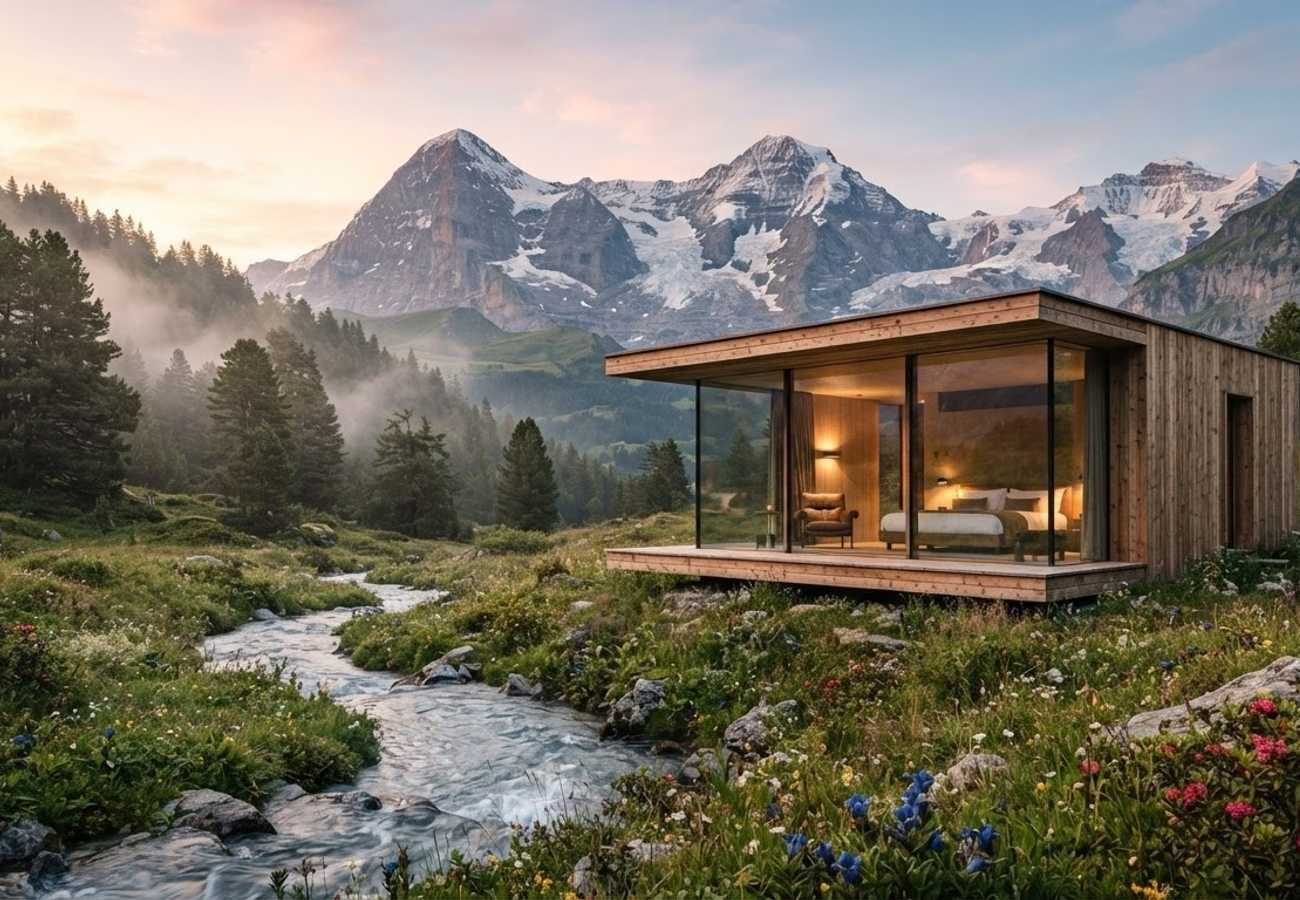
Image generated by AI
Luxury travel is shifting from gold-plated amenities to environmental harmony. SNUUG is pioneering this transition with a "SupernatureHotel" model that replaces traditional hotel blocks with flexible, high-end units embedded in the Swiss wilderness.
The Swiss hospitality sector is witnessing a strategic pivot toward "slow travel" with the introduction of SNUUG. Founded by Philippe Ossona de Mendez, the firm is preparing to launch its SupernatureHotel concept in 2026. This model rejects the sprawling footprint of traditional resorts in favor of a lean, eco-conscious approach that integrates luxury accommodation directly into natural environments.
To facilitate this rollout, SNUUG has collaborated with Influence Society to develop a dedicated digital platform. This technology serves as the primary infrastructure for managing partnerships and providing a gateway for travelers to book these unconventional stays.
Redefining the Guest Experience Through Local Guardianship
Unlike conventional hotel chains, the SupernatureHotel does not rely on centralized corporate management at each site. Instead, the model utilizes flexible accommodation units placed in curated natural settings.
The operational core of this strategy is the "guardian angel" system. SNUUG partners with local stakeholders—including wine producers, farmers, and landowners—who serve as hosts. This creates a symbiotic relationship where:
- Guests gain authentic access to regional traditions and local knowledge.
- Landowners monetize their property without the need for permanent, destructive construction.
- Local Economies benefit from direct spending that bypasses traditional tourism hubs.
Engineering Sustainability into Luxury Design
The SupernatureHotel suites are designed and manufactured within Switzerland, prioritizing a circular economy and minimal ecological disruption. The architectural philosophy centers on "responsible luxury," where the quality of the stay is defined by the purity of the environment rather than excess.
Key sustainability features integrated into the units include:
- Material Sourcing: Extensive use of solid Swiss wood and other locally sourced, sustainable elements.
- Resource Management: Implementation of advanced water management systems and renewable energy solutions.
- Waste Mitigation: Integrated eco-friendly amenities and waste treatment measures to ensure a near-zero footprint.
- Site Selection: A rigorous evaluation process to protect biodiversity and ensure that temporary installations do not cause long-term environmental degradation.
Meeting the Demand for Nature-Centric Wellness
The rise of SNUUG comes as a direct response to a global shift in traveler psychology. Modern high-net-worth travelers are increasingly avoiding overcrowded urban centers in favor of wellness-driven, outdoor experiences.
By blending state-of-the-art interior design with raw natural landscapes, SNUUG targets the intersection of comfort and consciousness. The company further extends its environmental commitment by promoting low-carbon mobility, including partnerships with public transport providers and the promotion of e-bikes for guest transit.
Impact on the Swiss Hospitality Landscape
The launch of the SupernatureHotel in 2026 signals a broader industry trend where sustainability is no longer an "add-on" but the primary product. SNUUG's focus on artisanal production and regional collaboration challenges the traditional luxury hotel model to reduce its ecological footprint while maintaining premium service standards.
As the industry moves toward 2026, the success of this model will likely influence how other luxury brands approach destination management, shifting the focus from building massive infrastructure to creating light, temporary, and high-impact experiences.
Strategic Overview of the SupernatureHotel Model
| Feature | Traditional Luxury Hotel | SNUUG SupernatureHotel |
|---|---|---|
| Infrastructure | Permanent, large-scale buildings | Flexible, temporary accommodation units |
| Environmental Impact | High land use and resource consumption | Minimal footprint with renewable energy |
| Local Integration | Corporate staffing and services | "Guardian Angel" local host partnerships |
| Primary Material | Global supply chain materials | Locally sourced Swiss wood |
| Guest Focus | Standardized luxury amenities | Authentic, nature-centric wellness |
| Mobility | Private vehicle reliance | E-bikes and public transport integration |
Key Takeaways
- Launch Date: The SupernatureHotel model is set to welcome its first guests in 2026.
- Core Philosophy: Combining Swiss architectural precision with a "light-touch" approach to nature.
- Local Empowerment: Using landowners and farmers as "guardian angels" to provide authentic guest experiences.
- Tech Integration: A new digital platform developed with Influence Society manages the ecosystem.
- Sustainability: Focus on solid Swiss wood, renewable energy, and low-carbon transport.
Frequently Asked Questions
What is a "Guardian Angel" in the SNUUG model? Guardian angels are local partners, such as farmers or wine producers, who host the accommodation units on their land and provide guests with authentic insights into the local culture and region.
How does SNUUG ensure the environment isn't harmed? The company uses temporary, flexible units designed with sustainable Swiss materials and employs a strict site-selection process to protect biodiversity and minimize long-term ecological effects.
When can travelers begin booking these stays? The project is scheduled for a 2026 launch, with a digital platform already serving as the gateway for interested travelers to explore future destinations.
The future of luxury isn't found in more gold, but in more green.
Related Travel Guides
Disclaimer
This article is for informational and educational purposes only. It does not constitute legal, financial, or professional advice. While we strive to provide accurate and up-to-date information, travel policies, regulations, and conditions change rapidly. Always verify information with official sources before making travel decisions. Nomad Lawyer makes no representations about the accuracy, reliability, completeness, or suitability of the information provided. Readers should consult qualified professionals for advice specific to their circumstances. The views expressed in this article are those of the author and do not necessarily reflect the views of Nomad Lawyer.
Preeti Gunjan
Contributor & Community Manager
A passionate traveller and community builder. Preeti helps grow the Nomad Lawyer community, fostering engagement and bringing the reader experience to life.
Learn more about our team →