
Riyadh Air Launches Kuala Lumpur Route to Expand Saudi Arabia Global Aviation Hub in 2026
Riyadh Air has launched new flights to Kuala Lumpur, Malaysia, utilizing Boeing 787-9 Dreamliners to strengthen Southeast Asian connectivity and support Saudi Arabia's Vision 2030 tourism goals.

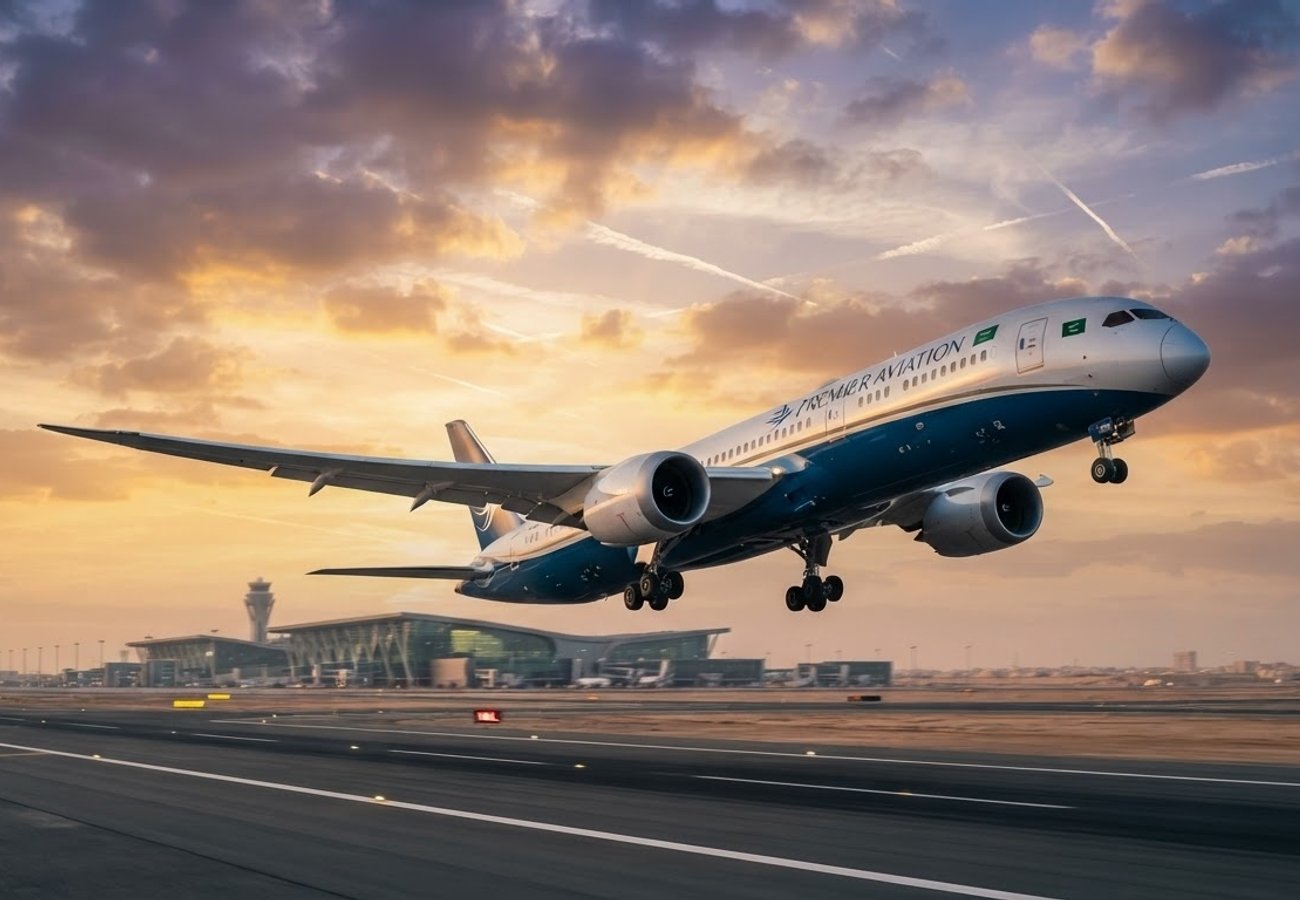
Image generated by AI
Riyadh Air has officially expanded its long-haul network to Kuala Lumpur, Malaysia, establishing a critical bridge between Southeast Asia and the Middle East to drive business, leisure, and religious tourism.
The new service, which commenced operations on 30 July 2026, is a primary component of Saudi Arabia’s strategy to transform Riyadh into a premier global aviation hub. By integrating Malaysia—a high-demand market for both outbound Saudi leisure travel and inbound religious pilgrimage—Riyadh Air is accelerating its progress toward the goals outlined in the Kingdom's Vision 2030.
Strategic Network Expansion
The Riyadh–Kuala Lumpur connection serves as more than a point-to-point route; it is a strategic gateway. The airline is leveraging strong bilateral demand driven by Hajj and Umrah movements, alongside an increasing appetite for luxury and nature-based tourism among Saudi nationals visiting Malaysia.
From a logistical standpoint, the route allows Riyadh Air to capture a significant share of the Southeast Asian market, positioning the Saudi capital as a viable alternative to existing Gulf transit hubs. Unlike traditional carriers that rely almost exclusively on connecting traffic, Riyadh Air benefits from a substantial domestic passenger base and the city's rising status as a global business center.
Operational Specifications
The airline is deploying high-efficiency, long-range aircraft to maintain the viability of this route.
- Launch Date: 30 July 2026
- Frequency: Three times weekly
- Aircraft Model: Boeing 787-9 Dreamliner
- Primary Objectives: Business travel, leisure tourism, and Pilgrimage (Hajj/Umrah)
Fleet Composition and Global Reach
To meet its goal of connecting Riyadh to over 100 destinations by 2030, Riyadh Air is diversifying its fleet to balance regional efficiency with long-haul capacity.
| Aircraft Model | Primary Use Case |
|---|---|
| Boeing 787-9 Dreamliner | Long-haul international expansion (including Kuala Lumpur) |
| Airbus A321neo | Short-to-medium haul regional routes |
| Airbus A350-1000 | High-capacity, ultra-long-haul international services |
The carrier has already established a footprint in several key global markets, including Dubai, Cairo, Madrid, Manchester, Malaga, Mumbai, Dhaka, Islamabad, and Lahore. The airline's initial international entry point was London, and it is currently planning further Asian expansions into Bangkok and Manila.
Why This Matters: Industry Analysis
For travelers and industry analysts, the launch of the Kuala Lumpur route signals a shift in the competitive dynamics of Middle Eastern aviation. Historically, the region's "Big Three" hubs have dominated transit. Riyadh Air is not just competing on slots; it is leveraging the domestic economic surge of Riyadh to create a "destination hub" rather than a mere "transit hub."
For the Southeast Asian market, this provides a direct, high-capacity link to the Middle East, reducing reliance on traditional stopovers. From a corporate perspective, the improved connectivity is expected to facilitate increased foreign direct investment (FDI) and bilateral trade between Malaysia and Saudi Arabia. The use of the Boeing 787-9 is a calculated move to ensure fuel efficiency and passenger comfort on a route that is essential for capturing the high-yield business and religious travel segments.
Forward Outlook
Market trends suggest that Kuala Lumpur will likely evolve into a secondary regional hub for Riyadh Air, potentially feeding traffic from other Southeast Asian cities into the Saudi network. As more Airbus A350-1000s enter the fleet, we expect an increase in flight frequencies and the potential introduction of more direct links to the Asia-Pacific region. The success of this route will be a key indicator of whether Riyadh can successfully challenge the established aviation hegemony in the Gulf.
Riyadh's ascent as a global gateway is no longer a projection, but an operational reality.
Related Travel Guides
Disclaimer
This article is for informational and educational purposes only. It does not constitute legal, financial, or professional advice. While we strive to provide accurate and up-to-date information, travel policies, regulations, and conditions change rapidly. Always verify information with official sources before making travel decisions. Nomad Lawyer makes no representations about the accuracy, reliability, completeness, or suitability of the information provided. Readers should consult qualified professionals for advice specific to their circumstances. The views expressed in this article are those of the author and do not necessarily reflect the views of Nomad Lawyer.
Raushan Kumar
Founder & Lead Developer
Full-stack developer with 11+ years of experience and a passionate traveller. Raushan built Nomad Lawyer from the ground up with a vision to create the best travel and law experience on the web.
Learn more about our team →