Southern California and Southwest US Face Flash Flood Risks During Halloween 2026

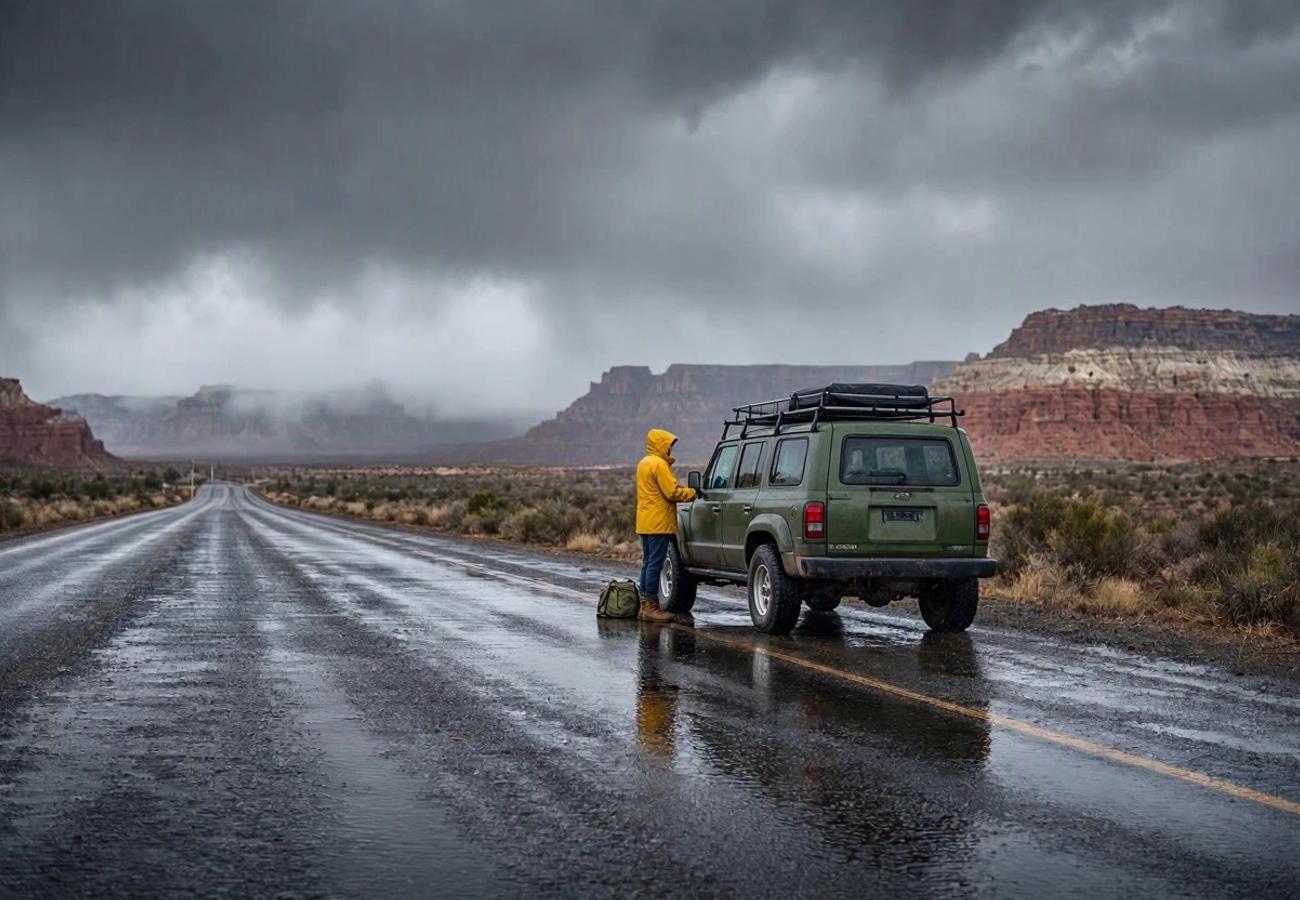
Image generated by AI
The "Pineapple Express" is not a tropical vacation—it is a massive corridor of moisture that can dump inches of rain in hours, turning dry desert washes into raging rivers. While the name sounds benign, this atmospheric river is currently pulling wet tropical air from near Hawaii toward the American West Coast, threatening to disrupt Halloween 2026 plans across five states.
The Atmospheric River Shift in the Southwest
The current weather pattern is a classic atmospheric river event. When this moisture plume originates near Hawaii and slams into the California coast, it creates a high-intensity rainfall event. The critical variable for travelers right now is the timing of two separate Pacific storm systems; if they merge early, the volume of water hitting the coast will increase significantly, extending the duration of the storms from Saturday into Sunday.
In Southern California, the impact varies by geography. While urban centers like Los Angeles and San Diego might see less than one inch of rain if the system moves quickly, the south- and west-facing mountain slopes are expected to take a harder hit, with totals between 1 and 3 inches. This creates a volatile environment for anyone planning outdoor Halloween festivities or mountain treks.
Regional Danger Zones and Water Risks
The risk profile changes drastically as you move inland. Arizona is currently the highest-risk zone, with a Level 2 out of 4 risk for excessive rainfall. In the lower deserts, including Maricopa, Gila, and Pinal counties, 1 to 2 inches of rain can be catastrophic. Because desert soil is often hydrophobic—acting more like concrete than a sponge—water does not soak in; it flashes across the surface.
Further north and east, the Four Corners region (the intersection of Arizona, Utah, New Mexico, and Colorado) faces widespread flooding from Sunday into early Monday. South-western Colorado, particularly around the San Juan Mountains, is bracing for over 2.5 inches of rain, which may transition into snow at higher elevations.
Regional Rainfall and Risk Matrix
| Region | Expected Timing | Rain Outlook | Primary Danger |
|---|---|---|---|
| Southern California | Sat - Sun | < 1" (Cities) / 1-3" (Mountains) | Debris flows, coastal flooding, slick roads |
| Central/South Arizona | Fri & Sun | 1-2" in lower deserts | Rapid urban flooding, desert wash surges |
| SW Colorado | Sun - Mon | > 2.5" near San Juan Mtns | Rising rivers, mudslides, high-altitude snow |
| Southern Utah | Weekend-long | Variable/Local heavy bursts | Slot canyon flash floods |
| Hawaii (Oahu/Maui) | Pre-weekend | 0.5-2" (Already occurring) | Landslides, overflowing streams |
| New Mexico | Sun - Mon | Variable (Wet soil) | Arroyo and stream flooding |
Visitor Insider Tips
If you are traveling through the Southwest this weekend, standard weather apps are not enough. You need to understand the specific geography of the region to stay safe.
- Avoid the "Slot" Canyons: In Southern Utah, flash floods can occur in a canyon even if the sky directly above you is clear. The rain that triggers the flood often falls miles away in a different drainage basin. If a flash flood watch is active, stay out of narrow valleys.
- Burn Scar Vigilance: In California and Arizona, avoid areas recently impacted by wildfires. These "burn scars" are prone to debris flows—mixtures of ash, boulders, and mud that move faster than a human can run.
- Desert Driving Etiquette: Never attempt to drive through a flowing wash or underpass in Arizona or Nevada, regardless of how shallow the water looks. Desert currents are deceptively strong and can sweep a vehicle off the road in seconds.
- Coastal Timing: If you are in San Diego or Los Angeles, check the tide charts via the National Oceanic and Atmospheric Administration (NOAA). High tides combined with storm surges can lead to sudden coastal flooding on low-lying beach roads.
- Flight Monitoring: Heavy rain in the mountains often leads to visibility issues and wind shear. Monitor your flight status through the Federal Aviation Administration (FAA) or your airline's app to avoid being stranded at the terminal.
Cultural and Environmental Context
The intersection of tourism and environmental instability is particularly acute in the Southwest. The region's "dry" identity attracts millions of hikers and outdoor enthusiasts who may not be trained in monsoon or atmospheric river safety. This creates a recurring burden on local search and rescue teams during extreme weather events.
Furthermore, the phenomenon of debris flows highlights the lasting impact of the region's wildfire cycles. When vegetation is stripped by fire, the land loses its structural integrity. The resulting mudslides do not just threaten homes; they permanently alter the local topography and destroy critical habitats. For travelers, this serves as a reminder that the "wild" in the American West is increasingly volatile, requiring a shift from passive sightseeing to active risk management.
FAQ: Visiting the Southwest Halloween 2026
What is the best way to track flash flood warnings? Use the NOAA Weather Radio or download a reliable weather app with push notifications for your specific GPS coordinates. In remote areas of Utah and Arizona, local ranger stations provide the most accurate trail-specific warnings.
Is it safe to hike in the mountains this weekend? It is discouraged in areas with burn scars or narrow canyons. In Colorado and New Mexico, be prepared for a rapid transition from rain to snow at high elevations, which can make trails impassable.
How do I get from Phoenix to Las Vegas safely during this storm? Check road conditions via the state Department of Transportation (DOT) websites. Be cautious of low-lying desert roads that may be closed due to sudden flooding, and allow extra travel time for slick pavement.
Do I need special gear for this weather? Yes. Waterproof boots and high-quality rain shells are essential. If hiking, avoid wearing cotton, as the combination of rain and dropping temperatures in the mountains can lead to hypothermia.
Stay alert, respect the desert's power, and keep your Halloween celebrations on high ground.
Related Travel Guides
This article is for informational purposes. Flight routes, passenger regulations, visa rules, and transit advisories are subject to change by airlines and aviation authorities. Readers are advised to verify schedules and travel documentation with relevant carriers and border agencies before departure.
Related Stories

Aeroméxico and Delta Expand US Network with 42 Weekly Flights to California, Florida and Oregon in 2027
Asia Aviation Crisis 2026: 2,010 Delays and 320 Cancellations Hit Mumbai, Jakarta, and Delhi