
Top Remote Beach Destinations for Adventure Travelers in 2026: Mexico, New Zealand, and Greece
Explore the world's most secluded coastal escapes, from Mexico's hidden volcanic shores to Greece's cliff-bound coves, where strict conservation and difficult access preserve pristine nature.

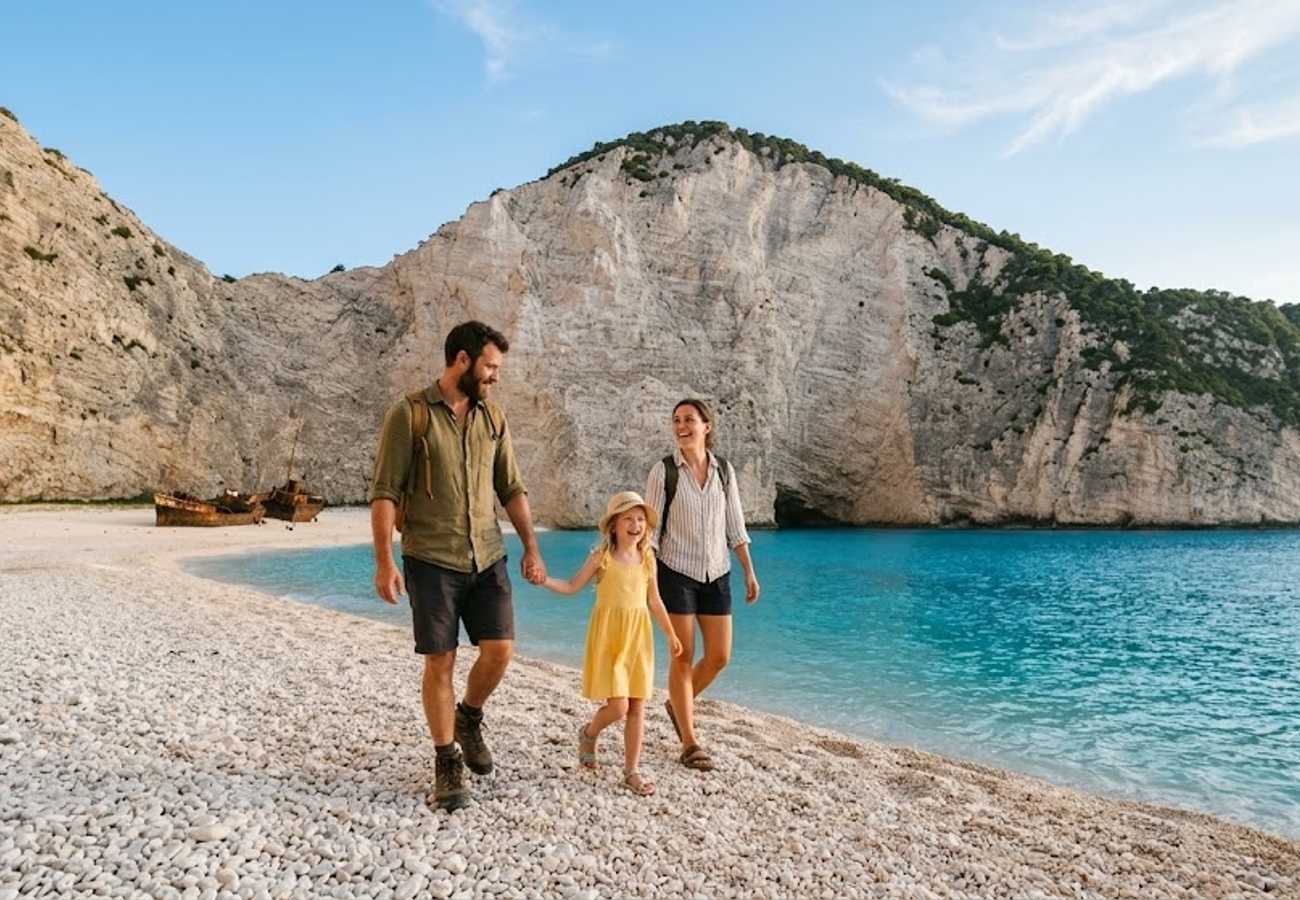
Image generated by AI
The world's most pristine coastlines are no longer found by accident; they are protected by geography. For the modern adventure traveler, the true luxury of 2026 is isolation, found in destinations where physical barriers—cliffs, volcanic tunnels, and strict government quotas—keep mass tourism at bay.
From the iron-rich sands of Hawaii to the silica shores of Australia, these destinations offer a stark contrast to developed resorts. However, accessing these "hidden" gems requires more than just a plane ticket; it demands preparation for challenging terrain and a commitment to conservation-first travel.
High-Barrier Coastal Destinations and Access Requirements
The beaches listed below are categorized by their "natural defense" systems. Whether it is a collapsed volcanic ceiling or a hand-carved tunnel, the difficulty of arrival is exactly what preserves the ecological integrity of the site.
Volcanic and Geological Wonders
- Kaihalulu Red Sand Beach (Maui, Hawaii): Located on the eastern coast near Hana, this beach is defined by volcanic erosion. Iron-rich rocks from a nearby cinder cone create a striking red shoreline. Access is restricted to an unofficial cliffside trail known for unstable ground and erosion.
- Playa Escondida (Marietas Islands, Mexico): Also known as "Hidden Beach," this site is a natural amphitheater formed by a collapsed volcanic crater. Visitors must enter via a narrow sea tunnel by swimming or kayaking. Because it is a protected marine reserve, access is limited to authorized tours.
- Tunnel Beach (Dunedin, New Zealand): This destination features a unique hand-carved sandstone tunnel through cliffs. Travelers must navigate a descent across open land, with timing strictly tied to low tide to avoid being cut off by the ocean.
Cliff-Bound and Island Escapes
- Navagio Beach (Zakynthos, Greece): Famous for its towering white limestone cliffs and a twentieth-century shipwreck, this beach has no road access. It is reachable only by boat, though the high cliffs provide a popular alternative viewing point.
- Praia do Sancho (Fernando de Noronha, Brazil): Located within a protected archipelago, this beach requires environmental fees and pre-planned permits. The final approach involves a steep descent through narrow cliff passages.
- Anse Source d’Argent (Seychelles): Found on La Digue island, this beach is characterized by massive granite boulders and pink-toned sand. Access is slow and sustainable, requiring a ferry to the island followed by bicycle or foot travel.
Conservation-Led Recovery Zones
- Maya Bay (Koh Phi Phi Leh, Thailand): Once devastated by over-tourism, Maya Bay is now a model for recovery. The government has implemented strict visitor controls, designated arrival procedures, and swimming bans to allow the coral ecosystem to regenerate.
- Whitehaven Beach (Australia): Located in the Whitsunday Islands, this uninhabited stretch of silica sand is accessible only by seaplane, helicopter, or boat. The Hill Inlet remains a primary attraction due to its shifting tidal patterns.
- Cayo Levisa (Cuba): A secluded Caribbean alternative, this island is separated from the mainland by a boat journey. It offers minimal infrastructure, prioritizing raw nature over tourist amenities.
Essential Logistics for Remote Coastal Travel
Visiting these sites in 2026 requires a shift in mindset from "vacationing" to "expeditioning." Because these areas lack traditional infrastructure, travelers must prioritize self-sufficiency.
Critical Preparation Checklist:
- Tide Monitoring: For destinations like Tunnel Beach and Playa Escondida, high tide can render the beach inaccessible or dangerous.
- Footwear: Proper hiking boots are mandatory for the unstable trails of Kaihalulu and the cliff descents of Praia do Sancho.
- Permits and Fees: Many of these sites (notably in Brazil and Thailand) require advance booking or environmental taxes.
- Environmental Ethics: "Leave No Trace" principles are strictly enforced in marine reserves to prevent the degradation seen in previous decades.
Remote Beach Accessibility Overview
| Destination | Primary Access Method | Key Physical Barrier | Conservation Status |
|---|---|---|---|
| Kaihalulu Red Sand Beach | Unofficial Trail | Volcanic Cliffs/Erosion | Natural |
| Playa Escondida | Boat $\rightarrow$ Swim/Kayak | Volcanic Tunnel | Protected Marine Reserve |
| Navagio Beach | Boat | Limestone Cliffs | Natural |
| Maya Bay | Managed Boat | Limestone Cliffs | Government Controlled |
| Tunnel Beach | Foot $\rightarrow$ Sandstone Tunnel | Cliffs/Tide Levels | Natural |
| Praia do Sancho | Foot (Steep Descent) | Narrow Cliff Passages | Protected Archipelago |
| Whitehaven Beach | Seaplane/Boat/Heli | Uninhabited Island | Natural |
| Anse Source d’Argent | Ferry $\rightarrow$ Bicycle/Foot | Island Geography | Natural |
| Cayo Levisa | Boat | Island Separation | Low Development |
Key Takeaways for Adventure Travelers
- Isolation as Preservation: The most beautiful beaches in 2026 are those that are hardest to reach; physical barriers are the primary reason these sites remain unspoiled.
- Shift Toward Regulation: Destinations like Maya Bay prove that government-mandated closures and quotas are the only effective way to save coral ecosystems from mass tourism.
- Logistical Rigor: Visiting these sites requires flexible planning, as weather, tides, and local regulations can change access windows instantly.
Frequently Asked Questions
Do I need a guide to visit Playa Escondida in Mexico? Yes. Because the Marietas Islands are a protected marine reserve, visitors must typically join authorized tours to access the beach.
Is Navagio Beach in Greece open to the public? While the beach is accessible by boat, road access is non-existent. Visitors are encouraged to visit during the off-season or early morning to avoid the summer crowds.
What makes Whitehaven Beach different from other white sand beaches? Its sand is composed of nearly pure silica, giving it a brilliant white color and a fine texture that does not retain heat, unlike traditional quartz sand.
The reward for the challenging journey is the rare silence of a world untouched.
Related Travel Guides
Disclaimer
This article is for informational and educational purposes only. It does not constitute legal, financial, or professional advice. While we strive to provide accurate and up-to-date information, travel policies, regulations, and conditions change rapidly. Always verify information with official sources before making travel decisions. Nomad Lawyer makes no representations about the accuracy, reliability, completeness, or suitability of the information provided. Readers should consult qualified professionals for advice specific to their circumstances. The views expressed in this article are those of the author and do not necessarily reflect the views of Nomad Lawyer.
Kunal K Choudhary
Co-Founder & Contributor
A passionate traveller and tech enthusiast. Kunal contributes to the vision and growth of Nomad Lawyer, bringing fresh perspectives and driving the community forward.
Learn more about our team →