Qatar Follows Saudi Arabia And More GCC Countries In Supporting UAE Grand Tour Initiative For A Bigger Tourism Economy Boom

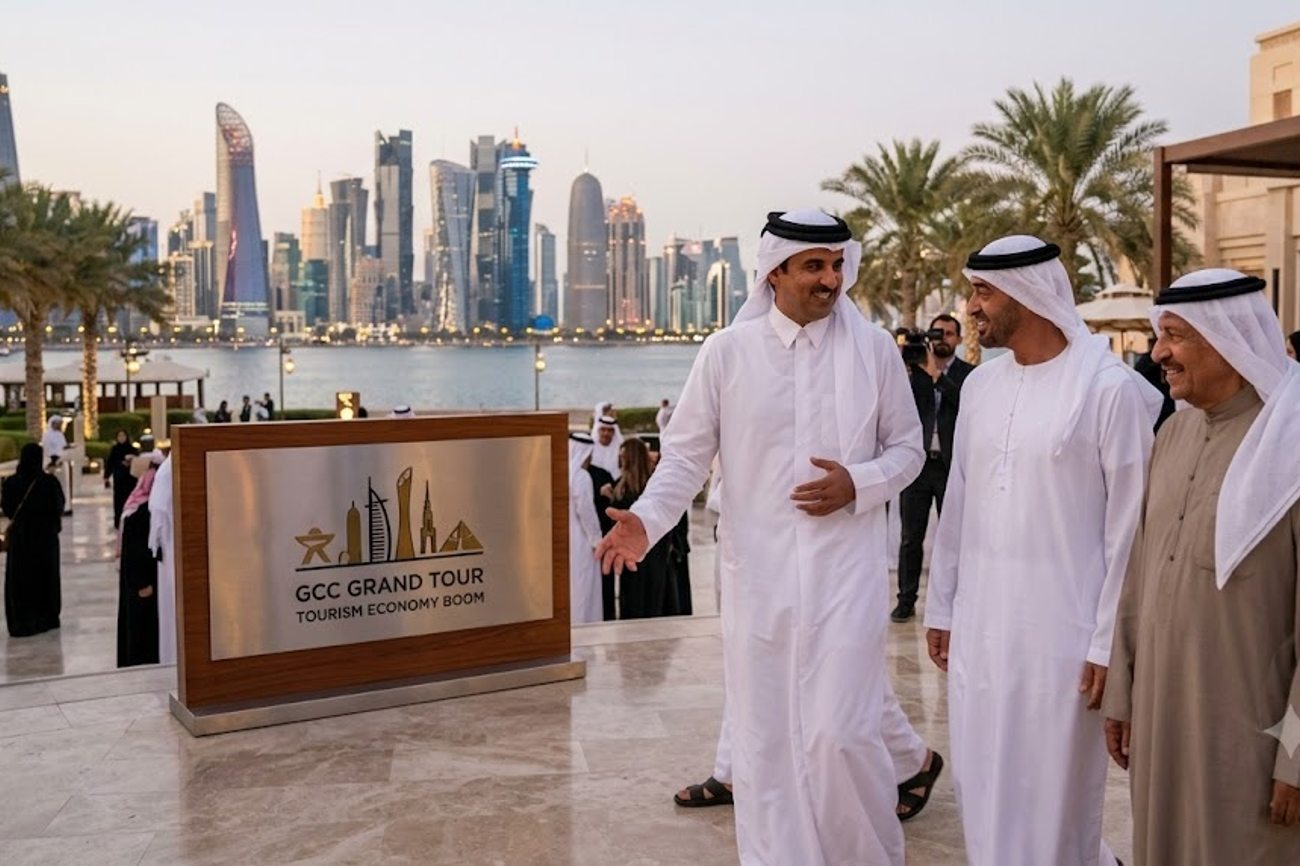
Image generated by AI
[Abu Dhabi, October 2023] — The United Arab Emirates is aggressively pivoting its national tourism strategy from city-centric visits to a comprehensive nationwide experience via the UAE Grand Tour initiative. This strategic shift aims to decentralize tourism away from the traditional hubs of Dubai and Abu Dhabi, pushing visitors toward all seven emirates to stimulate regional economic growth and diversify the hospitality sector.
The initiative is receiving significant structural support from the Gulf Cooperation Council (GCC), with Qatar, Saudi Arabia, Oman, Kuwait, and Bahrain acting as primary catalysts for this expansion. By integrating the diverse offerings of the seven emirates—including the mountains of Ras Al Khaimah and the coastlines of Fujairah—the UAE is attempting to transform the visitor journey into a multi-destination circuit. This regional cooperation is designed to increase the average length of stay and elevate total visitor expenditure across the federation.
The Catalyst for National Tourism Integration
The immediate trigger for the UAE Grand Tour is a strategic mandate to distribute tourism revenue more equitably across the seven emirates. Historically, international and regional arrivals concentrated heavily in Dubai and Abu Dhabi, leaving the northern emirates underutilized. The Grand Tour solves this by rebranding the UAE not as a collection of cities, but as a singular, diverse destination.
The project leverages the existing infrastructure of the Gulf Cooperation Council (GCC) to create a seamless regional travel ecosystem. By aligning with the tourism goals of neighboring states, the UAE is tapping into a high-spending demographic that prioritizes luxury, family-oriented travel, and short-break leisure. The initiative focuses on several key pillars:
- Nature and Adventure: Utilizing the rugged terrains of Ras Al Khaimah and the marine environments of Fujairah.
- Cultural Heritage: Expanding the reach of Sharjah’s museums and Abu Dhabi’s landmarks.
- Luxury Hospitality: Integrating premium resorts across all emirates to attract high-net-worth individuals from Kuwait and Qatar.
- Seasonal Demand: Maximizing the winter tourism window when cooler temperatures drive GCC road and air travel.
Regional Market Impact and Visitor Profiles
The success of the Grand Tour depends on the specific travel behaviors of neighboring GCC nations. Each contributing country provides a distinct economic driver for the UAE's expanded tourism model.
| Contributing Country | Primary Tourism Driver | Key Impact Area |
|---|---|---|
| Saudi Arabia | Mass market leisure & family demand | High-volume visitor movement into diversified emirates |
| Qatar | Premium luxury & short-break travel | Increased spending in high-end hospitality and fine dining |
| Oman | Cross-border road tourism | Growth in northern emirate hotel and restaurant demand |
| Kuwait | High-value luxury spending | Premium retail and exclusive resort occupancy |
| Bahrain | Weekend and festival-based trips | Consistent visitor flows during public holidays |
Saudi Arabia remains the most influential market due to its population size and robust transport links. Saudi travelers are increasingly moving beyond Dubai to explore Abu Dhabi’s cultural sites and the outdoor adventure hubs of Ras Al Khaimah. Simultaneously, Oman is driving a surge in "road tourism," where visitors utilize land borders to access the northern emirates, directly benefiting local businesses and smaller hospitality operators outside the major metropolitan areas.
Practical Traveler Advisory and Strategic Insights
For the modern traveler, the UAE Grand Tour represents a shift in how trips to the region are packaged and experienced. This is no longer a choice between "Dubai or Abu Dhabi," but a curated journey across a wider geography.
For the Luxury Traveler: Visitors from Kuwait and Qatar can now expect integrated luxury itineraries. Instead of staying in a single five-star hotel in Dubai, travelers are being encouraged to combine a luxury shopping experience in Dubai with a high-end coastal retreat in Fujairah or a cultural immersion in Abu Dhabi.
For the Adventure and Nature Tourist: The focus has shifted toward the northern emirates. Travelers can now easily plan excursions to the mountains of Ras Al Khaimah or the beaches of Fujairah as part of a standardized national tour, rather than treating them as niche, off-the-beaten-path destinations.
For the Regional GCC Resident: The ease of cross-border movement—particularly for Omani and Saudi nationals—means that the UAE is becoming a primary destination for "micro-cations." Short-distance road trips and weekend flights are being supported by new travel packages that encourage visiting multiple emirates in a single 72-hour window.
The UAE Grand Tour Initiative aims to boost the tourism economy in the region, and Qatar's support is a significant step forward, with the country's national carrier, Qatar Airways, expected to play a major role in transporting visitors. For more information on Qatar Airways' routes and services, visit the Qatar Airways website. This initiative is expected to increase passenger traffic at major airports in the region, including Hamad International Airport in Doha.
Booking Implications: Travelers should look for new "multi-emirate" packages. Hotel stays are expected to lengthen as the Department of Economy and Tourism (DET) and other regional bodies promote longer itineraries. This will likely lead to an increase in inter-city shuttle services and integrated transport options between the seven emirates.
The Future of GCC Tourism Cooperation
The UAE Grand Tour is not an isolated project but a blueprint for wider regional integration. As Saudi Arabia expands its own tourism sector under Vision 2030, the movement of people between the UAE and KSA is expected to reach record highs. This creates a "complementary ecosystem" where the UAE’s established luxury infrastructure supports the growing demand from Saudi leisure travelers.
Looking ahead, the integration of road tourism from Oman and short-haul flights from Bahrain and Qatar will stabilize tourism flows throughout the year, reducing the volatility of seasonal dips. The UAE is positioning itself as the central hub of a GCC-wide tourism circuit, where a visitor might start in Doha, move through Dubai and Abu Dhabi, and conclude in Muscat.
The long-term goal is a total transformation of the UAE's tourism identity. By moving away from a city-based model, the UAE is insulating its economy against the risks of over-reliance on a single destination. The expansion into heritage, nature, and adventure tourism ensures that the country remains competitive against other global destinations.
FAQ: UAE Grand Tour 2023
What is the UAE Grand Tour? It is a strategic initiative to encourage tourists to visit all seven emirates rather than staying only in Dubai or Abu Dhabi. It focuses on diversifying the travel experience through nature, culture, and luxury.
Which GCC countries are supporting this initiative? Saudi Arabia, Qatar, Oman, Kuwait, and Bahrain are the primary regional partners providing the visitor volume and economic support necessary for the tour's expansion.
How does this affect travel planning for visitors? Travelers can now access multi-emirate packages that combine different experiences—such as Dubai’s shopping, Abu Dhabi’s culture, and Ras Al Khaimah’s adventure—into a single itinerary.
Why is road tourism from Oman significant? Oman’s proximity allows for easy cross-border travel, which specifically boosts tourism in the northern emirates like Fujairah and Ras Al Khaimah, benefiting local businesses outside the major cities.
The UAE is no longer just a stopover; it is becoming a comprehensive national destination.
Related Travel Guides
- China Steps Up with Laos in Cross-Border Payment Breakthrough Unlocking Smarter Tourism Experiences
- China Follows South Korea in Triggering Bohol Tourism Slump Due to Rising Costs, Airline Cuts and Market Shifts
- South Korea Travellers Ignite Japan Travel Boom as Chuseok Holiday Sparks Massive Demand for Osaka Tokyo and Fukuoka Escapes
This article is for informational purposes. Flight routes, passenger regulations, visa rules, and transit advisories are subject to change by airlines and aviation authorities. Readers are advised to verify schedules and travel documentation with relevant carriers and border agencies before departure.
Related Stories

Qatar Inbound Tourism Climbs to 2.95 Million Visitors in 2026 Led by GCC Influx and Autumn Seasonal Surge

Zen Awakening Festival 2026: Florida's Transformational Music, Mindfulness, and Arts Gathering in Fruitland Park