
Puerto Rico Follows Aruba And More Caribbean Destinations As Tourism Demand Rises With Cruise Arrivals And Wellness Experiences
Puerto Rico Follows Aruba And More Caribbean Destinations As Tourism Demand Rises With Cruise Arrivals And Wellness Experiences

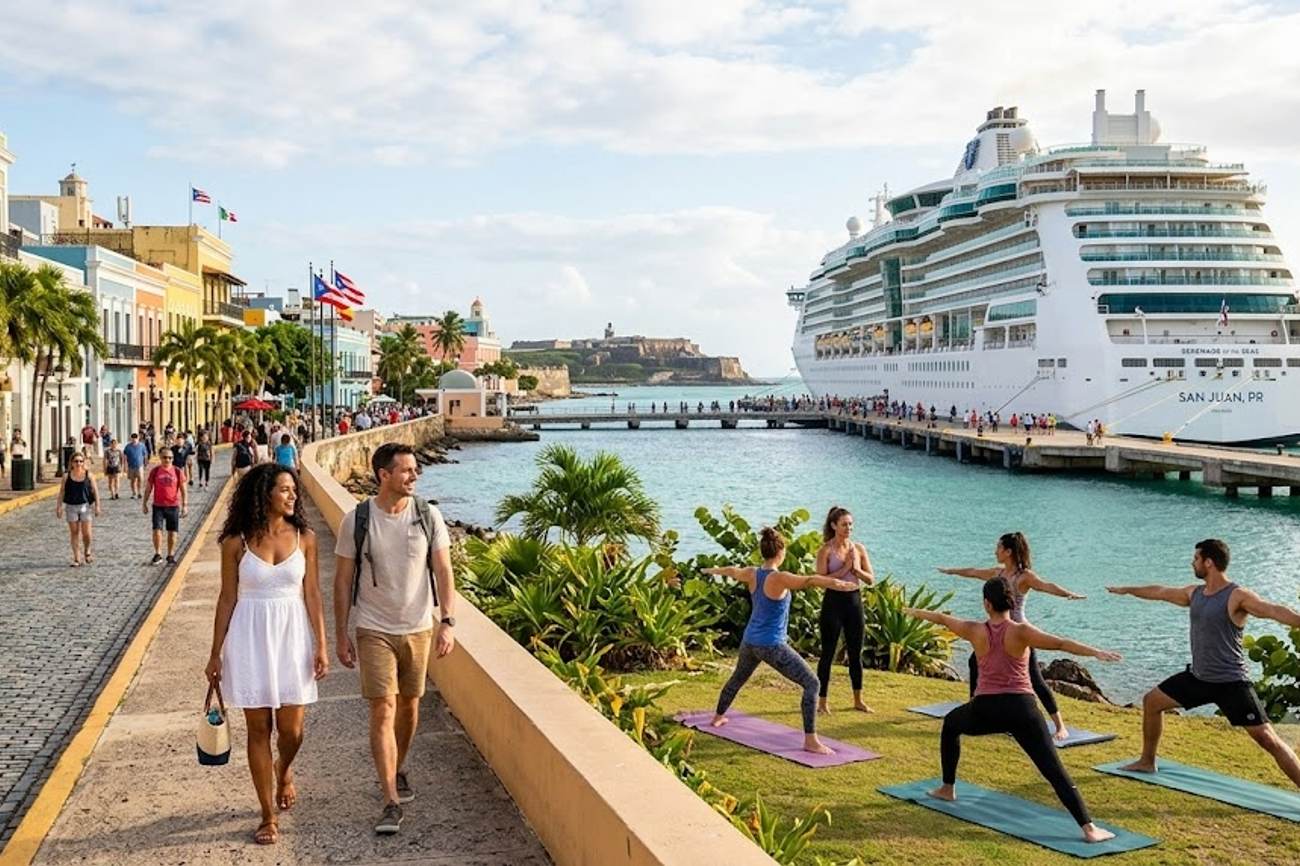
Image generated by AI
[San Juan, 2026] — Puerto Rico is spearheading a strategic pivot in Caribbean tourism for 2026, leveraging a surge in cruise arrivals, aggressive hospitality investment, and a new focus on wellness initiatives to drive regional growth. The territory is moving beyond its traditional image as a beach destination to capture high-value business and leisure markets through the promotion of cultural heritage, nature-based tourism, and upscale infrastructure.
This shift is part of a broader systemic transformation across the Caribbean basin. Destinations are actively diversifying their offerings to mitigate the risks of over-reliance on "sun and sand" tourism. From the rainforests of Dominica to the private islands of the Bahamas, the region is implementing a multi-pronged strategy to attract global travelers through experience-led travel, sustainable eco-tourism, and premium luxury escapes.
The Diversification Catalyst
The immediate driver of this growth is a fundamental change in consumer behavior. Modern travelers are rejecting passive vacations in favor of "experience-based" travel—trips that integrate wellness, local authenticity, and adventure. Puerto Rico has responded by integrating business tourism with leisure (bleisure) and investing in wellness retreats that capitalize on the island's natural geography.
Across the region, this catalyst is manifesting as a move toward "quality over quantity." For example, the Turks and Caicos Islands are explicitly targeting high-spending demographics via exclusive villas and private resorts, prioritizing high-value yields over raw visitor counts. Simultaneously, the Caribbean Tourism Organization (CTO) and local governments are strengthening cruise port infrastructure to handle increased capacity and diversify the types of cruise passengers arriving in the region.
Regional Impact and Market Focus
The 2026 tourism landscape is fragmented into specific niches, with each territory claiming a distinct market identity to avoid direct competition and instead create a complementary regional ecosystem.
| Destination | 2026 Strategic Focus | Primary Visitor Draw |
|---|---|---|
| Puerto Rico | Cruise, Wellness, & MICE | Cultural sites, infrastructure, and business events |
| Aruba | Premium Leisure & Adventure | Luxury resorts and outdoor activity hubs |
| Dominican Republic | Mass Scale & International Reach | Punta Cana, all-inclusive resorts, and cruise ports |
| Jamaica | Heritage & Community | Music, authentic culture, and adventure travel |
| Bahamas | Exclusive Luxury | Private islands and high-end ocean experiences |
| Barbados | Culinary & Heritage | Gastronomy, festivals, and storytelling |
| Turks and Caicos | High-Net-Worth Individuals | Exclusive escapes and ultra-luxury villas |
| Dominica | Eco-Wellness | Rainforests and sustainable outdoor travel |
| Cayman Islands | Marine Luxury | Premium stays and high-end diving/marine activities |
The Dominican Republic continues to serve as the region's volume leader, expanding its resort capacity in Punta Cana and Santo Domingo to accommodate a growing influx of European and Canadian travelers. This scale provides a stable foundation for the region, while smaller markets like Dominica carve out niches in "slow travel" and environmental sustainability.
Practical Traveler Advisory and Strategic Insights
For the individual traveler or travel agent booking for 2026, the "standard" Caribbean package is effectively obsolete. The shift toward diversified experiences means that the logistics of a trip now depend heavily on the specific type of experience sought rather than just the destination.
1. Booking Lead Times for Luxury and Wellness With Turks and Caicos and the Bahamas focusing on exclusivity and private villas, availability for high-end accommodations is tightening. Travelers seeking these "exclusive escapes" must book significantly further in advance than they would for a standard all-inclusive resort in the Dominican Republic.
2. The Rise of the "Bleisure" Trip Puerto Rico’s investment in business tourism infrastructure means that corporate travelers can now seamlessly integrate leisure activities into business trips. This includes the availability of high-end coworking spaces paired with wellness retreats, making the island a primary target for digital nomads and corporate event planners.
3. Shift in Activity Planning Travelers heading to Jamaica or Barbados should expect a move away from secluded resort stays toward "community tourism." This means more curated tours of local heritage sites, culinary workshops, and music-centric itineraries. The focus is on interaction with local populations rather than isolation from them.
Puerto Rico is expanding its tourism infrastructure to accommodate a surge in cruise arrivals and high-end wellness travelers. Visitors can explore curated regional experiences and official travel guidelines through Discover Puerto Rico, the island's primary tourism destination marketing organization.
4. Sustainable Travel Options For those avoiding crowds, Dominica is the primary alternative. The focus here is on nature-based wellness and rainforest exploration. Travelers should expect fewer large-scale hotels and more eco-lodges, requiring a different approach to packing and transportation.
The 2026 Infrastructure Roadmap
The growth in cruise tourism is not accidental; it is the result of coordinated investments in port facilities across the Caribbean. By expanding the capacity of ports in the Dominican Republic and Puerto Rico, the region is enabling larger, more modern cruise ships to dock, which in turn brings a higher volume of passengers into local economies.
Furthermore, the integration of International Air Transport Association (IATA) standards in regional airport upgrades is facilitating better connectivity. This is particularly evident in the Dominican Republic, where increased flights from Europe and Canada are reducing the region's historical dependence on the North American market.
Looking ahead, the trend toward "authentic" travel is expected to accelerate. Jamaica is leveraging its global cultural footprint—specifically music and food—to create "heritage corridors" that move tourists out of the resort zones and into local communities. This not only spreads the economic benefit of tourism but also satisfies the traveler's desire for genuine connection.
In the luxury sector, the Bahamas and Cayman Islands are doubling down on "marine luxury." This involves integrating high-end yachting experiences with land-based luxury stays, creating a seamless transition between ocean and shore.
FAQ: Caribbean Travel 2026
Which Caribbean destination is best for a business trip combined with a vacation? Puerto Rico is the leading choice for 2026. Its current strategy specifically integrates business tourism infrastructure with wellness and cultural offerings, making it ideal for those blending professional obligations with leisure.
How is "wellness tourism" different from a standard beach holiday in the Caribbean? Wellness tourism, led by Dominica and Puerto Rico, focuses on health-centric activities, such as rainforest retreats, sustainable eco-adventures, and mental health escapes, rather than just passive relaxation on a beach.
Are cruise options expanding in 2026? Yes. There is a significant increase in cruise capacity and visitor interest across the region, particularly in the Bahamas, the Dominican Republic, and Puerto Rico, supported by expanded port infrastructure.
Which islands are best for travelers seeking privacy and exclusivity? Turks and Caicos and the Bahamas are the primary targets for high-value travelers, focusing on private villas, exclusive resorts, and private island experiences to ensure maximum privacy.
The Caribbean is no longer just a destination for sun-seekers; it is becoming a curated portfolio of specialized experiences.
Related Travel Guides
Disclaimer
This article is for informational and educational purposes only. It does not constitute legal, financial, or professional advice. While we strive to provide accurate and up-to-date information, travel policies, regulations, and conditions change rapidly. Always verify information with official sources before making travel decisions. Nomad Lawyer makes no representations about the accuracy, reliability, completeness, or suitability of the information provided. Readers should consult qualified professionals for advice specific to their circumstances. The views expressed in this article are those of the author and do not necessarily reflect the views of Nomad Lawyer.
Naina Thakur
Contributor & Travel Specialist
Travel enthusiast and legal writer covering visa regulations, responsible tourism, and cultural journeys across global destinations.
Learn more about our team →