Portugal Transforms Travel With Breathtaking Outdoor Experiences Beyond Famous Destinations

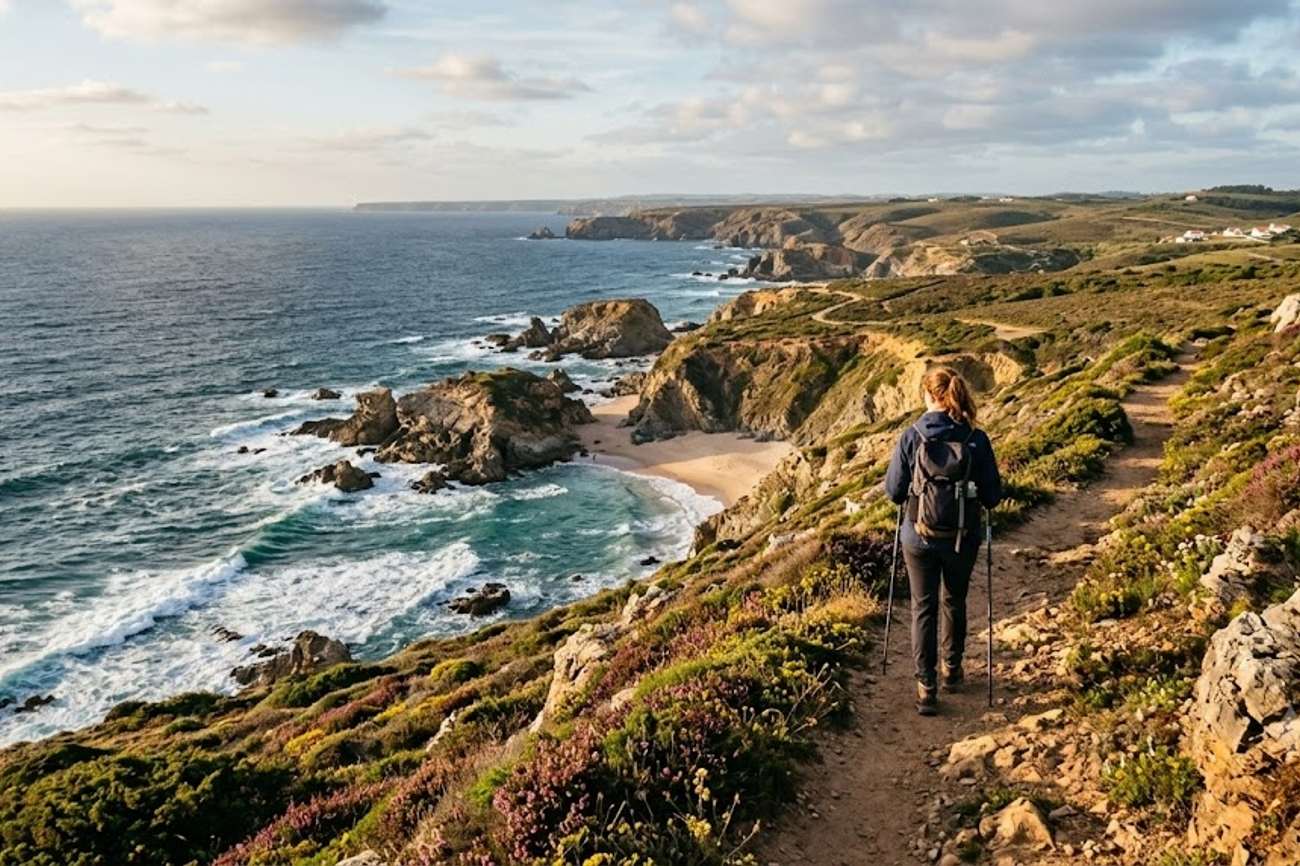
Image generated by AI
Most travelers stick to the tiled alleys of Lisbon or the wine cellars of Porto, but the true soul of the country resides in its rugged Atlantic fringes and mountain interiors where surfing, hiking, and cycling are not just hobbies, but cultural pillars. Portugal is currently pivoting its entire tourism strategy to move people away from the urban centers and into the wild, leveraging a geography that shifts violently from the granite peaks of the north to the limestone cliffs of the south.
The Shift Toward Active Exploration
Portugal is intentionally diversifying its appeal, moving beyond the "sun and sand" stereotype to position itself as a premier hub for adventure and sustainable travel. The national strategy is now focused on integrating physical activity with cultural immersion. Instead of viewing the country as a series of monuments to visit, the current trend is to experience the territory through movement. This means a surge in the promotion of canoeing and kayaking through river systems, birdwatching in protected wetlands, and expansive cycling networks that cut through the heart of the countryside.
The goal is to distribute the economic benefits of tourism more equitably. By promoting nature walks and eco-friendly exploration, the government is steering visitors toward rural villages and protected natural spaces that previously saw little international traffic. This shift is not just about activity; it is about longevity. When a traveler chooses a multi-day hiking route or a cycling journey through the vineyards, they stay longer in one region, spend more at local guesthouses, and engage more deeply with the residents than a day-tripper ever would.
What Makes the Portuguese Wild Different
The uniqueness of the Portuguese experience lies in its extreme geographical contrast within a relatively small landmass. You can wake up in a misty, forested mountain range in the north and end your day on a wind-swept Atlantic beach. The coastline is the primary draw, offering some of the most consistent surfing conditions in the world. These beaches are not just for lounging; they are arenas for high-performance water sports and marine observation, including dolphin watching tours that highlight the biodiversity of the Atlantic.
Beyond the coast, the interior offers a different kind of silence. The mountain trails and national parks provide a sanctuary for those seeking environmental education and landscape photography. Unlike the manicured parks of Central Europe, Portugal's protected areas often blend seamlessly into working rural landscapes. You will find yourself hiking through a protected reserve only to stumble upon a traditional village where the lifestyle has remained unchanged for decades. This intersection of wild nature and living heritage is what defines the Portuguese outdoor experience.
Visitor Insider Tips
To experience Portugal like a local, you must synchronize your movements with the seasons and the terrain.
Timing and Logistics Avoid the peak summer heat of July and August if you plan on hiking or cycling in the Alentejo or Algarve regions; the sun can be punishing. The "sweet spot" for outdoor activity is between March and May or September and November. During these windows, the temperatures are mild, and the landscapes are vibrant. For surfers, the winter swells bring the biggest waves, but for beginners, the summer months offer calmer waters and more manageable breaks.
Local Etiquette and Gear When venturing into rural villages, a simple "Bom dia" (Good morning) goes a long way. Rural communities are welcoming but value politeness. Regarding gear, do not underestimate the Atlantic wind. Even in summer, a windproof shell is essential for coastal hiking. If you are cycling, ensure you have a reliable map or GPS, as some of the most rewarding rural routes are poorly marked.
Regional Specialties to Seek Out While trekking, look for "Tascas"—small, family-run eateries. In the north, try the hearty caldo verde (kale soup) to refuel. In the coastal regions, prioritize grilled sardines and octopus, usually caught that morning. In the interior, seek out local honey and artisanal cheeses, which are often sold directly from the farms you will pass on your trails.
Transport Hacks While rental cars are common, the best way to see the countryside is by combining trains with local bike rentals. Use the CP - Comboios de Portugal network to reach regional hubs, then rent a bicycle or hire a local guide to take you into the hinterlands. This reduces your carbon footprint and allows you to spot details you would miss from a car window.
Cultural and Environmental Context
The push toward outdoor tourism is a calculated response to the challenges of over-tourism in cities like Lisbon and Porto. By directing the flow of people toward the mountains and coastlines, Portugal is attempting to preserve the urban fabric of its cities while revitalizing dying rural villages. This is a delicate balance; the introduction of high-volume tourism into protected areas carries the risk of environmental degradation.
To combat this, there is a heavy emphasis on "responsible tourism." Many of the promoted activities are designed to be low-impact. For example, the promotion of cycling and walking over motorized tours helps protect the air quality and tranquility of the countryside. Furthermore, by linking outdoor activities to UNESCO World Heritage sites and national parks, the country is using tourism revenue to fund the preservation of its biodiversity and architectural heritage.
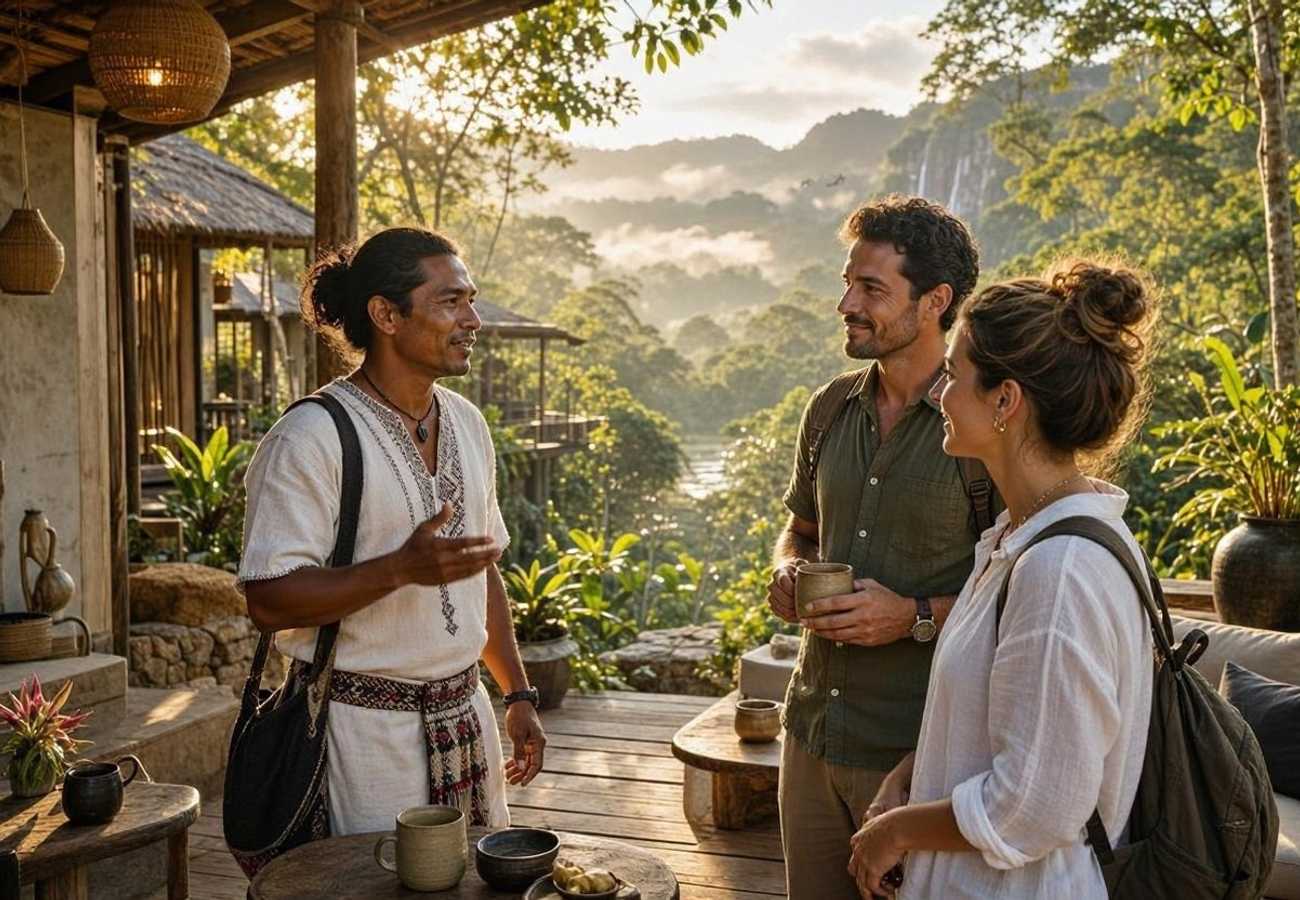
The interaction between the traveler and the local is central to this model. When a tourist visits a traditional farm or stays in a rural guesthouse, they are providing a financial incentive for younger generations to remain in their ancestral villages rather than migrating to the cities. In this sense, a hiking trip through the interior is not just a vacation; it is a contribution to the survival of Portugal's rural cultural identity. For more official guidelines on sustainable travel, visitors should consult Visit Portugal.
FAQ: Visiting Portugal 2025
What is the best time to visit for outdoor activities? Spring (March to May) and Autumn (September to November) are ideal. The weather is mild, crowds are thinner than in summer, and the natural landscapes are at their most scenic for hiking and cycling.
Do I need a visa for a short-term adventure trip? Citizens of the US, Canada, and the UK generally do not need a visa for stays up to 90 days within the Schengen Area. Always check current EU regulations before booking.
How do I get to the rural interior from Lisbon? The most efficient way is by renting a car or using the regional train network (CP). For specific adventure hubs, local shuttle services often operate from major cities to national parks.
Is it safe for solo travelers to hike in Portugal? Yes, Portugal is very safe. However, when hiking in remote mountain areas, always notify your accommodation of your route and carry a fully charged phone and offline maps.
Leave the city maps behind and let the Atlantic wind guide you toward the real Portugal.
Related Travel Guides
- Australia Steps Up With Fiji Plus Others as Sydney-Melbourne Boost Premium Pacific Travel Experiences
- Gambia Surpasses Suriname and More as Global Tourism Spending Rises 157% in H1 2026 Driving Travel Growth
- Ireckonu Drives Hotel Data Revolution As Unified Insights Transform Global Guest Experiences
This article is for informational purposes. Flight routes, passenger regulations, visa rules, and transit advisories are subject to change by airlines and aviation authorities. Readers are advised to verify schedules and travel documentation with relevant carriers and border agencies before departure.
Related Stories

Rail Europe Integrates Comboios de Portugal into B2B Network to Expand Iberian Rail Access 2026

Phuket Luxury Tourism Surge 2026: High-Net-Worth Arrivals and New Aviation Routes