
Portugal Tourism Analysis 2026: Lisbon and Porto Lead Surge in International Overnight Stays
Analysis of Portugal's 2024 tourism data reveals a strategic shift toward urban diversification, with Porto and Funchal seeing massive growth in overnight stays compared to 2019 levels.

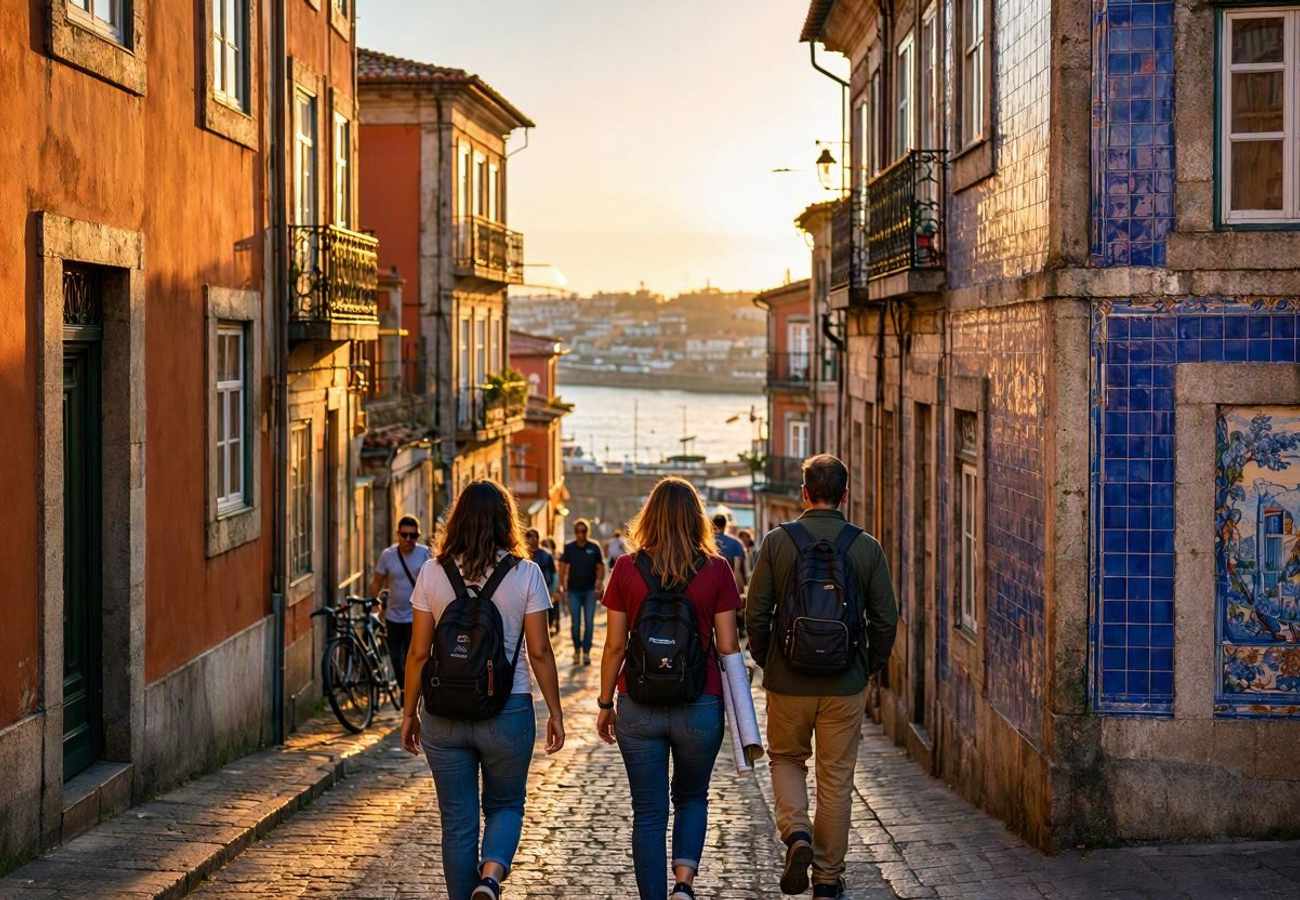
Image generated by AI
15,740,364 overnight stays in Lisbon alone during 2024 confirm the Portuguese capital's status as the primary engine of the nation's tourism economy. This figure represents a 12.5% increase over 2019 levels, signaling a robust recovery and expansion that transcends mere post-pandemic bounce-back. While the capital maintains a dominant lead, the broader data reveals a strategic redistribution of tourist traffic toward northern urban hubs and Atlantic islands, suggesting a maturation of the Portuguese travel market.
The Shift Toward Urban Diversification
For years, the narrative of Portuguese tourism was a binary choice between the cultural magnetism of Lisbon and the sun-drenched resorts of the Algarve. However, recent data indicates a significant pivot. Porto has evolved into one of the fastest-growing city-break markets in Europe, while Funchal has solidified Madeira's reputation as a perennial destination.
This diversification is not accidental. It is the result of targeted infrastructure investments and a shift in traveler preferences toward "authentic" urban experiences over traditional resort stays. The growth in the North is particularly striking, with Vila Nova de Gaia recording a staggering 47.7% increase in overnight stays compared to 2019, largely driven by its synergy with Porto's wine and gastronomy sectors.
2024 Tourism Market Performance Metrics
The following data breaks down the competitive standing of Portugal's primary tourism municipalities, highlighting the disparity between mature leisure markets and emerging urban hubs.
| Municipality | Region | 2024 Overnight Stays | Change vs 2019 | Bed Capacity (2024) | Primary Market Driver |
|---|---|---|---|---|---|
| Lisbon | Greater Lisbon | 15,740,364 | +12.5% | 73,957 | MICE, Culture, Aviation Hub |
| Albufeira | Algarve | 7,705,992 | -9.6% | 47,495 | Mass Leisure, Beach Resorts |
| Funchal | Madeira | 6,321,734 | +25.9% | 26,308 | Year-round Nature, Luxury |
| Porto | North | 6,279,499 | +36.9% | 30,616 | City Breaks, Douro Wine |
| Portimão | Algarve | 2,709,885 | +5.3% | 17,892 | Marina, Sports, Leisure |
| Lagoa | Algarve | 1,745,562 | +4.1% | 11,007 | Premium Coastal |
| Lagos | Algarve | 1,684,312 | +19.3% | 10,552 | Surfing, Heritage |
| Cascais | Greater Lisbon | 1,605,069 | +0.6% | 8,772 | High-Value/Golf |
| Ponta Delgada | Azores | 1,523,684 | — | — | Adventure, Volcanic Nature |
| Vila Nova de Gaia | North | 1,071,718 | +47.7% | 6,014 | Wine Tourism |
| Sintra | Greater Lisbon | 735,048 | +6.5% | 3,916 | UNESCO Heritage |
| Coimbra | Centre | 708,604 | -0.1% | 4,550 | University/Culture |
| Aveiro | Centre | 453,431 | +21.7% | 2,553 | Canals, Art Nouveau |
Expert Analysis: The Logistics of Growth and Friction
The data suggests a critical inflection point for Portuguese tourism. For travelers booking routes into the country, the direct consequence of this growth is a widening gap in pricing and availability between the "Big Three" (Lisbon, Porto, Albufeira) and secondary cities.
The most alarming figure is the -9.6% dip in Albufeira's overnight stays compared to 2019, despite it remaining a massive market. This suggests a saturation point or a shift in consumer behavior away from traditional "sun and sand" mass tourism toward the high-growth urbanism seen in Porto (+36.9%). For the luxury traveler, this means a pivot toward Funchal and Cascais, where the value proposition is based on exclusivity rather than volume.
From a regulatory and logistical perspective, the pressure on Lisbon is reaching a breaking point. With 73,957 beds and over 15 million stays, the city is grappling with the "overtourism" phenomenon. This typically leads to stricter short-term rental regulations and higher hotel taxes to fund urban maintenance. Travelers should expect increased scrutiny on Airbnb-style accommodations as the city attempts to balance tourism with local residency.
Furthermore, the reliance on international aviation—coordinated through bodies like the International Air Transport Association (IATA)—has made Lisbon a bottleneck. The expansion of Porto's airport is no longer just a convenience; it is a strategic necessity to offload pressure from the capital. Those visiting the North should look toward Turismo de Portugal for updated regional guidelines on sustainable travel.
Key Takeaways
- Urban Dominance: Lisbon remains the undisputed leader with 15.7 million stays, but Porto is the fastest-growing major urban competitor.
- Leisure Shift: Traditional Algarve hubs like Albufeira are seeing a slight decline vs 2019, while Lagos (+19.3%) is emerging as a growth-oriented leisure alternative.
- Island Stability: Funchal's 25.9% growth confirms Madeira's success in decoupling tourism from seasonal summer peaks.
- Emerging Hubs: Vila Nova de Gaia is the breakout star of the North, with a 47.7% increase in overnight stays.
- Capacity Constraints: Lisbon's massive bed capacity (73,957) is under strain, likely leading to higher premiums for central accommodations.
FAQ: Portugal Travel 2026
Which city in Portugal is currently the most popular for tourists? Lisbon is the most popular, recording 15,740,364 overnight stays in 2024. It serves as the primary international gateway and a hub for culture, business, and gastronomy.
Is Porto a viable alternative to Lisbon for a city break? Yes. Porto is one of Europe's fastest-growing markets, with a 36.9% increase in overnight stays over 2019 levels, offering a more intimate, wine-focused urban experience.
Why is Funchal recommended for year-round travel? Funchal benefits from a stable climate and diverse activities (hiking, luxury events, nature), allowing it to maintain high competitiveness outside the traditional European summer season.
Are the Algarve beaches still the main draw for leisure travelers? While Albufeira remains a powerhouse with 7.7 million stays, growth is shifting toward Lagos and Portimão, which offer more heritage and sports-oriented coastal experiences.
The data is clear: Portugal is no longer just a beach destination; it is an urban powerhouse in transition.
Related Travel Guides
Disclaimer
This article is for informational and educational purposes only. It does not constitute legal, financial, or professional advice. While we strive to provide accurate and up-to-date information, travel policies, regulations, and conditions change rapidly. Always verify information with official sources before making travel decisions. Nomad Lawyer makes no representations about the accuracy, reliability, completeness, or suitability of the information provided. Readers should consult qualified professionals for advice specific to their circumstances. The views expressed in this article are those of the author and do not necessarily reflect the views of Nomad Lawyer.
Preeti Gunjan
Contributor & Community Manager
A passionate traveller and community builder. Preeti helps grow the Nomad Lawyer community, fostering engagement and bringing the reader experience to life.
Learn more about our team →