
Serbia Tourism Growth 2026: High-Speed Rail, Thermal Spas, and Danube River Expeditions
Serbia is witnessing a tourism surge driven by high-speed rail connectivity between Belgrade and Novi Sad, alongside a growing demand for wellness retreats in Vrnjačka Banja and nature expeditions in the Đerdap Gorge.

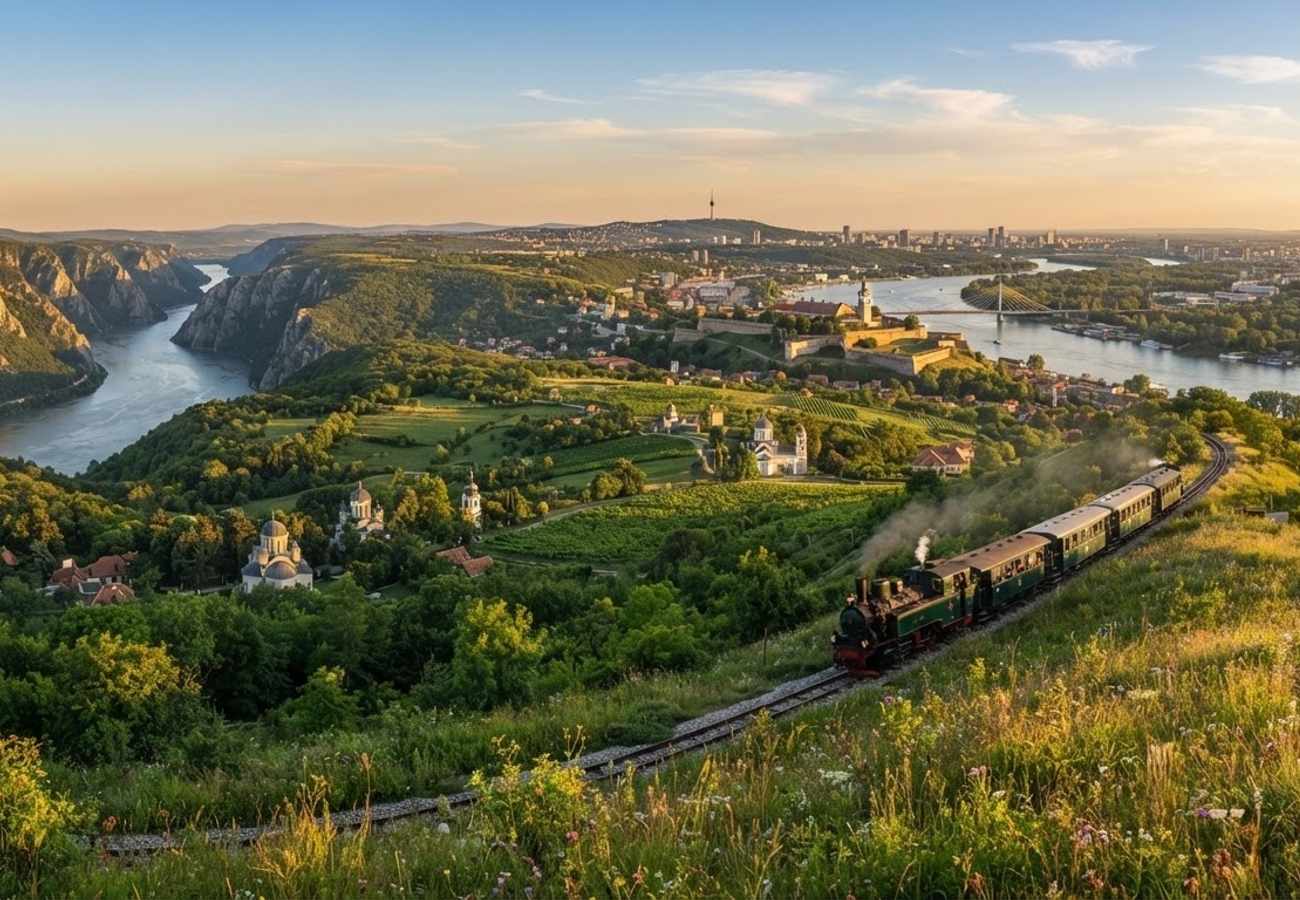
Image generated by AI
Serbia is transforming into a multi-dimensional destination where high-speed infrastructure now links urban hubs to remote wellness retreats and mountain heritage sites. The integration of rapid transit and diversified leisure offerings is shifting the country from a stopover destination to a primary European travel hub.
Modernizing Transit: The Belgrade-Novi Sad Corridor
The implementation of high-speed rail has fundamentally altered the logistics of visiting northern Serbia. By drastically reducing travel time between the capital, Belgrade, and the city of Novi Sad, the rail link has eliminated the need for dedicated travel days, allowing international visitors to treat both cities as a single, integrated metropolitan experience.
This connectivity serves as a gateway to the Vojvodina region. Travelers can now efficiently transition from the urban energy of Belgrade to the cultural landmarks of Novi Sad, including the Danube waterfront and the historic Petrovaradin Fortress.
Expanding Beyond the City: Fruška Gora’s Cultural Appeal
South of Novi Sad lies Fruška Gora, a region that leverages its proximity to the high-speed rail network to attract nature and heritage enthusiasts. This area represents a strategic shift toward "slow tourism," combining:
- Viticulture: Extensive vineyards and wine tasting experiences.
- Spirituality: A dense concentration of Serbian Orthodox monasteries.
- Outdoor Recreation: Forested landscapes ideal for hiking and rural exploration.
For the modern traveler, Fruška Gora functions as a seamless extension of a city break, providing a rapid escape into nature without the logistical burden of long-distance transit.
The Evolution of Serbian Wellness Tourism
Serbia is experiencing a resurgence in thermal and spa tourism, moving beyond simple medical treatments toward comprehensive wellness holidays. Two primary hubs are leading this growth:
Vrnjačka Banja As one of the nation's most established resorts, Vrnjačka Banja integrates thermal springs and landscaped parks with active leisure. The destination now appeals to those seeking a hybrid holiday—balancing professional wellness treatments with mountain excursions and cultural sightseeing.
Sokobanja Located further east, Sokobanja emphasizes the intersection of health and the environment. Surrounded by forests and scenic viewpoints, it offers a slower pace of life, positioning itself as the primary alternative for those looking to escape the intensity of Belgrade's urban center.
Nature and Heritage Frontiers: Đerdap and Mokra Gora
While the north focuses on speed and wellness, the eastern and western frontiers offer dramatic landscapes and industrial heritage.
The Iron Gate (Đerdap Gorge) Along the eastern border, the Đerdap Gorge provides some of the most imposing scenery in the Balkans. The area is defined by steep cliffs and the wide expanse of the Danube. Within Đerdap National Park, tourism is centered on wildlife observation and active exploration of the river's rugged terrain.
Mountain Heritage in Mokra Gora Western Serbia offers a stark contrast with the mountain settlement of Mokra Gora. The region is globally recognized for the Šargan Eight, a narrow-gauge heritage railway. This attraction is not merely a transport link but a historical experience, utilizing an unusual loop route to navigate the mountainous terrain, blending industrial history with scenic alpine views.
Strategic Itinerary Integration
The current growth in Serbian tourism is not based on isolated attractions but on the ability to synthesize them into a single journey. The compact geography and improved transit allow for diverse, multi-experience itineraries.
Regional Connectivity Framework
| Region | Primary Attraction | Key Appeal | Connection Point |
|---|---|---|---|
| Northern Serbia | Belgrade $\rightarrow$ Novi Sad | High-speed rail, Petrovaradin Fortress | High-Speed Rail Link |
| Vojvodina | Fruška Gora | Wine trails, Orthodox Monasteries | Novi Sad Hub |
| Central/East | Vrnjačka Banja & Sokobanja | Thermal springs, wellness, hiking | Regional Road Networks |
| Eastern Border | Đerdap Gorge | Danube river, National Park, cliffs | Eastern Transit Corridors |
| Western Serbia | Mokra Gora | Šargan Eight railway, mountain hiking | Western Heritage Routes |
Key Takeaways for 2026 Travelers
- Infrastructure Efficiency: High-speed rail makes the Belgrade-Novi Sad route a seamless transition for international arrivals.
- Wellness Diversification: Spa towns like Sokobanja and Vrnjačka Banja have evolved into year-round leisure destinations.
- Niche Heritage: The Šargan Eight remains a critical draw for railway enthusiasts and nature lovers in the west.
- Natural Grandeur: The Đerdap Gorge is the premier destination for Danube-based adventure and ecology.
Frequently Asked Questions
How has the high-speed rail changed travel in Serbia? It has significantly shortened the trip between Belgrade and Novi Sad, enabling tourists to visit both cities and the nearby Fruška Gora region within a shorter timeframe.
What are the best destinations for a wellness retreat in Serbia? Vrnjačka Banja and Sokobanja are the leading choices, offering a mix of thermal waters, spa facilities, and surrounding nature trails.
What makes the Šargan Eight railway unique? Located in Mokra Gora, it is a narrow-gauge heritage railway known for its distinctive "eight" shaped loop used to climb the mountains, offering scenic views of Western Serbia.
Serbia is no longer just a transit point in the Balkans, but a destination where high-speed modernity meets timeless nature.
Related Travel Guides
Disclaimer
This article is for informational and educational purposes only. It does not constitute legal, financial, or professional advice. While we strive to provide accurate and up-to-date information, travel policies, regulations, and conditions change rapidly. Always verify information with official sources before making travel decisions. Nomad Lawyer makes no representations about the accuracy, reliability, completeness, or suitability of the information provided. Readers should consult qualified professionals for advice specific to their circumstances. The views expressed in this article are those of the author and do not necessarily reflect the views of Nomad Lawyer.
Raushan Kumar
Founder & Lead Developer
Full-stack developer with 11+ years of experience and a passionate traveller. Raushan built Nomad Lawyer from the ground up with a vision to create the best travel and law experience on the web.
Learn more about our team →