
Portugal Opens Spectacular Nature Destinations Through Protected Parks, Reserves And Outdoor Adventures
Portugal Opens Spectacular Nature Destinations Through Protected Parks, Reserves And Outdoor Adventures

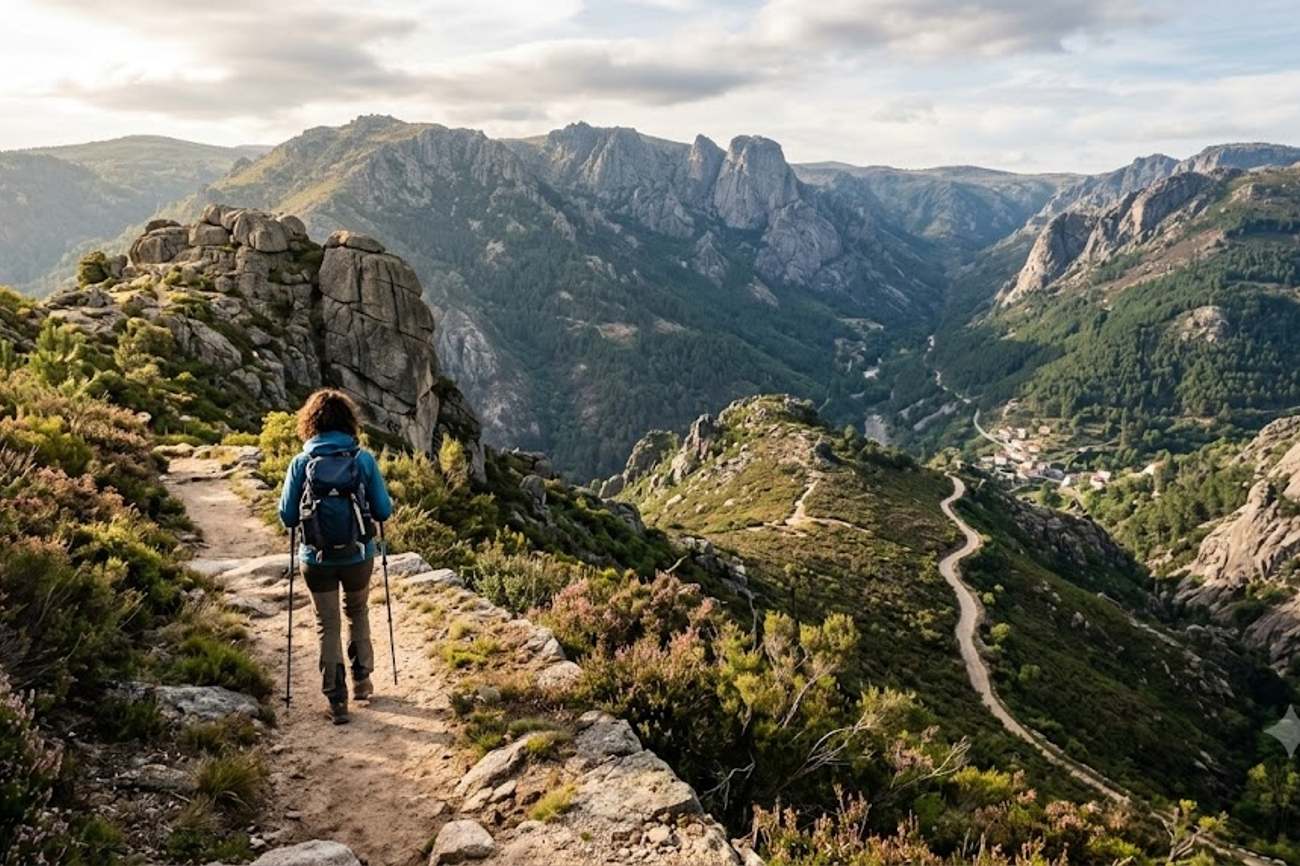
Image generated by AI
While traditional Portuguese coastal tourism has historically seen concentrated surges in the Algarve and Lisbon, the shift toward the National Network of Protected Areas indicates a strategic pivot toward geographic dispersion. This movement is mirrored in broader European trends where "overtourism" in urban hubs is driving a measurable migration toward rural and protected zones, a pattern tracked by the World Tourism Organization (UNWTO) as part of the global transition toward sustainable destination management.
The Nature Pivot in Numbers: Diversifying the Portuguese Portfolio
Portugal is currently re-engineering its tourism value proposition to move beyond the "Sun and Sea" binary. The data indicates a concerted effort to monetize the National Network of Protected Areas by integrating them into the primary travel itinerary. The focus has shifted toward four distinct ecological pillars: the mountainous north (Peneda Gerês), the limestone coasts (Arrábida), the lagoon systems (Ria Formosa), and the volcanic archipelagos (Madeira and the Azores).
The Peneda Gerês National Park serves as the primary data point for this shift. As the nation's only official national park, it acts as the anchor for "Wild Adventure Tourism." The operational model here is not based on high-volume ticket sales—which are absent in many of these zones—but on the "Slow Travel" metric: increasing the average length of stay per visitor by integrating traditional village visits with hiking and wildlife observation.
In the coastal sector, the Arrábida and Ria Formosa Natural Parks are being positioned as "decongestion valves" for Lisbon and the Algarve. By redirecting travelers from saturated beach zones to protected wetlands and limestone cliffs, Portugal is attempting to stabilize the passenger-to-resource ratio in its most visited regions.
Regional Distribution and Ecological Benchmarks
To understand the scale of this diversification, one must compare the offerings across Portugal's diverse geography. The shift is not merely about adding "nature" to the brochure, but about creating distinct regional products that appeal to different high-value traveler segments.
| Region | Primary Protected Asset | Key Ecological Driver | Target Traveler Segment | Primary Activity Metric |
|---|---|---|---|---|
| North | Peneda Gerês National Park | Mountain/Forest/River | Adventure/Photography | Hiking & Wildlife Tracking |
| Central/Coast | Arrábida Natural Park | Limestone/Marine | Day-trippers (Lisbon) | Diving & Coastal Trekking |
| South | Ria Formosa Natural Park | Coastal Lagoon/Wetlands | Eco-conscious/Birdwatchers | Boat Tours & Biodiversity |
| Islands | Madeira Natural Park | Laurisilva Forest/Volcanic | Year-round Explorers | Levada Walks & Botany |
| Islands | Azores Protected Areas | Volcanic/Deep Sea | Remote Escape Seekers | Marine Observation |
This regional breakdown reveals a strategic attempt to eliminate "seasonality." While the Algarve experiences a sharp decline in visitors post-September, the Madeira Natural Park and the Azores maintain a more stable year-over-year occupancy rate due to their mild climates and unique volcanic landscapes. This is a critical movement for the Portuguese economy, as it stabilizes employment for local rural communities who previously relied on short-term seasonal spikes.
What This Means for Travelers
The transition from mass tourism to protected-area tourism changes the logistics of visiting Portugal. For the individual traveler, the "walk-in" culture of traditional sightseeing is being replaced by a "regulated access" model.
1. Booking Windows and Guided Access: Because many of these protected areas—particularly in Peneda Gerês and the Azores—operate under strict conservation rules to prevent habitat degradation, spontaneous exploration is becoming riskier. Travelers should now book guided activities 4-6 weeks in advance. The reliance on "marked routes" means that off-trail exploration is not only discouraged but often prohibited by local environmental guidelines.
2. Geographic Hedging: If you are planning a trip in the peak summer months (June-August), the data suggests avoiding the primary coastal hubs and instead pivoting toward the Northern mountains or the Azores. This not only avoids the crowds but aligns with the current sustainable tourism push, likely resulting in better availability for boutique rural accommodations.
3. The "Slow Travel" Budget: Unlike city breaks where spending is concentrated on dining and shopping, nature tourism in Portugal requires a budget shift toward "experience-based" spending. This includes hiring local guides for birdwatching in Ria Formosa or booking specialized nature photography journeys in the north.
Forward Projection: The Path to Sustainable Saturation
Based on current trajectories and data from IATA regarding the rise of eco-conscious travel, Portugal is likely to implement more stringent "carrying capacity" limits in its national parks within the next 24-36 months. We can expect a transition from the current open-access model to a permit-based system for high-traffic trails in Peneda Gerês and Madeira.
The integration of "traditional villages" into the nature tourism circuit is a calculated move to distribute wealth. By linking a hike in a national park to a stay in a rural village, Portugal is creating a closed-loop economic system. The next phase of this trend will likely involve the digitalization of these experiences—using apps to monitor visitor density in real-time to prevent the "Instagram effect" from destroying the very biodiversity that attracts the tourists.
Furthermore, the focus on the Laurisilva forest in Madeira and the volcanic landscapes of the Azores positions Portugal to compete directly with destinations like Costa Rica or Iceland. By leveraging its unique Atlantic positioning, Portugal is moving from a "budget European getaway" to a "premium ecological destination."
FAQ: Portugal Nature Tourism 2025
Will entrance fees be introduced to the national parks? While most areas currently lack standard ticket systems, the trend toward sustainable management suggests that "conservation fees" or mandatory guide requirements may be introduced for the most sensitive zones to limit overcrowding and fund habitat restoration.
Is it better to visit the Azores or Madeira for nature? It depends on the data point you value. Madeira offers more stable year-round weather and the unique Laurisilva forest. The Azores provide a more remote, volcanic experience with a higher focus on marine biodiversity and whale watching.
Which airlines are expanding routes to these nature hubs? Expect increased capacity into Ponta Delgada (Azores) and Funchal (Madeira) as carriers recognize the shift away from Lisbon/Porto. Travelers should monitor regional carriers and low-cost options expanding their "island hopper" networks.
Do I need special equipment for Peneda Gerês? Yes. Given the mountainous terrain and river systems, professional hiking gear is essential. Because the park emphasizes "marked routes," high-quality GPS or updated physical maps are required to remain compliant with conservation laws.
The era of the beach-only Portuguese holiday is ending; the era of the ecological expedition has begun.
Tags: Peneda-Geres-Growth-2025, Portugal-Sustainable-Tourism-Metrics, Madeira-Laurisilva-Traffic, Azores-Eco-Tourism-Shift, National-Network-of-Protected-Areas-Portugal
Related Travel Guides
- Limpopo Aligns With Cape Town And More Places In South Africa As Falling Oil Prices Bring New Tourism Opportunities And Relief
- Nusa Dua Follows Canggu And Others As Bali, Indonesia Enters A New Tourism Era With Rising Pressure On Hotels Villas And Property Investors
- Switzerland Unveils Breathtaking Valais Alpine Secrets In New York With Luxury Flavours Legendary Traditions And Unforgettable Mountain Experiences
Disclaimer
This article is for informational and educational purposes only. It does not constitute legal, financial, or professional advice. While we strive to provide accurate and up-to-date information, travel policies, regulations, and conditions change rapidly. Always verify information with official sources before making travel decisions. Nomad Lawyer makes no representations about the accuracy, reliability, completeness, or suitability of the information provided. Readers should consult qualified professionals for advice specific to their circumstances. The views expressed in this article are those of the author and do not necessarily reflect the views of Nomad Lawyer.
Kunal K Choudhary
Co-Founder & Contributor
A passionate traveller and tech enthusiast. Kunal contributes to the vision and growth of Nomad Lawyer, bringing fresh perspectives and driving the community forward.
Learn more about our team →