
Poland Stands Alongside Germany and More in Europe’s New Sleep Tourism Wave Transforming Holidays
Poland Stands Alongside Germany and More in Europe’s New Sleep Tourism Wave Transforming Holidays

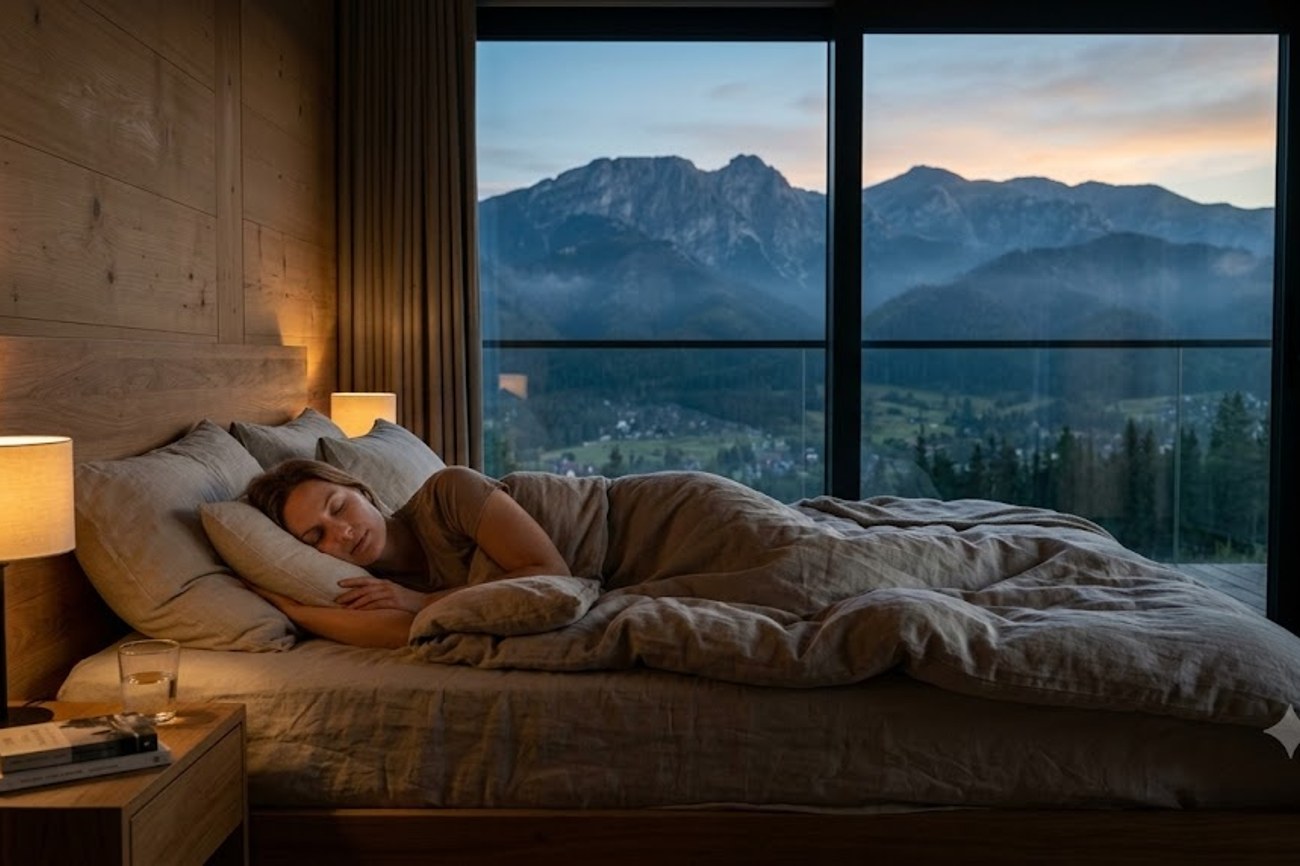
Image generated by AI
94 percent of travelers across the United States and Europe are now actively seeking wellness destinations specifically to improve their sleep quality. This shift marks the end of the "checklist" vacation, where success was measured by the number of museums visited, replaced by a new metric: how physically and mentally restored you feel upon returning home.
The Rise of the Restorative Escape in Central Europe
The traditional European holiday—characterized by frantic city-hopping and late-night itineraries—is being challenged by the emergence of sleep tourism. This isn't about simply finding a hotel with a comfortable mattress; it is a systemic shift toward travel designed for neurological and physical recovery. From the Baltic shores of Lithuania to the riverbanks of Poland and Germany, a new corridor of "slow travel" is forming.
Travelers are now prioritizing environments that minimize sensory overload. The demand is so high that 38 percent of holidaymakers now select their hotels or rentals based specifically on sleep-focused amenities. More tellingly, one in five travelers is now willing to pay a premium for accommodations that guarantee a superior sleep environment. This has forced the hospitality sector to move beyond the standard "luxury" label and implement clinical-grade sleep interventions, such as circadian lighting, sound-dampening architecture, and specialized bedding systems.
What Makes These Sleep Hubs Different
While most tourists flock to the Mediterranean or the fashion capitals of Western Europe, the current leaders in sleep tourism are found in cities where the urban grid yields to nature. The criteria for a top-tier sleep destination have shifted toward environmental purity: low light pollution, minimal noise levels, and high concentrations of green space.
Vilnius, Lithuania, currently leads the European movement with a score of 8.26 out of 10. The secret to its success is a layout where 56 percent of the city is composed of green space. This prevents the "urban heat island" effect and reduces the auditory stress typically found in capitals. By integrating nature into the city center, Vilnius allows visitors to transition from sightseeing to a state of deep relaxation without leaving the urban core.
In Germany, Dresden provides a different model of restoration. Rather than focusing solely on nature, Dresden balances its heavy cultural heritage with a slower operational rhythm. With an annual rainfall of approximately 631mm and controlled light pollution levels, the city creates a natural atmospheric cue for the body to wind down. It offers a template for the "cultural recovery" trip, where one can engage with art and history during the day but find absolute stillness at night.
Poland has emerged as a powerhouse in this sector, with both Poznań and Warsaw redefining the urban stay. Poznań, in particular, has leaned into a lower nightlife intensity, making it an ideal base for those who find the chaos of Prague or Berlin overwhelming. The city has seen a surge in hotels implementing "quiet zones" and blackout solutions, catering to a demographic that views sleep as the primary objective of their trip rather than a byproduct of it.
Visitor Insider Tips
To truly experience these destinations through a restorative lens, you must change how you navigate them.
Vilnius: The Green Strategy Avoid the central hotels near the main transit hubs. Instead, look for accommodations on the periphery of the Old Town that border the city's extensive parks. To maximize the "sleep" aspect of your trip, schedule your walks for the early morning when the air quality is at its peak. For more information on navigating the city, check the Official Lithuania Travel portal.
Dresden: The Atmospheric Shift Dresden is best experienced in the shoulder seasons. The city's specific rainfall patterns and cooler temperatures are conducive to the "cozy" recovery style of travel. Base yourself in the Neustadt area for a more local feel, but seek out hotels that specifically advertise "wellness wings" to ensure you are away from the street-level noise.
Poland: The Poznań Pace In Poznań, ignore the traditional "top 10" lists. Instead, spend your afternoons in the city's quieter residential squares. When booking, specifically ask for rooms that do not face the main thoroughfares. Poland's hospitality sector is rapidly evolving; look for "Sleep Menus" at high-end hotels, which often allow you to choose your pillow density and scent profiles. For broader regional planning, the Poland Official Tourism site is a reliable resource.
General Sleep Etiquette In these restorative hubs, there is a growing local respect for "quiet hours." Whether you are in a boutique hotel in Warsaw or a guesthouse in Vilnius, avoid loud conversations in hallways and common areas after 9:00 PM. This collective adherence to silence is what maintains the environment these travelers are paying for.
Cultural and Environmental Context
The pivot toward sleep tourism is not just a luxury trend; it is a response to the digital burnout of the 21st century. In cities like Vilnius and Dresden, the push for more green space and lower noise pollution benefits locals as much as it does tourists. When a city optimizes for "sleepability," it is effectively improving the public health of its permanent residents.
However, this trend creates a delicate tension. As these cities become known for their tranquility, they risk attracting a volume of tourism that could destroy the very peace that makes them attractive. The challenge for urban planners in Poland and Lithuania is to manage growth without increasing the "nightlife density" or light pollution that currently gives them a competitive edge.
Furthermore, there is an environmental dimension to this movement. The emphasis on air quality and green space encourages cities to maintain their urban forests and limit vehicle emissions. By marketing themselves as "wellness destinations," these cities are incentivized to protect their natural assets. This aligns with broader European goals of sustainable urban living, as seen in the guidelines provided by UNESCO regarding the preservation of historic urban landscapes.
FAQ: Visiting Central Europe 2025
What is the best time to visit for a restorative trip? Visit during the spring (May-June) or early autumn (September-October). These windows offer the most stable temperatures and moderate crowds, which are essential for maintaining a low-stress environment.
Do I need a visa for Lithuania, Poland, or Germany? Citizens of the US, Canada, and UK generally do not need a visa for short stays (up to 90 days) within the Schengen Area, though a valid passport is required. Always check current ETIAS requirements before traveling.
How do I get between these sleep hubs? The most restorative way to travel between these cities is via rail. Poland and Germany have extensive train networks that allow you to see the countryside without the stress of airport security and terminals.
Is it safe for solo travelers? Yes, all three countries are considered very safe for solo travelers. The shift toward wellness and slow tourism has created a welcoming, low-pressure atmosphere in the hospitality sectors of these cities.
Stop counting the monuments and start counting the hours of deep, uninterrupted rest.
#VilniusTravel2025 #PolandWellnessTourism #DresdenSlowTravel #SleepTourismEurope #LithuaniaRecoveryTravel
Related Travel Guides
- Malta Joins With Denmark and Others as EU Fuel Prices Hit Records Impacting Travel Costs and Tourism in 2026
- US Teams Up With South Korea To Deepen Cooperation And Transform Tourism With Stronger Investment And Travel Links
- Vietnam Airlines Boosts Hanoi Tourism With Unique Autumn Campaign Celebrating Culture and Experiences
Disclaimer
This article is for informational and educational purposes only. It does not constitute legal, financial, or professional advice. While we strive to provide accurate and up-to-date information, travel policies, regulations, and conditions change rapidly. Always verify information with official sources before making travel decisions. Nomad Lawyer makes no representations about the accuracy, reliability, completeness, or suitability of the information provided. Readers should consult qualified professionals for advice specific to their circumstances. The views expressed in this article are those of the author and do not necessarily reflect the views of Nomad Lawyer.
Kunal K Choudhary
Co-Founder & Contributor
A passionate traveller and tech enthusiast. Kunal contributes to the vision and growth of Nomad Lawyer, bringing fresh perspectives and driving the community forward.
Learn more about our team →