
Poland and India Strategic Travel Corridor: Trade, Tech, and Tourism Guide 2026
With €5.6B in bilateral trade and a 100-company mission led by Prime Minister Donald Tusk, Poland and India expand tech, defense, and cultural tourism under their Strategic Action Plan.

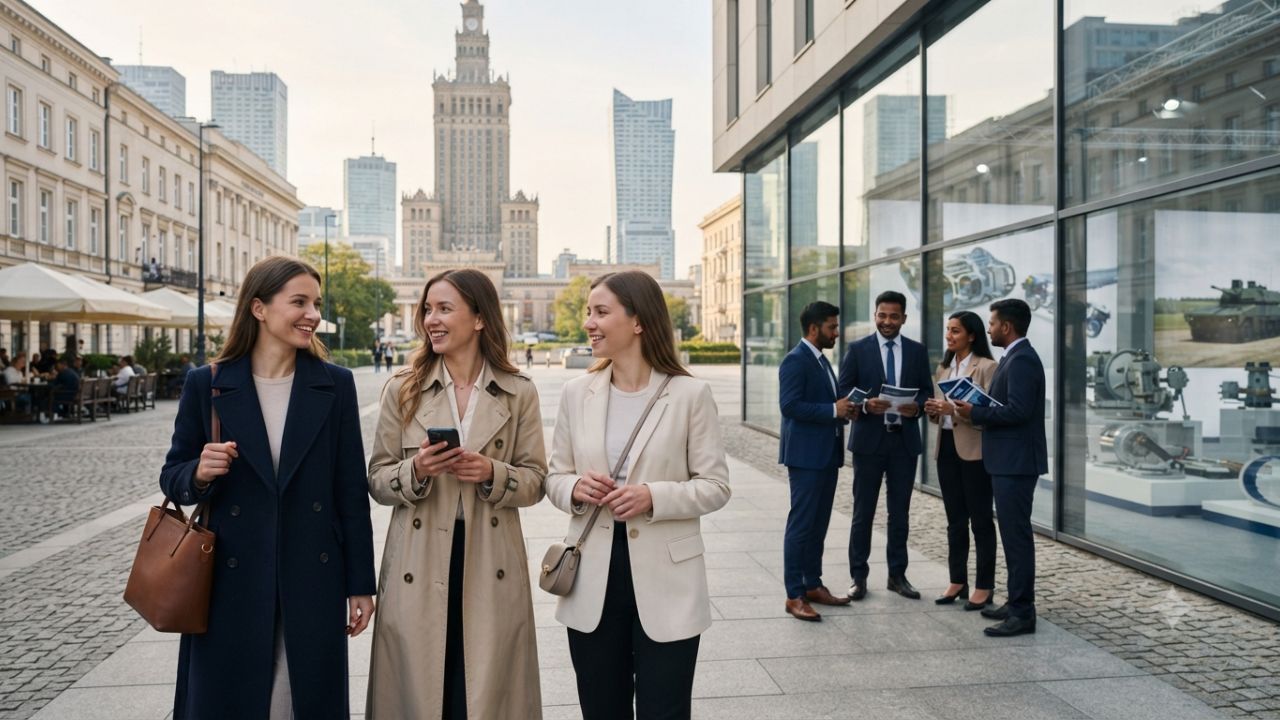
Rooted in an extraordinary Second World War chapter when the Jam Sahib of Nawanagar provided sanctuary to thousands of displaced Polish women and children in Gujarat, the relationship between Poland and India is transforming into a multi-billion-euro trade and high-yield travel bridge. Supported by a merchandise exchange reaching approximately €5.6 billion in 2025—comprising €1.37 billion in Polish exports and €4.32 billion in imports from India—the scheduled October 2026 diplomatic and economic mission led by Polish Prime Minister Donald Tusk brings nearly 100 Polish enterprise leaders to New Delhi and Bengaluru. Operating under the bilateral 2024–2028 Strategic Partnership Action Plan, the initiative unites defense innovation, space technology, and pharmaceutical trade with expanding two-way tourism across Central Europe and South Asia.
Expanding Bilateral Horizons: From Defense and Tech to High-Yield Travel
The ministerial groundwork established on August 27–28, 2026, when Polish deputy ministers held high-level consultations in New Delhi with India’s National Security Council Secretariat, the Department of Defence Production, and the Society of Indian Defence Manufacturers, highlights the deepening industrial ties between Warsaw and New Delhi. Statements by Polish Finance and Economy Minister Andrzej Domański emphasize that Poland seeks long-term co-development, technology transfers, and servicing partnerships.
Beyond high-tech defense and critical raw materials, the commercial mission directly stimulates business travel, corporate conventions, and leisure extensions. Through promotions coordinated by the Polish Tourism Organisation and Incredible India, both nations are translating corporate delegations into sustained visitor traffic. Executives traveling for aerospace meetings in Bengaluru or industrial negotiations in New Delhi frequently extend itineraries to explore royal heritage palaces in Rajasthan or Ayurvedic retreats in Kerala, while Indian business travelers use Warsaw as a gateway to explore Central Europe.
Two-Way Tourism Assets: Warsaw, Kraków, and Bengaluru
Poland’s primary visitor appeal for Indian travelers lies in its rich architectural heritage, world-class musical traditions, and competitive luxury offerings compared to Western Europe. The royal avenues of Warsaw and the medieval market squares of Kraków—both designated as UNESCO World Heritage sites—offer preserved historic quarters, Gothic castles, and sophisticated culinary experiences.
In return, India's technological capital of Bengaluru provides Polish executives with a dynamic metropolis framed by lush botanical gardens, neoclassical colonial monuments, and rapid road access to the historic palaces of Mysuru and the coffee plantations of Coorg.
Bilateral Commercial Metrics and Travel Corridor Overview
| Economic & Travel Dimension | Metric / Operational Scope | Primary Centers | Strategic Objective (2024–2028 Action Plan) |
|---|---|---|---|
| Total Merchandise Trade (2025) | ~€5.60 Billion | Bilateral National Gateways | Expand critical minerals, dual-use tech, and pharmaceuticals |
| Polish Exports to India | €1.37 Billion | Warsaw, Katowice, Wrocław | Advanced machinery, electronics, counter-drone systems |
| Indian Exports to Poland | €4.32 Billion | New Delhi, Mumbai, Bengaluru | Pharmaceuticals, organic chemicals, manufactured textiles |
| Tusk Economic Mission (Oct 2026) | Nearly 100 Polish companies | New Delhi & Bengaluru | High-level B2B networking, aerospace, and MICE travel |
| Key Leisure & Heritage Hubs | Warsaw, Kraków, Gdańsk | Poland (Schengen Gateway) | Royal castles, historic Old Towns, Tatra mountain trekking |
| Key Indian Destination Corridors | Delhi, Bengaluru, Gujarat, Kerala | India (Golden Triangle & South) | Tech hubs, Jam Sahib WWII memorial, cultural heritage |
Visitor Insider Tips for Poland–India Travel
Navigating journeys between Poland and India requires practical coordination regarding flight routing, visa processing, and cultural protocols.
- Direct Aviation Connections: LOT Polish Airlines operates direct scheduled services connecting Warsaw Chopin Airport (WAW) with Delhi (DEL) and Mumbai (BOM). Booking business or premium economy seats months in advance secures optimal lie-flat capacity for long-haul corporate and leisure travelers.
- Schengen Visa Processing Windows: Indian passport holders traveling to Poland for business or leisure should submit their Schengen visa applications through official consular centers at least four to six weeks prior to departure, ensuring all invitation letters match corporate registry records.
- Exploring Kraków's Royal Heritage: When visiting Kraków, base yourself in the Kazimierz historical quarter for boutique hotels and authentic Jewish culinary taverns. Purchase the Krakow Museum Pass to access Wawel Royal Castle and the underground Rynek museum without waiting in lengthy ticket lines.
- Visiting WWII Polish Memorial Sites in India: Travelers interested in the unique historical bond between both nations can visit Balachadi near Jamnagar in Gujarat, where the memorial and school grounds dedicated to the Polish refugee children of the 1940s stand as a moving testament to cross-cultural solidarity.
Cultural and Environmental Context: Heritage Preservation and Sustainable Transit
The expanding travel corridor between Poland and India places strong emphasis on heritage conservation and sustainable urban transit. Warsaw’s meticulous post-war reconstruction of its historic core demonstrates how urban resilience preserves cultural identity, while its modern electric tram and metro network provides low-emission transport for international visitors.
Similarly, sustainable tourism initiatives in India are channeling visitor revenues into community-managed handicraft clusters and green transport options across historic cities. By fostering deeper educational exchanges, joint film productions, and bilateral trade roadshows, both nations are building a resilient, year-round travel partnership rooted in mutual historical respect.
FAQ: Visiting Poland and India 2026
What makes the Poland–India economic mission in October 2026 significant for tourism?
Prime Minister Donald Tusk’s visit with nearly 100 Polish enterprises opens fresh business travel corridors, direct corporate events, and leisure travel extensions between New Delhi, Bengaluru, and Warsaw.
What are the main attractions for Indian tourists visiting Poland?
Key highlights include Warsaw’s reconstructed Old Town, Kraków’s Wawel Royal Castle, the Wieliczka Salt Mine, Baltic amber markets in Gdańsk, and scenic hiking in the Tatra Mountains.
Do Indian citizens need a visa to visit Poland?
Yes. Indian passport holders require a standard Schengen short-stay visa (Category C) for tourism or business travel of up to 90 days.
What historic WWII connection unites Poland and India?
During World War II, Maharaja Jam Sahib Digvijaysinhji of Nawanagar established a refuge in Balachadi, Gujarat, sheltering around 1,000 Polish children fleeing war-torn Europe.
From the historic royal squares of Warsaw to the vibrant innovation hubs of Bengaluru, the expanding Poland–India corridor unites profound heritage with dynamic modern travel.
Related Travel Guides
Disclaimer
This article is for informational and educational purposes only. It does not constitute legal, financial, or professional advice. While we strive to provide accurate and up-to-date information, travel policies, regulations, and conditions change rapidly. Always verify information with official sources before making travel decisions. Nomad Lawyer makes no representations about the accuracy, reliability, completeness, or suitability of the information provided. Readers should consult qualified professionals for advice specific to their circumstances. The views expressed in this article are those of the author and do not necessarily reflect the views of Nomad Lawyer.
Naina Thakur
Contributor & Travel Specialist
Travel enthusiast and legal writer covering visa regulations, responsible tourism, and cultural journeys across global destinations.
Learn more about our team →