
Pigeon Island National Landmark Guide: Visiting Saint Lucia's Premier Historic Site in 2026
A comprehensive professional guide to visiting Pigeon Island National Landmark in Saint Lucia, covering entry costs, hiking trails to Signal Peak, and logistical tips for first-time visitors.

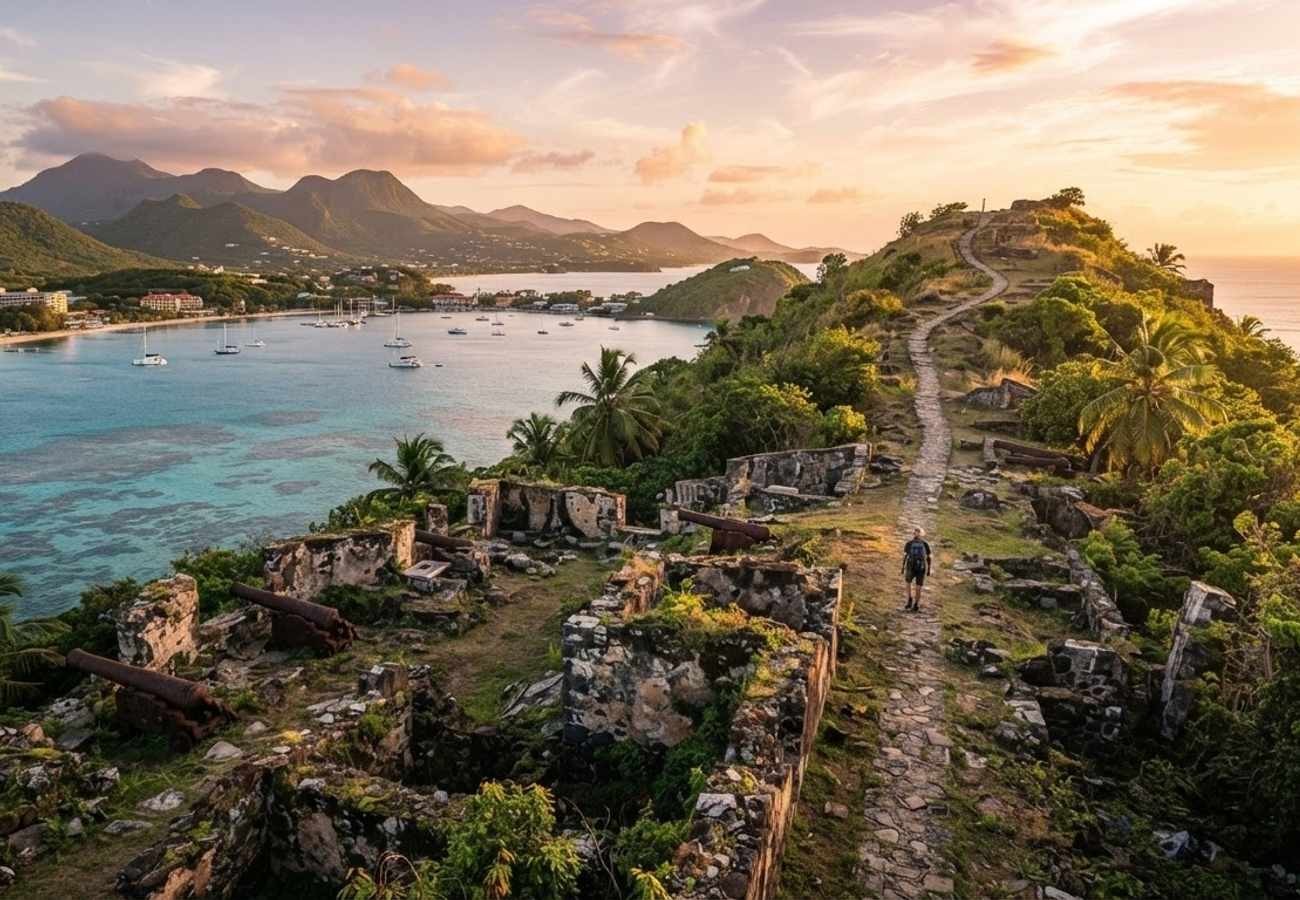
Image generated by AI
Pigeon Island National Landmark serves as a primary strategic hub for tourists in northern Saint Lucia, offering a concentrated blend of 18th-century military history and coastal recreation.
Located at the northern terminus of Rodney Bay, Pigeon Island is no longer a true island; a late 20th-century man-made causeway now connects the headland to the mainland near Gros Islet. Managed by the Saint Lucia National Trust, the site transitioned from a national park in 1979 to a national landmark in 1992.
For those based in the Rodney Bay Village resort area, the site is highly accessible, typically requiring only a 5 to 10 minute taxi ride. Most visitors allocate two to four hours to explore the grounds, making it an ideal half-day excursion for cruise passengers and resort guests alike.
Visitor Logistics and Entry Requirements
Access to the landmark is controlled via a main gate where entry fees are collected. Based on recent visitor data, the cost structure is as follows:
- Adult Entry: Approximately 10 to 15 US dollars (local equivalent).
- Reduced Rates: Available for children and residents.
- Payment Methods: Eastern Caribbean dollars are preferred; US dollar cash is widely accepted. Credit card acceptance is inconsistent; cash is strongly recommended.
- Operating Hours: Open from morning until late afternoon/early evening. Last entry is permitted before sunset.
Upon entry, visitors can obtain basic maps at the ticket office. Strict by-laws are in place to protect the ecosystem and ruins, specifically prohibiting camping, unauthorized fishing, and the removal of plants or artifacts.
Strategic Hiking: Fort Rodney and Signal Peak
The landmark's topography is defined by two primary elevations. While the hiking is gentle by regional standards, the heat and terrain require specific preparation.
Fort Rodney Named after British Admiral George Rodney, this site served as a critical lookout during 18th-century Anglo-French conflicts. The ascent from the main lawn takes 10 to 20 minutes via stone steps and clear paths. The site consists primarily of earthworks and ruins rather than restored buildings, providing views of Reduit Beach and the Rodney Bay marina.
Signal Peak (Signal Hill) The highest point on the island requires an additional 10 to 15 minute climb from Fort Rodney. This section is steeper and more exposed to the sun. On clear days, the summit provides a panoramic view extending to Martinique to the north and the open Caribbean to the west.
Coastal Recreation: Beaches and Snorkeling
Pigeon Island features two sheltered beaches that offer a more secluded alternative to the crowded Reduit Beach.
- Western Cove: Facing the open Caribbean, this sandy area is characterized by calm waters, making it suitable for families.
- Causeway Beach: A smaller, shallower beach facing Rodney Bay, often used for kayaking and stand-up paddleboarding.
Regarding underwater activity, the area is not a primary coral reef system. However, snorkeling along the rocky edges of the headland frequently reveals sea grass beds, tropical fish, and occasional rays. Due to inconsistent on-site rental options, visitors should bring their own masks and fins.
Terrain and Accessibility Analysis
The trail network is a combination of packed dirt, stone steps, and grassy slopes. While the round trip to both peaks typically takes under two hours, the following gear is recommended:
- Footwear: Closed shoes or sturdy sandals with grip (flip-flops are discouraged for Signal Peak).
- Equipment: Small daypack, water, and high-SPF sunscreen.
- Mobility: While the peaks are accessible to moderately fit adults and children, those with limited mobility can still access the lower lawns and coastal paths via available benches and shaded areas.
Transportation Data
Most visitors arrive from the Rodney Bay or Gros Islet districts.
| Transport Mode | Estimated Duration/Cost | Notes |
|---|---|---|
| Taxi (from Rodney Bay) | 5-10 Minutes / $10-$20 USD (one way) | Most efficient option for resort guests |
| Walking | Variable | Accessible via the Gros Islet side causeway |
A strategic balance of colonial military history and Caribbean ecology.
Related Travel Guides
Disclaimer
This article is for informational and educational purposes only. It does not constitute legal, financial, or professional advice. While we strive to provide accurate and up-to-date information, travel policies, regulations, and conditions change rapidly. Always verify information with official sources before making travel decisions. Nomad Lawyer makes no representations about the accuracy, reliability, completeness, or suitability of the information provided. Readers should consult qualified professionals for advice specific to their circumstances. The views expressed in this article are those of the author and do not necessarily reflect the views of Nomad Lawyer.
Preeti Gunjan
Contributor & Community Manager
A passionate traveller and community builder. Preeti helps grow the Nomad Lawyer community, fostering engagement and bringing the reader experience to life.
Learn more about our team →