
Philippines Just Got Michelin Restaurant: Tourism Shifting To Future-Proof Resilience and Diverse Culinary Heritage
Philippines Just Got Michelin Restaurant: Tourism Shifting To Future-Proof Resilience and Diverse Culinary Heritage

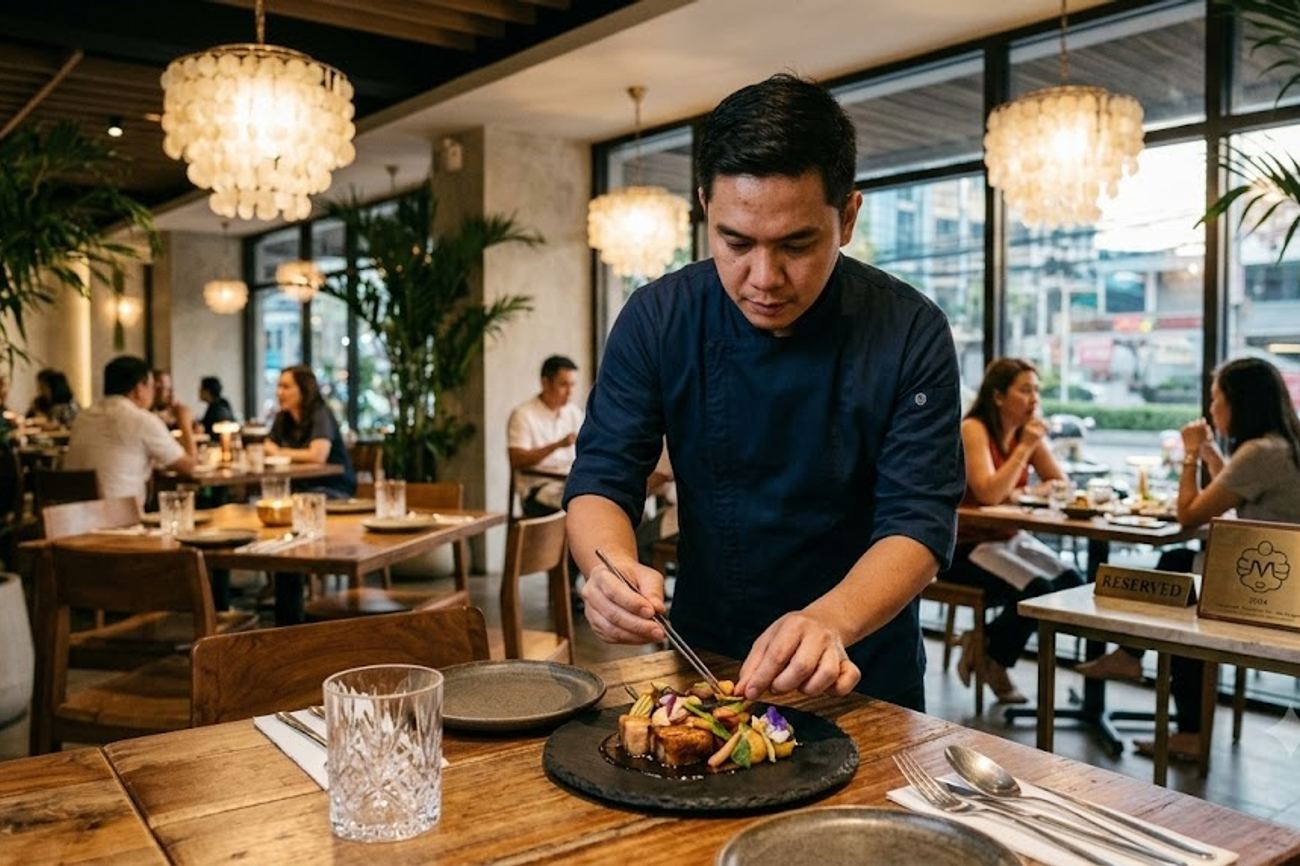
Image generated by AI
[Manila, October 2023] — The Philippines is aggressively pivoting its national tourism strategy toward "future-proof" resilience to counter global economic volatility and shifting geopolitical tensions. This strategic overhaul comes as the nation leverages its recent entry into the Michelin Guide to transition from a beach-centric destination to a global culinary powerhouse.
The shift is being driven by the Philippine Department of Tourism and national leadership to insulate the economy from external shocks, such as Middle East conflicts and European airspace restrictions that have increased travel times and fuel costs for Asian markets. By diversifying its appeal and updating administrative frameworks, the government aims to close the arrival gap between the Philippines and regional competitors including Thailand, Malaysia, Indonesia, and Singapore.
Geopolitical Volatility and Airspace Constraints
The immediate catalyst for this strategic pivot is the unprecedented instability within the international travel sector. Protracted geopolitical conflicts have created a ripple effect of economic volatility, specifically impacting flight logistics and operational costs. Restricted flight corridors across Europe and ongoing tensions in the Middle East have forced airlines to reroute, leading to longer journey times for travelers moving between Asia and the West.
Tourism officials warn that basic sustainability is no longer sufficient. The current mandate is "comprehensive resilience," meaning the destination must be able to withstand sudden external shocks—such as spikes in jet fuel prices or sudden diplomatic closures—without suffering total economic stagnation. The Department of Tourism (DOT) is now prioritizing agile operational models that allow the country to pivot its marketing and logistics in real-time as global headwinds shift.
Shifting Demographics and Market Volatility
The Philippines is witnessing a dramatic realignment of its primary source markets, driven largely by currency fluctuations and macroeconomic pressures in East Asia. For years, South Korea served as the top source of international visitors. However, recent currency depreciations have eroded the purchasing power of Korean travelers, leading them to seek destinations with more favorable exchange rates.
As a result, the United States has surged to become the leading source market for Philippine tourism. This shift has forced tourism attachés to recalibrate their promotional efforts, moving away from a reliance on a single East Asian powerhouse toward a more diversified portfolio of high-value visitors.
Market Impact Summary:
| Former Primary Market | Current Primary Market | Primary Driver of Change |
|---|---|---|
| South Korea | United States | Currency depreciation in KRW |
| Regional Focus | Global Diversification | Geopolitical instability/Airspace shifts |
| Beach/Leisure | Gastronomy/Culture | Michelin Guide recognition |
Practical Traveler Advisory and Strategic Insights
For the average traveler, these high-level policy shifts translate into several tangible changes in the ground experience and booking process:
1. Diversified Itineraries: Travelers will see a move away from "sun and sand" packages. There is a concerted effort to promote regional culinary tours, particularly focusing on the diverse flavor profiles of dishes like adobo, which vary significantly from the northern provinces to southern islands such as Bohol.
2. Value-Based Pricing: To attract visitors from volatile markets, the tourism sector is implementing more competitive pricing structures and "high-value" offerings. Travelers from East Asia may find more targeted promotions designed to offset currency losses.
3. Logistics Alerts: Because of the restricted European flight corridors mentioned by officials, travelers booking long-haul flights from Europe to Manila should expect longer transit times and potential fluctuations in airfare due to increased fuel consumption on rerouted paths.
4. Culinary Infrastructure: The influx of Michelin-recognized establishments means a higher standard of dining infrastructure is becoming available outside of the primary hubs of Manila and Cebu, encouraging "foodie" tourism in previously overlooked provinces.
Administrative Overhaul and Regional Competition
The Philippine government is currently executing a series of strategic administrative shifts to modernize how the country is marketed globally. This is a direct response to the fact that regional arrivals continue to lag behind Southeast Asian neighbors. The goal is to inject "fresh perspectives" into the developmental framework to ensure the Philippines does not stagnate while Thailand and Singapore continue to dominate the regional share.
Dr. Erwin Balane has emphasized that the industry must adapt to current global headwinds to remain viable. The philosophy is that if the Philippines does not evolve its administrative approach now, it will remain vulnerable to the next international crisis. This involves moving toward a more "agile" execution of policy, where the government can react quickly to inflation and geopolitical shifts.
The introduction of the Michelin Guide to the Philippines signals a strategic pivot toward high-value gastronomic tourism and cultural preservation. This evolution aligns with the broader promotional efforts of the Department of Tourism, which aims to diversify the country's appeal beyond traditional beaches to include world-class culinary destinations.
By integrating the prestige of the Michelin Guide with a more resilient administrative structure, the Philippines is attempting to create a "buffer" against the unpredictability of the global travel ecosystem. The focus is no longer just on attracting the highest number of tourists, but on attracting the most resilient types of tourism—those driven by cultural and culinary interests which tend to be more stable than purely leisure-based travel.
FAQ: Philippine Tourism Resilience 2023
Why is the Philippines focusing on food tourism now? The recent recognition of hundreds of local establishments by the Michelin Guide provides a prestigious, third-party validation of Filipino gastronomy. This allows the country to attract high-spending "culinary tourists" and reduce reliance on traditional beach tourism.
How do global conflicts affect flights to the Philippines? Conflicts in the Middle East and airspace restrictions in Europe have forced airlines to take longer routes. This increases fuel costs and total travel time for passengers flying between Asia and Western continents.
Who is the top visitor market for the Philippines currently? The United States has overtaken South Korea as the primary source of international visitors, largely due to currency depreciation in South Korea making other destinations more attractive to Korean citizens.
What does "future-proofing" tourism mean in this context? It means creating a tourism economy that can survive external shocks—like pandemics, wars, or economic crashes—by diversifying source markets, promoting diverse attractions (like gastronomy), and maintaining agile government leadership.
The Philippines is betting that a taste for local flavor can shield its economy from global instability.
Related Travel Guides
- US Leads Mexico and More Markets as Bogotá Expands Its Powerful 2026 Tourism and Aviation Network: All Details
- Flights Cancelled Across Asia As 165 Cancellations And 3,258 Delays Disrupted Kuala Lumpur, Dubai, And 20 Other Major Airports
- Canada Travel Rebounds as US Trips Rise for Fifth Month With Cross-Border Tourism Recovery
Disclaimer
This article is for informational and educational purposes only. It does not constitute legal, financial, or professional advice. While we strive to provide accurate and up-to-date information, travel policies, regulations, and conditions change rapidly. Always verify information with official sources before making travel decisions. Nomad Lawyer makes no representations about the accuracy, reliability, completeness, or suitability of the information provided. Readers should consult qualified professionals for advice specific to their circumstances. The views expressed in this article are those of the author and do not necessarily reflect the views of Nomad Lawyer.
Raushan Kumar
Founder & Lead Developer
Full-stack developer with 11+ years of experience and a passionate traveller. Raushan built Nomad Lawyer from the ground up with a vision to create the best travel and law experience on the web.
Learn more about our team →