
Philippine Airlines Launches Paid Status Match Offering Elite Benefits Through Mabuhay Miles: Insider Travel Guide
Philippine Airlines partners with StatusMatch to offer Mabuhay Miles Elite for $199 and Premier Elite for $349 valid through 2028 ahead of its 2027 oneworld entry.

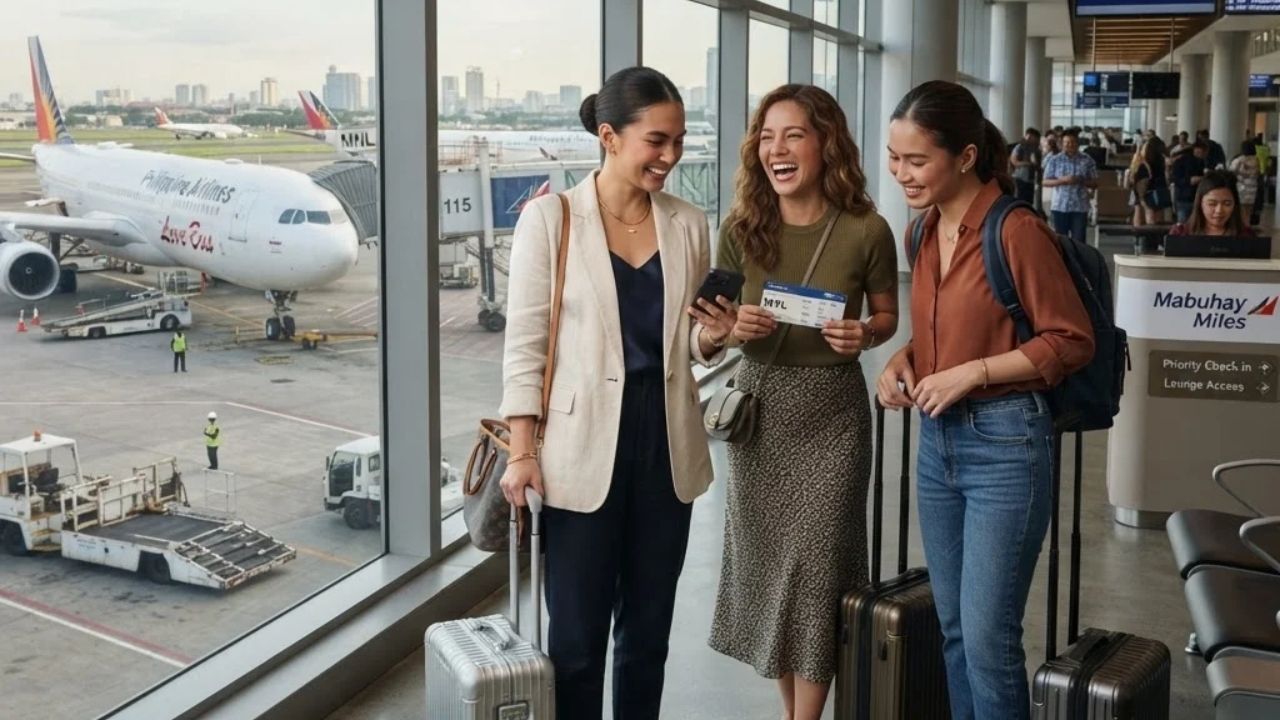
Image generated by AI
While earning airline frequent flyer status traditionally demands logging dozens of long-haul segments or spending thousands of dollars across a calendar year, Philippine Airlines has opened an unexpected back door—permitting travelers holding qualifying status with rival carriers to buy elite recognition outright for as little as $199, with benefits locked in through 29 February 2028. Offered in direct partnership with StatusMatch, the promotion provides instant entry into the flag carrier's Mabuhay Miles loyalty ecosystem, charging $199 for Mabuhay Miles Elite and $349 for Mabuhay Miles Premier Elite. With approvals processing within five business days, this paid campaign extends more than seventeen months of recognition across one of Southeast Asia's most complex archipelagic networks. For travelers preparing to explore the nation's 7,641 islands, the purchase represents far more than an elite plastic card: it delivers priority terminal navigation, relief from notoriously strict island baggage weight caps, and an early stake in the carrier's anticipated formal entry into the oneworld global alliance in 2027.
The Mabuhay Fast-Track: Inside the 2026 Status Match Architecture
The status match initiative highlights how regional carriers are actively competing for high-value international travelers ahead of major structural alliances. By teaming with StatusMatch, Philippine Airlines allows passengers who hold verified elite standing in eligible non-alliance and competing loyalty programs to bypass the standard tier-qualification flying thresholds. Instead of flying 25,000 to 45,000 tier miles within a single calendar year, applicants simply pay the upfront processing fee online.
The tier structure provides two distinct levels of membership, both guaranteed through 29 February 2028:
- Mabuhay Miles Elite ($199): Provides priority airport check-in at dedicated business-class counters, priority baggage handling, priority boarding ahead of general cabins, and an increased baggage allowance.
- Mabuhay Miles Premier Elite ($349): Delivers all standard Elite perks alongside premium seating selection, enhanced customer assistance, and elevated priority waiting lists.
However, travelers must note an explicit structural caveat: upgrade certificates that normally accompany earned Premier Elite status are excluded from this promotional status match. In addition, because Philippine Airlines does not currently belong to a global airline alliance, immediate benefits remain confined to flights operated directly by Philippine Airlines and its regional affiliate PAL Express. The broader value proposition hinges largely on the carrier's expected induction into the oneworld alliance in 2027. If completed as anticipated, matched members could gain reciprocal priority perks, international lounge entry, and baggage privileges across global alliance partners such as Cathay Pacific, Qantas, Japan Airlines, and Qatar Airways, depending on how Mabuhay Miles tiers map into oneworld Sapphire or Ruby classifications.
What Makes Island Aviation and Manila Transit Different
Air travel across the Philippine archipelago is unlike flying anywhere else in Asia. Comprising more than seven thousand islands separated by deep maritime straits and active volcanic chains, the country relies on commercial aviation as an indispensable national bridge. Yet navigating the primary international gateway—Ninoy Aquino International Airport (NAIA), operated by the Manila International Airport Authority—is famous for presenting logistical challenges.
NAIA's four passenger terminals are physically disconnected and scattered around the airfield perimeter without an automated airside train, requiring passengers making domestic connections to take surface taxis through notorious metropolitan traffic. In this environment, the priority check-in and dedicated security lines provided by Mabuhay Miles Elite status turn a grueling terminal ordeal into a manageable transition. When connecting to regional turboprop flights operated by PAL Express to outposts like Basco in Batanes, Busuanga in Coron, or Sayak in Siargao, regional aircraft enforce strict ten-kilogram to twenty-kilogram luggage restrictions. The supplementary baggage allowance granted to elite members frequently saves travelers hundreds of dollars in excess weight fees at regional check-in counters.
Stepping beyond the airport perimeter brings travelers into a vibrant cultural world. Just north of the terminal complex lies historic Intramuros, the centuries-old Spanish walled citadel that houses San Agustin Church, an architectural masterpiece recognized by the UNESCO World Heritage Centre. Across the Pasig River, Binondo thrives as the world's oldest Chinatown, established in 1594, where street vendors dish out piping-hot pork dumplings (siomai), steamed buns (siopao), and rich peanut-sauce noodles (pancit), celebrating the cultural synthesis promoted by the Tourism Promotions Board Philippines.
Visitor Insider Tips
Navigating the Philippine aviation network and island routes requires tactical planning, transport hacks, and cultural awareness.
- Never Book Sub-Three-Hour Terminal Transfers in Manila: When connecting from an international arrival at Terminal 1 to a domestic PAL departure at Terminal 2, never book an itinerary with a layover under three hours. Moving between terminals requires clearing arrival customs, collecting checked bags, and taking a shuttle or metered taxi through congested airport perimeter streets. A three-hour cushion ensures you can absorb ground traffic delays without missing your onward flight to the islands.
- Leverage Elite Baggage Allowances for Island Hops: Domestic routes operated by smaller De Havilland Dash 8-400 turboprops to island airstrips like Caticlan (Boracay) or Siargao enforce strict luggage dimensions and weight checks. Ensure your matched Mabuhay Miles Elite account number is attached to your reservation before check-in so your fee-free baggage allowance displays automatically on the agent's screen.
- Experience Binondo Street Food via Calesa: If you have an eight-hour daytime layover in Manila, take an airport car directly to Binondo Church. Hire a traditional horse-drawn carriage (calesa) or wander on foot through Ongpin Street. Sample authentic fried pork dumplings at Dong Bei Dumplings, followed by cold shaved-ice halo-halo layered with sweet ube purple yam, jackfruit, and evaporated milk.
- Master Local Etiquette and Hospitality: Filipino culture places immense importance on warmth, family connection, and mutual respect (bayanihan). When addressing service workers, elder hosts, or desk agents, use the polite honorifics "Po" and "Opo", or address individuals as "Sir" or "Ma'am". A courteous, smiling greeting will open doors and resolve flight delays far faster than raised voices.
- Carry Physical Cash for Provincial Environmental Fees: While Philippine Airlines accepts international credit cards, regional island airports and ferry piers in El Nido, Coron, and Bohol require all incoming tourists to pay cash environmental and municipal conservation fees (typically 200 to 500 Philippine Pesos) at physical arrival booths. Keep small peso bills readily accessible in your day pack.
Cultural and Environmental Context
The expansion of domestic aviation plays a double-edged role across the Philippine archipelago. On one hand, regular flights operated by Philippine Airlines deliver vital economic lifelines, connecting isolated fishing villages and farming provinces to national healthcare, education, and commerce. Ecotourism revenue directly funds community conservation ranger patrols across protected sanctuaries, including the Puerto-Princesa Subterranean River and the coral reefs of the Tubbataha Reefs Natural Park.
On the other hand, fragile island ecosystems face severe environmental strains from overtourism, plastic waste accumulation, and coastal development. The temporary six-month rehabilitation closure of Boracay in 2018 demonstrated the profound ecological costs of unmanaged tourist growth. Today, island communities enforce strict carrying capacity quotas, ban single-use plastic water bottles on municipal island-hopping outriggers (bancas), and require tourists to use reef-safe mineral sunscreen to prevent coral bleaching.
Responsible travelers can help protect these delicate island environments by treading thoughtfully. By supporting community-guided mangrove conservation tours, choosing locally owned family guesthouses, respecting local fishing curfews in marine sanctuaries, and utilizing airline loyalty benefits to explore second-tier cultural destinations rather than over-congested resort strips, visitors actively support the preservation of the maritime paradise they come to admire.
FAQ: Navigating Philippine Airlines and Travel 2026
What does the Philippine Airlines status match promotion include?
The program allows verified elite flyers from other airline programs to purchase Mabuhay Miles Elite status for $199 or Premier Elite status for $349, valid through 29 February 2028.
Are complimentary upgrade certificates included with the matched Premier Elite tier?
No. Upgrade certificates normally issued to members who earn Premier Elite status through flight miles are explicitly excluded from this paid promotion.
Can travelers access oneworld alliance lounges immediately after purchasing status?
No. Philippine Airlines is expected to join the oneworld alliance in 2027. Alliance reciprocal perks will only become active once the carrier formally enters the alliance.
How much layover time is needed for transfers between Manila airport terminals?
Travelers should allow a minimum of three to four hours for connections between NAIA terminals due to external road transfers, baggage collection, and security lines.
[Beyond the airport concourses and soaring over emerald archipelagos, traveling through the Philippines rewards those who trade haste for the enduring warmth of island life.]
Related Travel Guides
Disclaimer
This article is for informational and educational purposes only. It does not constitute legal, financial, or professional advice. While we strive to provide accurate and up-to-date information, travel policies, regulations, and conditions change rapidly. Always verify information with official sources before making travel decisions. Nomad Lawyer makes no representations about the accuracy, reliability, completeness, or suitability of the information provided. Readers should consult qualified professionals for advice specific to their circumstances. The views expressed in this article are those of the author and do not necessarily reflect the views of Nomad Lawyer.
Naina Thakur
Contributor & Travel Specialist
Travel enthusiast and legal writer covering visa regulations, responsible tourism, and cultural journeys across global destinations.
Learn more about our team →