Peru’s Los Órganos Offers Idyllic Beaches, Whale Watching And A Peaceful Alternative To Hawaii

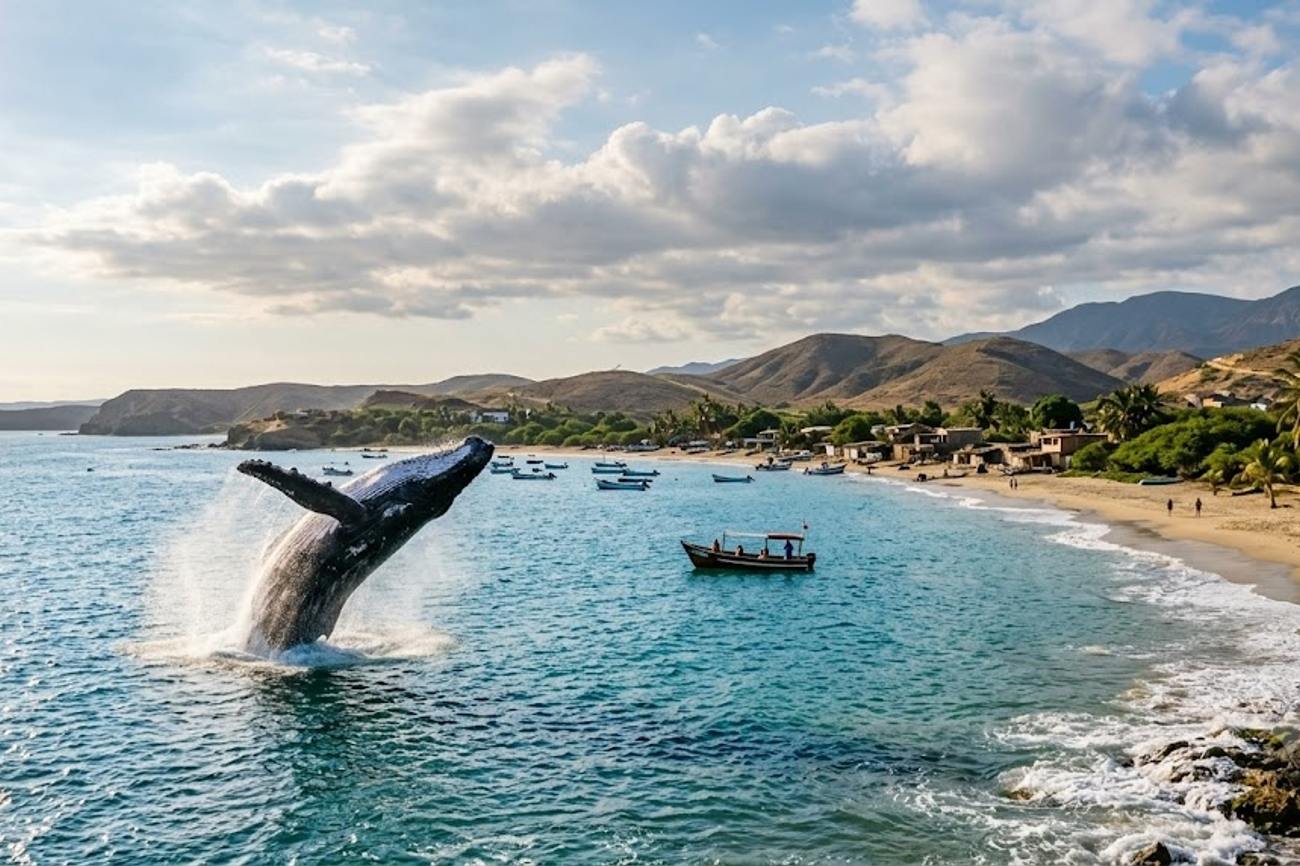
Image generated by AI
A seasonal migration window spanning from July to October transforms the coastline of northern Peru into a primary hub for humpback whale watching, positioning Los Órganos as a strategic alternative to saturated Pacific destinations like Hawaii. While the global travel market often funnels visitors toward established resort corridors, this fishing town in the Piura region leverages a specific biological calendar to attract nature-focused tourism. The shift toward "slow travel" in South America is evident here, where the infrastructure favors local fishing heritage over high-density hotel development, creating a distinct economic model based on seasonal wildlife patterns and surf tourism.
The Geopolitical and Logistical Framework of Piura
The emergence of Los Órganos as a viable international destination is not accidental but a result of its integration into the broader Peruvian transport network. The town is anchored by the Pan-American Highway, the primary arterial road that facilitates movement across the western coast of South America. This connectivity allows travelers to bridge the gap between the high-altitude cultural hubs of the Andes and the Pacific littoral.
For the nomad traveler, the appeal lies in the diversification of the Peruvian itinerary. Historically, the PromPerú initiatives have centered on the "Gringo Trail"—the circuit connecting Lima, Cusco, and Machu Picchu. However, the shift toward the Piura region indicates a market correction where visitors seek "de-tourism" experiences. By moving away from the archaeological centers, travelers are engaging with a different economic sector: the artisanal fishing industry. This transition from cultural tourism to ecological and leisure tourism suggests a broadening of Peru's brand identity on the global stage.
Coastal Asset Distribution and Activity Mapping
The logistical appeal of Los Órganos is distributed across three primary coastal zones, each serving a different traveler demographic. The lack of a centralized "resort district" means that visitor flow is fragmented, reducing the environmental pressure on any single stretch of beach.
| Beach Location | Primary Utility | Target Traveler Profile |
|---|---|---|
| Playa Los Órganos | General swimming and local commerce | Families and short-term visitors |
| Punta Veleros | Surf breaks and instructional water sports | Beginners and adventure seekers |
| Playa Vichayito | Low-density relaxation and palm-lined scenery | Luxury slow-travelers and couples |
The operational capacity of these beaches fluctuates based on oceanic conditions. For those utilizing FlightAware to track arrivals into nearby hubs like Talara or Piura, the final leg of the journey involves navigating local transport that is often less standardized than in Lima. This "last mile" logistical challenge acts as a natural filter, keeping the destination quieter than its Caribbean counterparts.
Expert Analysis: The Economics of Seasonal Wildlife Tourism
The reliance on the July-to-October humpback whale migration creates a volatile but high-value seasonal economy. For travelers booking this route, the direct consequence is a sharp divide in service availability and pricing. During the migration peak, boat operators and local guides experience a surge in demand, which often leads to a premium on excursions.
The pricing pressure this creates means that visitors arriving in November or June will find a vastly different town—one that is more affordable but lacks the primary biological draw. This creates a "boom-bust" cycle for local hospitality providers. From a legal and regulatory standpoint, the shift toward wildlife tourism necessitates a stricter adherence to marine protection laws. When travelers engage with boat operators, the lack of a centralized regulatory body in small towns means the onus of "responsible tourism" falls on the consumer to ensure operators maintain safe distances from the whales.
Furthermore, the surfing infrastructure at Punta Veleros represents a strategic entry point for the "surf-nomad" community. By offering beginner-friendly breaks, Los Órganos is capturing a market segment that typically bypasses Peru for Costa Rica or Indonesia. The cause-and-effect relationship is clear: by diversifying the activity set (whales + surfing + gastronomy), the region reduces its dependence on any single tourist demographic, thereby stabilizing the local economy against shifts in global travel trends.
Los Órganos, a coastal town in northern Peru, is gaining popularity as a tranquil beach destination, offering a serene alternative to crowded Hawaiian islands. To reach Los Órganos, travelers can fly into Talara Airport, which receives domestic flights from major Peruvian cities, and then take a taxi or bus to the town, as outlined on the official website of Corporación Aeroportuaria del Norte website. This airport authority provides essential information on flight schedules, airport facilities, and transportation options.
Key Takeaways
- Seasonal Window: Humpback whale watching is strictly limited to the July through October timeframe; visits outside these months should prioritize surfing or gastronomy.
- Strategic Access: The Pan-American Highway serves as the primary logistical link, making the Piura region accessible for those combining coastal visits with inland exploration.
- Zonal Specialization: Travelers should choose Punta Veleros for surfing, Playa Vichayito for seclusion, and Playa Los Órganos for general amenities.
- Culinary Integration: The local economy is deeply tied to artisanal fishing, making fresh ceviche and tiraditos the primary gastronomic draw.
- Risk Management: Water safety is variable; beginners are advised to utilize qualified local instructors at Punta Veleros rather than attempting independent surfing.
FAQ: Los Órganos Travel 2025
When is the best time to visit Los Órganos for wildlife? The peak window is between July and October. This coincides with the migration of humpback whales, which is the primary draw for nature-focused travelers. Outside these months, the focus shifts toward surfing and beach relaxation.
How do I get to Los Órganos from Lima? Most travelers fly into Piura or Talara and then use the Pan-American Highway via bus or private transport to reach the town. It is a significant distance from the capital, requiring planned logistics.
Is surfing in Los Órganos suitable for beginners? Yes, specifically at Punta Veleros. This area is recognized for beginner-friendly conditions, though it is strongly recommended to hire local instructors to navigate tides and safety protocols.
What are the primary food specialties in northern Peru? The region is famous for its fresh seafood, specifically ceviche and tiraditos. These dishes reflect the town's identity as a fishing community and utilize the immediate daily catch from the Pacific.
A strategic pivot from the Andes to the Atlantic's opposite edge reveals a Peru defined not by ruins, but by the rhythm of the tide.
Tags: Los Órganos, Piura Region, Humpback Whale Migration Peru, Punta Veleros Surfing, Peruvian Coastal Tourism
Related Travel Guides
This article is for informational purposes. Flight routes, passenger regulations, visa rules, and transit advisories are subject to change by airlines and aviation authorities. Readers are advised to verify schedules and travel documentation with relevant carriers and border agencies before departure.
Related Stories
The Best Things to Do in Vero Beach with Family: A Local Parent & Traveler's Guide

Phuket Luxury Tourism Surge 2026: High-Net-Worth Arrivals and New Aviation Routes