
PromPerú and MINCETUR Report $20 Million Inti Raymi Economic Impact as Sacred Valley Rail and Altitude Staging Optimize 2026 Travel
MINCETUR data reveals Inti Raymi generates $20M USD for Cusco as hybrid Sacred Valley trains cut emissions by 35% and structured staging reduces altitude sickness by 40%.

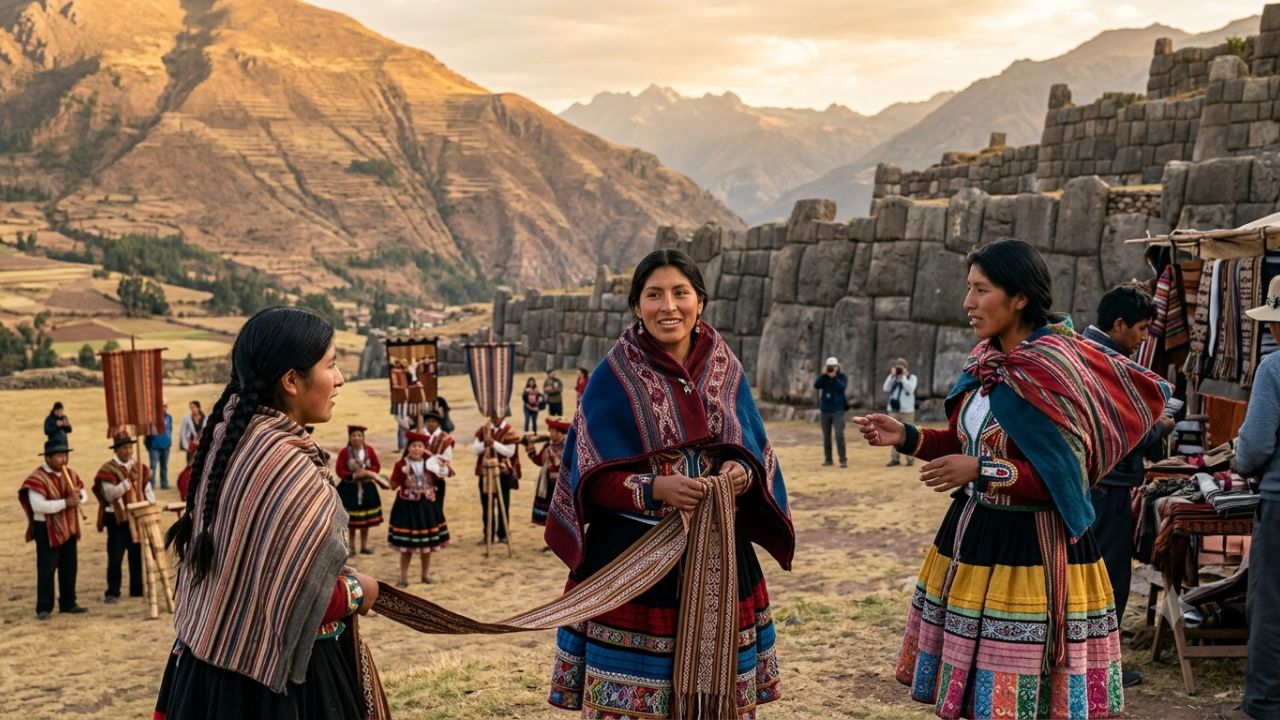
Image generated by AI
Official tourism data published by the Ministry of Foreign Trade and Tourism (MINCETUR) and PromPerú reveals that the annual Inti Raymi (Festival of the Sun) celebrations generate a $20 million USD economic boost across Cusco's hospitality, transportation, and dining sectors. Integrating hybrid rail transit through the Sacred Valley—which has reduced greenhouse gas emissions by 35%—with mandatory altitude acclimatization protocols that lowered Acute Mountain Sickness (AMS) incidents by 40%, regional authorities are setting global benchmarks for high-altitude heritage ecotourism.
Operating across high-elevation transit corridors between Lima, the Sacred Valley, and Cusco, state agencies and private operators are coordinating visitor caps, community revenue sharing, and carbon-offset reforestation to ensure long-term archaeological preservation.
PERU HIGH-ALTITUDE HERITAGE & TRANSIT ARCHITECTURE
| Column 1 |
|---|
| [ Entry Gateway: Lima (0m) ---> Sacred Valley Staging (Urubamba 2,870m / 24h) ] |
| +---> Ascent to Cusco (3,399m / 48h Staging) & Sacsayhuaman (3,700m / 72h) |
| +---> Hybrid Sacred Valley Rail: -35% CO2 Emissions (Vistadome Service) |
| v |
Macroeconomic Performance and Inti Raymi Festival Economics
According to official MINCETUR datasets, the annual June Inti Raymi festival period serves as the primary economic driver for southern Peru. The festival generates an estimated $20 million USD in direct visitor spending across lodging, transport, and food services in the City of Cusco.
Key fiscal and operational indicators shaping the festival season include:
- Local Spending Capture: Independent tour guides, native artisans, and local micro-enterprises capture roughly 42% of total direct festival expenditure.
- Peak Lodging Occupancy: Direct hotel occupancy across Cusco reaches 96% capacity during the central week of Inti Raymi celebrations.
- Aviation Arrival Surges: Daily flight arrivals at Alejandro Velasco Astete International Airport (CUZ) in Cusco surge by 30%, averaging around 50 incoming flights per day.
- Festival Attendance: More than 64,000 international and domestic tourists attend central festival events held across Qorikancha, the Plaza de Armas, and the Sacsayhuaman fortress.
INTI RAYMI FESTIVAL ECONOMIC IMPACT (JUNE SEASON)
| Column 1 |
|---|
| Direct Regional Spending Impact: $20 Million USD |
| Local Micro-Enterprise & Artisan Capture: 42% of Direct Spending |
| Cusco Hotel Occupancy Peak: 96% Capacity |
| Alejandro Velasco Astete Airport (CUZ) Daily Flights: 50 Flights/Day (+30% Surge) |
| Total Festival Attendees: >64,000 International & Domestic Travelers |
High-Altitude Acclimatization Protocols and AMS Risk Mitigation
Navigating high-altitude Andean terrain requires structured acclimatization sequences to prevent Acute Mountain Sickness (AMS). Modern travel itineraries engineered by regional tour operators enforce a mandatory staging window, allowing the human body to adjust progressively to reduced atmospheric pressure:
- Lima (0 meters / Sea Level): Baseline oxygen saturation ranges between 98% and 100%, requiring zero physical adaptation.
- Sacred Valley Staging (Urubamba 2,870 meters / Ollantaytambo 2,792 meters): Travelers proceed directly from Cusco Airport to lower-elevation Sacred Valley sanctuaries for a mandatory 24-hour acclimatization period.
- Cusco Staging (3,399 meters): Ascending to Cusco requires a 48-hour adaptation window before participating in strenuous urban walking tours.
- Sacsayhuaman & High Passes (3,700+ meters): Requires 72 hours of total cumulative preparation before engaging in demanding physical trekking.
Synchronizing digital train ticketing with mandatory rest stops in Urubamba and Ollantaytambo has achieved a 40% decline in reported AMS incidents among international visitors.
Sustainable Transit Architecture and Vistadome Rail Operations
Rail transport traversing the Sacred Valley toward Machu Picchu incorporates eco-friendly engineering upgrades. Modern hybrid locomotives operating along the narrow-gauge lines feature automated engine tuning and acoustic damping technology, lowering greenhouse gas emissions by 35% across high-elevation transit routes.
Panoramic Vistadome train services (operated by PeruRail and Inca Rail) provide glass-roofed passenger carriages, combining low-emission transit with educational cultural commentaries and native culinary tastings.
Archaeological Conservation and Visitor Daily Attendance Caps
To prevent physical erosion of ancient stone terraces at UNESCO World Heritage sites, national conservation authorities under the Ministry of Culture enforce strict daily attendance limits:
- Machu Picchu Daily Caps: Regulated at 5,600 visitors daily during peak summer season, tightening to 4,500 daily passes during off-peak months.
- Advance Reservation Requirements: High demand requires international travelers to secure admission passes 6 to 8 months prior to arrival.
- Conservation Reinvestment: A dedicated percentage of every entry ticket fee directly finances ongoing structural conservation, geological monitoring, and archaeological research across Sacsayhuaman and Machu Picchu.
Comparative High-Altitude and Economic Metrics Breakdown
The tables below provide a complete summary of high-altitude staging guidelines, Inti Raymi financial indicators, and archaeological visitor management parameters:
Table 1: High-Altitude Acclimatization and Staging Protocol
| Staging Location | Elevation (Meters) | Oxygen Saturation | Recommended Adaptation Window | AMS Risk Level |
|---|---|---|---|---|
| Lima (Capital Gateway) | 0 m (Sea Level) | 98% – 100% | 0 Hours (Immediate Transit) | Baseline (Zero Risk) |
| Urubamba (Sacred Valley) | 2,870 m | ~92% | 24 Hours Mandatory Staging | Low Risk |
| Ollantaytambo | 2,792 m | ~93% | 24 Hours Staging | Low Risk |
| Cusco City | 3,399 m | ~87% | 48 Hours Adaptation Window | Moderate Risk |
| Sacsayhuaman Fortress | 3,700 m | ~84% | 72 Hours Total Preparation | High Risk (Strenuous) |
Table 2: Inti Raymi Festival Economic & Operational Indicators
| Economic / Operational Indicator | Measured Value | Impact Sector | Primary Beneficiary |
|---|---|---|---|
| Direct Regional Revenue Boost | $20 Million USD | Hospitality, Transport & Dining | Regional Cusco Economy |
| Local Artisan Spending Share | 42% of Direct Spending | Micro-Enterprises & Guides | Native Artisans & Independent Guides |
| Cusco Peak Hotel Occupancy | 96% Capacity | Accommodations | Hotels & Guesthouses |
| CUZ Airport Flight Arrivals | 50 Flights/Day (+30% Surge) | Aviation Transit | Commercial Airlines & Taxis |
| Total Festival Attendance | >64,000 Visitors | Cultural Tourism | Event Operations & Local Merchants |
Table 3: Archaeological Conservation & Transit Specifications
| Site / Transit Corridor | Operational Parameter | Conservation Rule / Output | Policy Objective |
|---|---|---|---|
| Machu Picchu Citadel | Daily Visitor Cap | 5,600 (Peak) / 4,500 (Off-Peak) | Prevent stone terrace erosion |
| Ticket Reservation Window | Advance Booking | 6 to 8 Months Prior to Flight | Regulate visitor flow & crowding |
| Sacred Valley Rail Line | Locomotive Technology | Hybrid (-35% CO2 Emissions) | Lower high-altitude carbon footprint |
| Chinchero Weaving Co-ops | Direct Sales Growth | +65% Revenue During Tours | Sustain rural artisan livelihoods |
| Community Fund Allocation | Tour Revenue Share | 15% Reinvested in Villages | Fund rural schools & water filtration |
Indigenous Artisan Preservation and Agricultural Gastronomy in Chinchero and Moray
Structured heritage itineraries extend financial benefits directly into rural Andean communities. In Chinchero, native weaving cooperatives experience an average 65% increase in direct handicraft sales when guided tours include hands-on weaving demonstrations utilizing natural plant dyes and alpaca wool.
Under regional community tourism guidelines:
- Community Development Fund: 15% of all tour operator package revenue is allocated to rural community development funds, financing primary schools, clean water filtration systems, and cultural preservation centers.
- Agritourism at Moray: Near the circular agricultural terraces of Moray, agricultural research centers cultivate over 3,000 unique native potato varieties and 35 distinct strains of heirloom corn.
- Native Culinary Experiences: Authentic earth-oven pachamanca meals introduce travelers to pre-Columbian cooking techniques using superheated river stones. Industry surveys reveal that 88% of international luxury travelers rank authentic culinary experiences as a primary driver of trip satisfaction.
Carbon Offset Reforestation and Long-Term Market Forecasts
Long-distance international travel to Peru involves proactive environmental stewardship. Transcontinental flights to Lima produce an estimated 1.2 metric tons of CO2 per passenger. To offset emissions, regional tourism alliances invest in high-altitude watershed reforestation:
- Polylepis Tree Planting: Each luxury booking contributes directly to planting 10 native Polylepis trees in high-elevation Andean watersheds.
- Forest Restoration Total: Regional initiatives have restored over 250 hectares of degraded mountain forest over the last five years.
- Traveler Participation: Approximately 60% of international visitors voluntarily select carbon-offset add-ons during trip booking.
- Market Outlook: Market forecasts project a 7.8% Compound Annual Growth Rate (CAGR) for premium cultural travel through 2030, driven by visitors from North America (45%), Western Europe (35%), and Asia-Pacific (20%).
Traveler Logistics Guide: Cusco, Sacred Valley, and Inti Raymi Transit
Independent travelers and tour operators managing high-altitude Peru itineraries can optimize health and transit efficiency using the following guidelines:
PERU HERITAGE & ALTITUDE TRANSIT LOGISTICS GUIDE
| [ Gateway Arrival: Lima (LIM) ---> Connect to Cusco (CUZ - 50 Daily Flights) ] |
|---|
| +---> Step 1: Immediate Vehicle Transfer to Urubamba / Ollantaytambo (24h) |
| +---> Step 2: Book Vistadome Train to Machu Picchu (6-8 Months Advance) |
| +---> Step 3: Ascend to Cusco (3,399m) for Inti Raymi Festivities (48h) |
| +---> Step 4: Health Protocol - Hydration, Soroche Medication, Coca Tea |
Aviation Gateways & Flight Transfers
- Lima (LIM) Connection: Transcontinental flights land at Jorge Chávez International Airport (LIM). Connect directly to domestic flights to Cusco.
- Cusco (CUZ) Arrival: Alejandro Velasco Astete International Airport handles 50 daily flights during the June festival peak. Pre-arrange airport transfers to avoid curb congestion.
Recommended Altitude Staging Route
To prevent Acute Mountain Sickness (AMS), follow this recommended route sequence:
- Land at CUZ Airport (3,399m): Immediately board private ground transport descending to Urubamba (2,870m) or Ollantaytambo (2,792m) in the Sacred Valley.
- Sacred Valley Staging (Days 1–2): Relax in Urubamba for 24–48 hours. Explore Chinchero weaving co-ops and Moray agricultural terraces.
- Machu Picchu Excursion (Day 3): Board the Vistadome train from Ollantaytambo to Aguas Calientes. Explore the citadel within your reserved morning or afternoon ticket slot.
- Ascend to Cusco (Days 4–6): Return to Cusco (3,399m) for urban tours, Qorikancha, and the June 24 Inti Raymi festival at Sacsayhuaman (3,700m).
Inti Raymi Festival Seating & Tickets
The central Inti Raymi celebrations take place annually on June 24 across three main venues:
- Qorikancha (Temple of the Sun): Morning ceremony starting at 9:00 AM (standing free areas and limited press zones).
- Plaza de Armas: Midday procession (free public viewing; early arrival required by 8:00 AM).
- Sacsayhuaman Tribune Seating: Main afternoon theatrical ceremony starting at 1:30 PM. Reserved seating in Orange, Blue, or Green tribunes must be booked 6 months in advance through EMUFEC (Municipal Company of Festivities of Cusco).
Health Essentials
Maintain high hydration levels, drink traditional coca tea (mate de coca), consider physician-prescribed acetazolamide (Soroche medication), and avoid alcohol and heavy meals during the first 48 hours at high elevation.
Infrastructure Impact and Heritage Ecotourism Sustainability in Southern Peru
Integrating hybrid rail technology (-35% CO2), regulated daily caps at Machu Picchu (5,600 visitors), and 15% community revenue share establishes a sustainable economic model for southern Peru. By aligning high-altitude health staging with indigenous artisan support, regional tourism authorities preserve ancient stone monuments while ensuring local communities thrive.
Official destination updates and regional travel guidelines are published by PromPerú.
FAQ: Peru Inti Raymi & Sacred Valley Tourism 2026
What is the economic impact of the Inti Raymi festival in Cusco?
The annual Inti Raymi festival in June generates an estimated $20 million USD boost for Cusco's economy, with local artisans, guides, and micro-enterprises capturing 42% of direct spending.
What is the daily visitor limit at Machu Picchu?
Machu Picchu daily entrance caps are set at 5,600 visitors during peak season and 4,500 visitors during off-peak season, requiring tickets to be booked 6 to 8 months in advance.
How can travelers avoid altitude sickness when visiting Cusco?
Travelers should land in Cusco and proceed immediately to lower-elevation Sacred Valley towns (Urubamba at 2,870m) for 24 to 48 hours of acclimatization before ascending back to Cusco (3,399m).
How do hybrid trains support environmental sustainability in the Sacred Valley?
Modern hybrid locomotives feature automated engine tuning and acoustic damping, reducing greenhouse gas emissions by 35% along Sacred Valley rail lines.
Related Travel Guides
Disclaimer
This article is for informational and educational purposes only. It does not constitute legal, financial, or professional advice. While we strive to provide accurate and up-to-date information, travel policies, regulations, and conditions change rapidly. Always verify information with official sources before making travel decisions. Nomad Lawyer makes no representations about the accuracy, reliability, completeness, or suitability of the information provided. Readers should consult qualified professionals for advice specific to their circumstances. The views expressed in this article are those of the author and do not necessarily reflect the views of Nomad Lawyer.
Kunal K Choudhary
Co-Founder & Contributor
A passionate traveller and tech enthusiast. Kunal contributes to the vision and growth of Nomad Lawyer, bringing fresh perspectives and driving the community forward.
Learn more about our team →