
Peru High-Altitude Rail and Sacred Valley Transit Networks Transform Heritage Logistics with Digital Ticketing and 35 Percent Emission Reductions

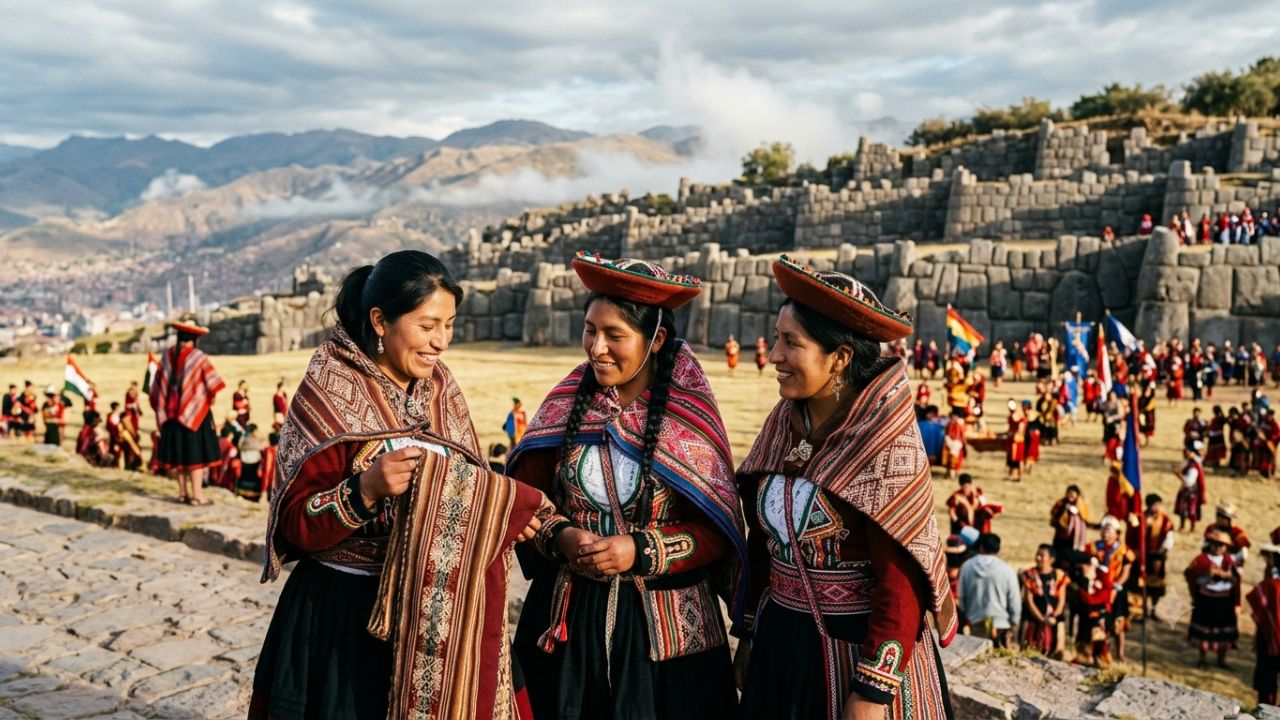
Transit authorities and rail operators across Peru's southern mountain corridor have introduced modernized hybrid train fleets, synchronized digital ticketing systems, and strict altitude-staging protocols to manage expanding visitor volumes while protecting high-altitude Andean environments. The operational upgrades align public transit schedules with visitor caps at world heritage sites, reducing rail emissions by 35 percent and lowering altitude sickness incidents among international travelers by 40 percent.
Regional transport infrastructure throughout the Sacred Valley of the Incas and Cusco has undergone a structural modernization program designed to support sustainable heritage itineraries. By integrating automated engine tuning, acoustic damping technology, and synchronized multi-modal transfer schedules, Andean rail systems are creating a new baseline for high-elevation eco-tourism and regional passenger transit.
Modernizing Andean Mountain Rail Networks with Hybrid Locomotives
Traversing steep mountain topography between Cusco, the Sacred Valley, and Machu Picchu requires specialized rolling stock capable of operating efficiently at extreme elevations. Rail operators servicing the Sacred Valley corridor have deployed hybrid locomotives featuring automated engine tuning and advanced acoustic damping systems. These engineering refinements optimize fuel consumption in thin-atmosphere conditions, resulting in a 35 percent reduction in greenhouse gas emissions across mountain rail routes.
In parallel with rolling stock improvements, transport authorities have overhauled the digital ticketing framework servicing Cusco (elevation 3,400 meters) and surrounding heritage circuits. Digital platforms now synchronize passenger train bookings with mandatory staging stops in lower-elevation hubs such as Urubamba (2,870 meters) and Ollantaytambo. By structuring itineraries to enforce gradual physiological adjustment, regional operators have recorded a 40 percent drop in Acute Mountain Sickness (AMS) incidents among inbound long-haul passengers.
High-Altitude Transit Schedule and Route Specifications
The integrated transport network spans coastal aviation gateways, high-altitude rail connections, and micro-transit shuttles connecting urban hubs to historic sanctuaries.
| Transit Corridor / Segment | Primary Vehicle Type | Elevation Parameters | Operational Focus / Key Metric | Pass Booking Lead Time |
|---|---|---|---|---|
| Lima Coastal Gateway | International Aircraft / Ground Fleet | 0 meters (Sea Level) | Entry point; baseline $O_2$ saturation (98%–100%) | Standard Flight Booking |
| Alejandro Velasco Astete Airport (CUZ) | Commercial Aviation | 3,399 meters | Handles ~50 daily flights (+30% peak surge) | 3–6 Months Prior |
| Cusco Staging Hub | Urban Transit & Tour Shuttles | 3,400 meters | Mandatory 48-hour atmospheric adjustment | Advance Group Slot |
| Sacred Valley (Urubamba Sanctuary) | Regional Rail & Coach Transfers | 2,870 meters | 24-hour AMS mitigation staging zone | Integrated Rail Ticket |
| Ollantaytambo to Machu Picchu Pueblo | Panoramic Vistadome Hybrid Train | 2,870m to 2,430m | 35% emission reduction via hybrid drive | 6–8 Months Prior |
| Machu Picchu Citadel Transit | Regulated Access Shuttles / Footpath | 2,430 meters | Peak daily cap: 5,600; Off-peak daily cap: 4,500 | 6–8 Months Prior |
| Sacsayhuaman Circuit | Mountain Road Shuttles | 3,700 meters | Requires 72-hour total adaptation before hiking | Included in City Pass |
Traveler Logistics Guide for Andean High-Altitude Connections
Navigating multi-modal connections across Peru's southern highlands requires advance planning, strict adherence to health protocols, and coordination between air and rail schedules.
Peru is modernizing its high-altitude transit corridors to better manage the flow of visitors traveling toward Machu Picchu. These infrastructure upgrades are coordinated through the PromPerú official tourism board to ensure sustainable growth in the Sacred Valley.
Altitude Staging and Health Adaptation Timelines
- Sea Level (Lima - 0 meters): Travelers maintain baseline blood oxygen saturation levels between 98 percent and 100 percent. Zero staging time required.
- Sacred Valley Staging (Urubamba - 2,870 meters): Itineraries should route passengers directly from Alejandro Velasco Astete International Airport to Urubamba or Ollantaytambo for a minimum 24-hour acclimatization window, significantly decreasing AMS risk before physical exertion.
- Urban Elevation Adaptation (Cusco - 3,399 meters): A mandatory 48-hour staging period is required before engaging in extensive walking tours within the historic center.
- High Sanctuary Trails (Sacsayhuaman - 3,700 meters): Allocate 72 hours of total regional preparation prior to undertaking demanding mountain hikes or physical excursions at elevations exceeding 3,500 meters.
Rail Connection & Ticketing Regulations
- Ticketing Lead Times: Admission passes for Machu Picchu and synchronized Vistadome train seats must be secured 6 to 8 months in advance due to strict daily entry caps (5,600 daily passes during peak season; 4,500 during off-peak periods).
- Luggage Constraints on Mountain Trains: Hybrid rail services enforce strict baggage weight limits (typically 5 kg / 11 lbs per passenger). Main luggage must be checked at secure storage facilities in Cusco or Ollantaytambo prior to boarding.
- Digital Transit Passes: Ensure all rail transfers, national park entry QR codes, and passport identifiers match exactly. Rail conductors verify digital passes against physical identification at all boarding gates.
Structural Visitor Management and Archaeological Preservation Benchmarks
To safeguard stone structures at Machu Picchu and Sacsayhuaman against physical erosion, Peru's Ministry of Culture and National Transport Authorities enforce strict visitor caps and designated circuit movement systems. Peak-season entry at Machu Picchu is restricted to 5,600 visitors per day, while off-peak capacity is capped at 4,500 daily passes.
Ticket sales directly sustain long-term site preservation. A dedicated percentage of every admission fee is transferred to conservation funds responsible for continuous structural monitoring, geological stabilizing work, and ongoing archaeological research across the Sacred Valley. Timed entry slots spaced throughout the day ensure even passenger distribution, eliminating bottlenecks on narrow stone staircases and mountain terraces.
Macroeconomic Impact and Indigenous Community Support
Peak cultural events, most notably the annual June Inti Raymi (Festival of the Sun) celebrations in Cusco and Sacsayhuaman, generate substantial economic activity across southern Peru. During the festival window, the regional economy receives an estimated $20 million USD injection across lodging, dining, and transit operations.
- Aviation Activity: Daily flight arrivals at Alejandro Velasco Astete International Airport (CUZ) surge by 30 percent, averaging approximately 50 incoming flights per day.
- Hospitality Rates: Direct hotel occupancy across Cusco reaches 96 percent capacity during peak Inti Raymi week.
- Festival Attendance: Over 64,000 international and domestic visitors gather across Cusco's historic center and Sacsayhuaman during the festival.
- Local Revenue Share: Micro-enterprises, independent tour guides, and native artisans capture approximately 42 percent of total direct tourist spending.
In rural mountain communities like Chinchero, known for centuries-old hand-weaving traditions, structured heritage itineraries featuring live weaving demonstrations yield an average 65 percent increase in direct textile sales for indigenous cooperatives. Furthermore, regional regulations dictate that 15 percent of all tour operator revenue be funneled into local community development funds, financing rural primary schools, clean water filtration systems, and cultural preservation hubs throughout the Sacred Valley.
The transition to digital ticketing and streamlined rail logistics aims to reduce congestion and lower carbon footprints by 35 percent. Travelers are encouraged to coordinate their arrivals via the Jorge Chávez International Airport, the primary gateway for international transit into the region.
Environmental Forestry Offsets and Transcontinental Aviation Logistics
Long-distance international travel to South American heritage hubs carries a measurable environmental footprint. Transcontinental flights linking global aviation hubs to Lima generate approximately 1.2 metric tons of CO2 per passenger.
To counter these aviation emissions, regional authorities and private travel operators have implemented targeted environmental initiatives:
- Reforestation Contributions: Each luxury tour booking funds the planting of 10 native Polylepis trees within high-elevation watershed zones.
- Forest Restoration: Reforestation programs have successfully restored over 250 hectares of degraded Andean mountain forest over the past five years.
- Voluntary Offset Adoption: Approximately 60 percent of international passengers elect to purchase voluntary carbon-offset options during package bookings.
Long-term forecasts point to sustained growth in South American heritage travel, projecting a 7.8 percent Compound Annual Growth Rate (CAGR) for premium cultural travel through 2030. Industry data shows inbound market demand is led by North America (45 percent), Western Europe (35 percent), and the Asia-Pacific region (20 percent), driving continued public and private investment in low-emission transit infrastructure across Peru's high Andean corridors.
FAQ: Peru High-Altitude Rail and Sacred Valle 2026
How do I purchase tickets for the updated rail network? All tickets are now available via digital platforms. Travelers should use the official mobile app or website to secure bookings, eliminating the need for physical ticket offices at stations.
Enhanced heritage logistics are designed to protect fragile archaeological sites while improving the passenger experience. These initiatives align with the cultural preservation standards overseen by the Ministry of Culture of Peru, ensuring that increased accessibility does not compromise site integrity.
Are there more sustainable travel options in the Sacred Valley? Yes. The transit network has implemented new eco-friendly initiatives, resulting in a 35 percent reduction in emissions, making rail and shuttle transfers significantly greener than traditional private transport.
Will digital ticketing be required for all heritage site transfers? Yes. To streamline logistics and reduce congestion, digital ticketing is the standard for rail and transit networks connecting major heritage sites across the Sacred Valley.
How has the transit experience improved for 2026? Travelers will experience reduced wait times and more efficient boarding processes thanks to integrated digital logistics and modernized high-altitude rail infrastructure.
Related Travel Guides
The 10 Best High Speed Rail Journeys and Luxury Trains in South America, According To Reddit
Disclaimer
This article is for informational and educational purposes only. It does not constitute legal, financial, or professional advice. While we strive to provide accurate and up-to-date information, travel policies, regulations, and conditions change rapidly. Always verify information with official sources before making travel decisions. Nomad Lawyer makes no representations about the accuracy, reliability, completeness, or suitability of the information provided. Readers should consult qualified professionals for advice specific to their circumstances. The views expressed in this article are those of the author and do not necessarily reflect the views of Nomad Lawyer.
Kunal K Choudhary
Co-Founder & Contributor
A passionate traveller and tech enthusiast. Kunal contributes to the vision and growth of Nomad Lawyer, bringing fresh perspectives and driving the community forward.
Learn more about our team →