
Peru Desert Tourism Gets a Stunning Makeover With Private Camps, Real Beds and Sunrise to Sunset Experiences
Peru Desert Tourism Gets a Stunning Makeover With Private Camps, Real Beds and Sunrise to Sunset Experiences

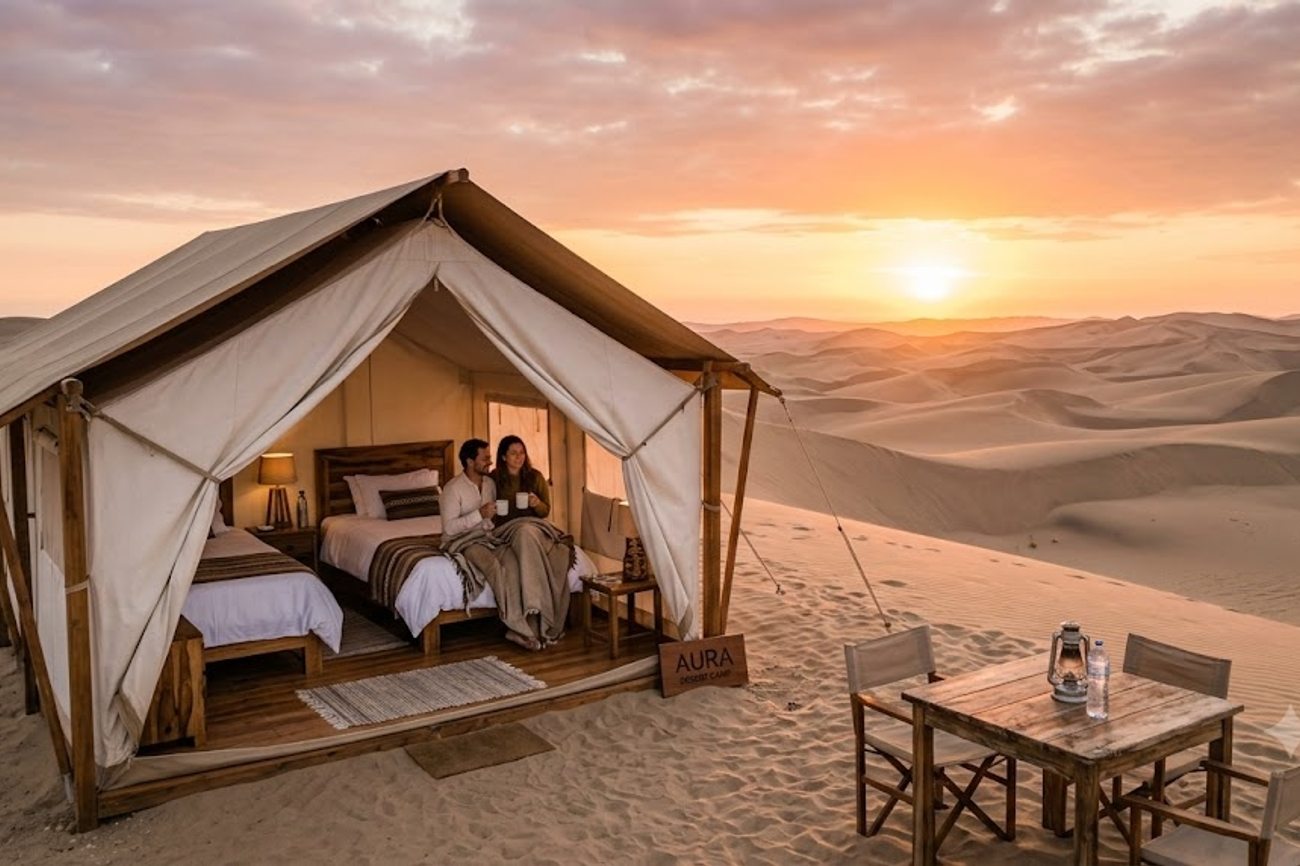
Image generated by AI
Most travelers treat the Peruvian desert as a fleeting backdrop—a quick drive between coastal towns or a two-hour buggy ride through the dunes. However, a shift toward immersive, private residency in the sands is changing the rhythm of the region, replacing hurried sightseeing with sunrise-to-sunset stays in custom-engineered camps.
The Shift Toward Immersive Desert Residency
For decades, the arid stretches of the Ica region and Paracas were viewed as transit zones or sites for adrenaline-fueled activities. The current trend, however, is moving away from the "hit-and-run" style of tourism. We are seeing the rise of a personalized model where the desert is not just a place to visit, but a place to inhabit. This evolution is being led by specialists like Adrenalena, who are leveraging 31 years of operational history to move beyond the standard tour package.
The core of this change is the transition to private circuits. Instead of crowded convoys of tourists, the focus has shifted toward exclusivity. These circuits are designed specifically for a select group of passengers and long-term agency partners, ensuring that the silence of the desert remains intact. By removing the crowds, the experience transforms from a tourist attraction into a meditative engagement with one of the most extreme environments on earth.
What Makes the Paracas Desert Experience Different
The Peruvian desert is not a monolithic expanse of sand; it is a complex intersection of coastal fog, volcanic soil, and towering dunes. What differentiates the current luxury camping movement here is the rejection of "roughing it." The industry is moving toward a hybrid of rugged exploration and architectural intentionality.
The distinction lies in the hardware of the stay. Forget the thin nylon tents and foam sleeping mats found in budget expeditions. The new standard involves purpose-built accommodations designed to solve the specific frustrations of desert camping. For instance, the tents are engineered with high-clearance entrances, meaning guests can enter and exit standing upright without the constant need to crouch or bend—a small detail that fundamentally changes the feeling of the space from a "tent" to a "room."
Inside, the experience is anchored by proper beds, removing the physical toll of overnighting in the wild. To bridge the gap between isolation and modernity, these camps utilize solar-powered systems. This allows for interior lighting and the ability to charge mobile devices, ensuring that while you are miles from the nearest town, you aren't disconnected from the world. This balance allows travelers to witness the transition of light—from the deep purples of a desert sunrise to the gold of a sunset—without sacrificing the basic comforts of a hotel.
For those planning a trip to this region, coordinating through the PromPerú official portal is the best way to understand the seasonal shifts in the Ica region, as the coastal humidity can vary wildly.
Visitor Insider Tips
Having spent significant time navigating the rhythms of the Peruvian coast, I can tell you that the desert demands a specific kind of preparation. To truly enjoy a private camp experience, you need to look beyond the itinerary.
Timing the Light The magic of the desert happens in the "blue hour"—the period just before sunrise and just after sunset. If you are staying in a private camp, arrange your activities so you are already stationary in the dunes by 5:00 PM. The temperature drops sharply once the sun dips, and the wind patterns shift. Being settled in your camp before the transition allows you to experience the silence that only comes when the day-trippers have returned to their hotels.
The Gear Gap Even with luxury tents and proper beds, the desert is an environment of extremes. The solar-powered lighting is great for your phone, but you will want a high-quality headlamp for midnight walks under the stars. Dress in layers; the "Paracas breeze" is a misnomer—it can be a biting wind that cuts through light fabrics.
Local Etiquette and Navigation When engaging with private circuits, remember that you are often entering fragile ecosystems. Stick strictly to the designated paths provided by your guides to avoid damaging the sparse desert flora. If you are venturing toward the Ballestas Islands or the Paracas National Reserve, use the UNESCO World Heritage guidelines for sustainable visiting to ensure your presence doesn't disrupt the local wildlife.
Transport Hacks While many agencies provide private transport, those looking to explore independently should avoid the cheapest local buses for long hauls. Opt for "Cruz del Sur" or similar premium lines for the journey from Lima to Pisco or Ica to ensure safety and reliability before transitioning to a private desert operator.
Peru is diversifying its luxury offerings by integrating high-end glamping and curated excursions into its arid coastal and highland regions. These developments align with the strategic promotional efforts of PROMPERÚ, the official commission for the promotion of Peru, to attract high-net-worth travelers seeking sustainable and immersive desert experiences.
Cultural and Environmental Context
The rise of private, high-end desert tourism in Peru creates a complex intersection between economic growth and environmental preservation. For 31 years, the growth of companies like Adrenalena has been rooted in a family passion for nature, but as the model scales, the pressure on the land increases.
The move toward private circuits is not just about luxury; it is a strategic move toward lower-impact tourism. By limiting the number of people in a specific area and using solar energy for power, these operators reduce the carbon footprint and the physical degradation of the dunes. However, the challenge remains in managing the waste generated by "comfort-focused" camping. The industry is currently grappling with how to provide "proper beds" and solar amenities while maintaining a zero-trace policy in a region where water is scarce and the ecosystem is incredibly delicate.
Furthermore, this shift in tourism benefits the local economy by moving away from high-volume, low-spend tourism. When travelers stay overnight in the desert rather than visiting for three hours, they engage more deeply with local guides and support a more sustainable, service-oriented economy rather than a commodity-based one.
FAQ: Visiting the Peruvian Desert 2024
What is the best time to visit the Ica/Paracas region? The best window is from May to October. During these months, you avoid the heaviest rains and experience the most stable temperatures, making overnight desert stays significantly more comfortable.
Do I need a visa to visit Peru? Citizens of the US, Canada, UK, and EU typically do not need a visa for tourist stays up to 90 or 183 days. Always check the latest requirements via your local consulate before booking.
How do I get to the desert camps from Lima? The most common route is a 3-to-4 hour drive south from Lima to Pisco or Paracas. Most private operators provide shuttle services directly from the airport or your hotel to the desert circuit.
Is it safe for solo travelers? Yes, provided you use established operators. Private circuits are particularly safe for solo travelers as they provide a controlled, secure environment with professional guides and dedicated support staff.
The desert does not reveal its secrets to those who rush; it only speaks to those who stay.
Related Travel Guides
- USA’s Morganville Indo American Fair 2026 Draws Thousands With Indian Heritage Celebrations: All You Need to Know
- Italy Travel Alert: US Advises Caution as Security, Weather and Transport Risks Shape Visits
- Europe Tourism Surges as Amsterdam Joins Madrid and Cologne in Pride 2026 Spending Boom: All You Need to Know
Disclaimer
This article is for informational and educational purposes only. It does not constitute legal, financial, or professional advice. While we strive to provide accurate and up-to-date information, travel policies, regulations, and conditions change rapidly. Always verify information with official sources before making travel decisions. Nomad Lawyer makes no representations about the accuracy, reliability, completeness, or suitability of the information provided. Readers should consult qualified professionals for advice specific to their circumstances. The views expressed in this article are those of the author and do not necessarily reflect the views of Nomad Lawyer.
Raushan Kumar
Founder & Lead Developer
Full-stack developer with 11+ years of experience and a passionate traveller. Raushan built Nomad Lawyer from the ground up with a vision to create the best travel and law experience on the web.
Learn more about our team →