
Europe Tourism Surges as Amsterdam Joins Madrid and Cologne in Pride 2026 Spending Boom: All You Need to Know
Europe Tourism Surges as Amsterdam Joins Madrid and Cologne in Pride 2026 Spending Boom: All You Need to Know

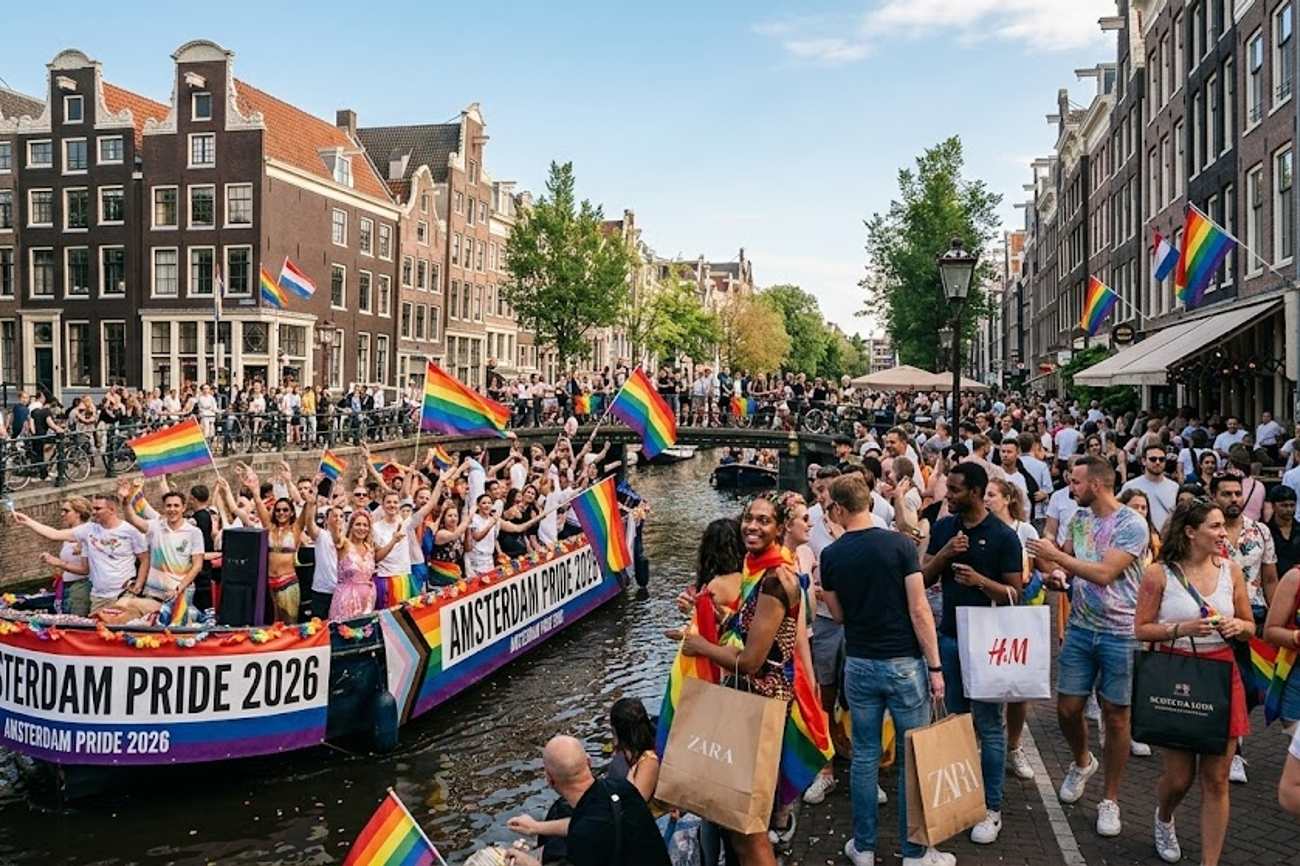
Image generated by AI
[Amsterdam, 2026] — European Pride celebrations in 2026 have injected more than €403 million in additional tourism spending into the economies of Amsterdam, Madrid, London, and Cologne. This massive financial influx underscores a systemic shift in international travel patterns, where large-scale cultural festivals now serve as primary drivers for global visitor flows.
The surge in activity saw more than six million total attendances across these four major hubs. This influx of travelers spanned multiple sectors, creating a spike in demand for hospitality, retail, local transport, and entertainment. By transforming single-day parades into multi-day programming—including conferences, exhibitions, and concerts—these cities have successfully extended the average length of visitor stays and strengthened their international visibility.
The Economic Catalyst of Event Tourism
The 2026 data confirms that cultural events are no longer secondary attractions but are instead strategic engines for urban economic growth. The €403 million recorded across the four destinations is not limited to event organizers; rather, it is distributed across the entire destination ecosystem.
The shift toward "experience-based travel" means tourists are increasingly bypassing traditional sightseeing in favor of trips centered around specific community events. This trend allows cities to generate high-density revenue during specific windows, offsetting slower periods in the traditional holiday calendar.
The distribution of this economic impact is broken down by sector:
- Accommodation: A sharp increase in hotel occupancy rates and average daily rates (ADR) during celebration windows.
- Food and Beverage: Heightened volume for restaurants, cafés, and bars, particularly in designated festival districts.
- Retail: Increased foot traffic and spending in shopping districts surrounding event hubs.
- Transport: Higher passenger volumes for public transit and local mobility services.
- Entertainment: Growth in event-based tourism, including ticketed showcases and nightlife.
Market Impact by City
The scale of the impact varied by city, with each destination leveraging its unique infrastructure to maximize the influx of international visitors.
| City | Primary Tourism Driver | Key Impact Area |
|---|---|---|
| Amsterdam | Open-minded culture & canal districts | Integration of citywide celebrations with historic museum visits. |
| Madrid | Chueca district & gastronomy | Expansion of Spain's reputation as a welcoming urban destination. |
| London | Global connectivity & iconic landmarks | Increased momentum for the UK capital's hospitality and theatre sectors. |
| Cologne | Rhine River location & historic center | Proof that medium-sized cities can compete globally via cultural identity. |
In Amsterdam, the city utilized its reputation for tolerance and its extensive network of canals to attract a diverse international crowd. Visitors frequently combined Pride attendance with visits to the city's renowned museums and cultural venues.
Madrid focused its efforts on the Chueca district, an internationally recognized cultural hub, using the event to bolster its standing as a leader in event tourism. The Spanish capital successfully merged its existing gastronomic appeal with the festival's draw to increase overall visitor engagement.
London leveraged its status as a global aviation and finance hub to attract both domestic and international travelers. The city saw a particular spike in demand for its luxury hotel sector and West End entertainment offerings, as visitors extended their stays to explore the city's wider landmarks.
Cologne demonstrated the viability of the "medium-city" model. By utilizing its historic center and its strategic position on the Rhine, the German city proved that a strong cultural identity can drive significant international visitor numbers, independent of being a primary global capital.
Practical Traveler Advisory and Strategic Insights
For the individual traveler, the rise of event-driven tourism in Europe translates to a different booking environment. When planning trips around major celebrations like Pride, passengers should expect the following:
1. Pricing Volatility: Because these events create "artificial" peaks in demand, hotel rates in cities like Amsterdam and London can spike significantly. Booking windows for these periods are now tighter, often requiring reservations several months in advance to avoid premium pricing.
2. Transport Congestion: With millions of attendees, local mobility services and public transport networks—such as the Transport for London (TfL) network or the GVB Amsterdam transit system—experience extreme volume. Travelers should expect delays and potential closures of specific city center zones.
3. Shift in Itineraries: The evolution of these events into multi-day programs means travelers are no longer visiting for a single weekend. This encourages a slower pace of travel, where visitors combine festival attendance with broader city exploration.
4. Increased Availability of "Event Packages": Hospitality providers are increasingly bundling accommodation with event access, reflecting the transition of Pride from a community gathering to a professionalized tourism product.
The Future of European Cultural Tourism
The 2026 figures suggest that the "event-tourism" model is becoming a permanent fixture of European urban strategy. Cities are now competing to host these large-scale gatherings not just for social reasons, but as a calculated economic move to attract high-spending international demographics.
Moving forward, we expect to see more integration between city governments and tourism boards to manage the "overtourism" risks associated with these spikes. The goal is to balance the €403 million economic windfall with the sustainability of the local infrastructure.
Furthermore, the success of Cologne suggests that other secondary European cities may begin developing their own large-scale cultural festivals to divert traffic away from the "Big Four" and create new revenue streams for smaller municipal economies.
As these events continue to grow, the reliance on seamless international connectivity will increase. The efficiency of major hubs like Schiphol Airport and Heathrow Airport remains critical to maintaining these visitor flows.
FAQ: European Pride Tourism 2026
How much did Pride 2026 contribute to European city economies? The celebrations in Amsterdam, Madrid, London, and Cologne generated more than €403 million in additional tourism-related spending. This includes expenditures on hotels, dining, retail, and local transport.
Which cities saw the most significant impact? The primary beneficiaries were Amsterdam, Madrid, London, and Cologne. Together, these four destinations attracted more than six million attendances, driving substantial growth across their respective hospitality and entertainment sectors.
How has the nature of these events changed for tourists? Pride has evolved from single-day parades into multi-day cultural programs. This includes a wider array of activities such as concerts, exhibitions, and conferences, which encourages visitors to stay longer in the destination.
What should travelers expect regarding hotel and transport during these events? Travelers should anticipate higher hotel prices and increased congestion on public transport. Early booking is recommended, and visitors should check for local transit diversions in city centers.
Cultural celebrations are no longer just festivals; they are the new engines of the European travel economy.
Related Travel Guides
- Saudi Arabia Joins UAE And Other Countries in Igniting Groundbreaking Hospitality Expo 2026 Launching Unrivalled Vision for Panama Qualified Baristas
- Bogotá Redefines Global Corporate Travel: Luxury Venues, Infrastructure & Historic Charm
- Technology, Talent and Customer Focus Emerge as Travel Industry’s New Competitive Edge at ATM 2026
Disclaimer
This article is for informational and educational purposes only. It does not constitute legal, financial, or professional advice. While we strive to provide accurate and up-to-date information, travel policies, regulations, and conditions change rapidly. Always verify information with official sources before making travel decisions. Nomad Lawyer makes no representations about the accuracy, reliability, completeness, or suitability of the information provided. Readers should consult qualified professionals for advice specific to their circumstances. The views expressed in this article are those of the author and do not necessarily reflect the views of Nomad Lawyer.
Raushan Kumar
Founder & Lead Developer
Full-stack developer with 11+ years of experience and a passionate traveller. Raushan built Nomad Lawyer from the ground up with a vision to create the best travel and law experience on the web.
Learn more about our team →