
Peru Beyond Machu Picchu: Rediscovering the Pacific Coast, Cloud Forests, and Untamed Amazonian Watersheds

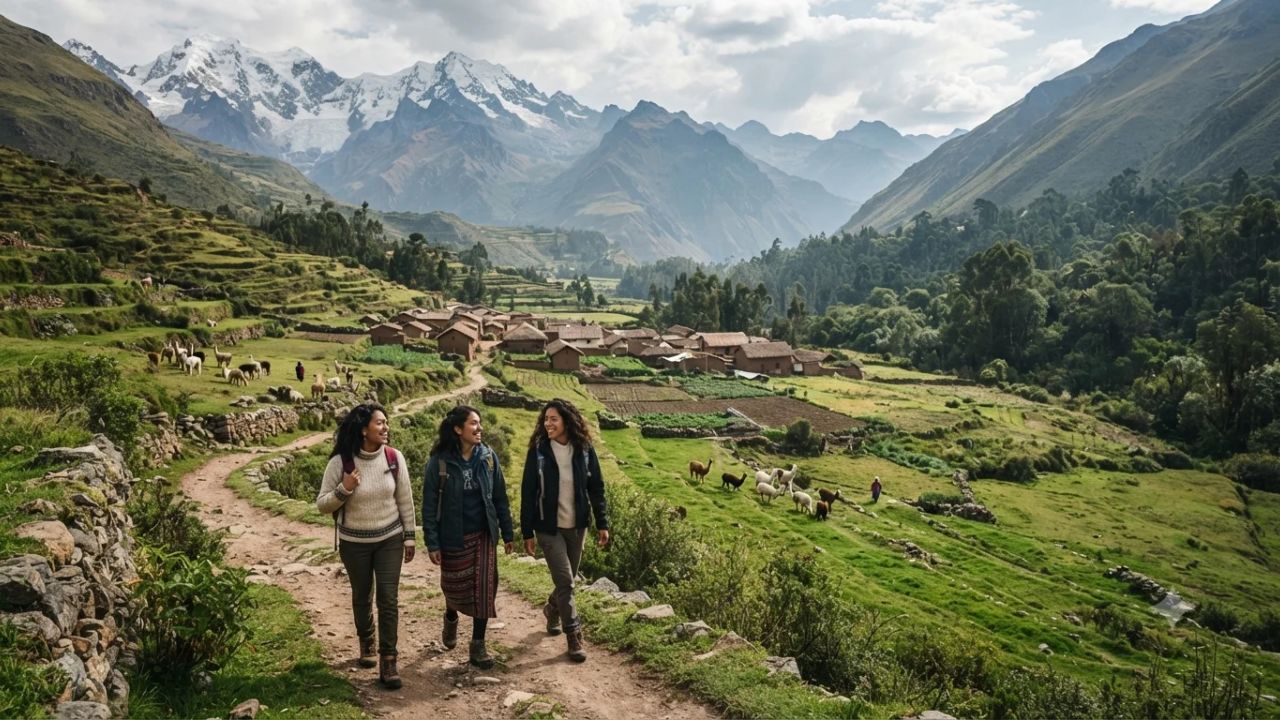
While over seventy percent of first-time international visitors to Peru funnel exclusively into the Sacred Valley and Cusco corridor, the nation encompasses twenty-eight distinct climate zones spanning arid Pacific deserts, snow-capped glaciated passes, and primary Amazonian rainforest. This dramatic geographic diversity is sparking a major reassessment in South American travel planning. Speaking on the future of Peruvian travel, Jose Ignacio Del Aguila, Sales Manager for Peru and Bolivia at regional specialist Majestic Ande, emphasizes that while the 15th-century Inca citadel of Machu Picchu remains an iconic marvel, the true soul of Peru unfolds across its parallel, uncrowded regional circuits.
Rather than relying purely on automated digital itineraries and AI trip generators, modern voyagers are prioritizing genuine human connection, authentic community partnerships, and tailored routes that distribute travel benefits evenly across the country. By offering more than twenty parallel bespoke itineraries—tailored across budget levels from accessible community homestays to five-star Andean retreats—specialists are guiding adventurers, honeymooners, and families into lesser-known coastal valleys, cloud forest reserves, and remote Amazonian tributaries.
The Shift Toward Human Connection and Parallel Itineraries
The evolution of Peruvian tourism is anchored in a fundamental principle: technology can inspire travel ideas, but human relationships and local expertise create unforgettable journeys. As Jose Ignacio Del Aguila notes, travelers navigating today's world increasingly seek personal trust, reliable on-the-ground support, and face-to-face interactions that algorithms cannot replicate. Having dedicated local experts present throughout a journey provides travelers with security and deep cultural insight.
This philosophy manifests through the creation of parallel routes running alongside popular tourist trails. Instead of crowding into standard four-day Inca Trail departures, adventurous travelers are taking alternative high-altitude routes like the remote Ausangate circuit—where herds of alpacas graze beneath turquoise glacial lakes—or the challenging trek to Choquequirao, an Inca citadel three times larger than Machu Picchu that sees only a fraction of its daily visitors.
Simultaneously, travel designers are adapting experiences across all financial tiers. Custom itineraries can incorporate ultra-luxury boutique properties in the Sacred Valley alongside authentic family-run posadas in coffee-farming villages. This flexibility ensures that discerning global travelers can experience high-end gastronomy and comfort while maintaining direct connections with rural indigenous stewards.
What Makes Peru's Three Natural Regions Distinct
Peru's geography divides into three sharply contrasting worlds (Costa, Sierra, and Selva), each offering distinct ecosystems, ancestral culinary traditions, and pre-Columbian archaeological wonders supported by PromPerú:
- The Pacific Coast (La Costa): Beyond the vibrant gastronomic capital of Lima, Peru's coastal desert hides archaeological treasures older than the Incas. In the north, the adobe citadel of Chan Chan and the royal tombs of Sipán near Trujillo and Chiclayo reveal the sophistication of the Moche and Chimú civilizations. To the south, the dramatic sea cliffs of Paracas National Reserve host colonies of Humboldt penguins, sea lions, and migrating pelicans right against the desert dunes of Huacachina.
- The Andean Highlands (La Sierra): The central spine of the Andes features dramatic contrasts, from the colossal depth of the Colca and Cotahuasi Canyons near Arequipa—where Andean condors soar on morning thermal updrafts—to the floating reed islands of Lake Titicaca in Puno. In the northern Andes, the Cordillera Blanca around Huaraz offers world-class mountaineering amidst glacial peaks that soar above 6,000 meters.
- The Amazon Jungle (La Selva): Covering more than sixty percent of Peru's national territory, the Peruvian Amazon is one of the most biodiverse regions on earth, rigorously protected under SERNANP. From the clay lick macaws and giant river otters of Tambopata and Manu Biosphere Reserve in the south to luxury riverboat expeditions navigating the headwaters of the Amazon River out of Iquitos in the north, the jungle provides deep ecological immersion.
Visitor Insider Tips
Planning an extensive journey across Peru's coast, mountains, and rainforest requires thoughtful scheduling and practical know-how:
- Structure Your Altitude Acclimatization: When traveling from coastal Lima to the Andes, fly into Arequipa (2,325 meters) or descend directly from Cusco Airport into the lower Sacred Valley (Ollantaytambo or Urubamba at 2,870 meters) before staying in high-altitude Cusco (3,400 meters). This gradual ascent prevents altitude sickness (soroche).
- Embrace Regional Gastronomy Beyond Ceviche: While coastal Lima is world-famous for fresh sea bass ceviche and tiradito, explore regional specialties in the highlands, such as rocoto relleno (stuffed spicy pepper) in Arequipa, hearty pachamanca (earth-oven roasted meats and native tubers) in the Sacred Valley, and juane (seasoned rice and chicken wrapped in bijao leaves) in the Amazon.
- Pack for Multi-Climate Transitions: A single two-week itinerary across Peru exposes travelers to 30°C (86°F) humid heat in the Amazon, windy 25°C (77°F) coastal sun, and -5°C (23°F) freezing Andean nights. Pack moisture-wicking synthetics, thermal wool layers, a waterproof rain shell, and sturdy broken-in hiking boots.
- Support Community-Owned Craft Cooperatives: When buying alpaca textiles in Pisac, Chinchero, or Lake Titicaca, purchase directly from certified indigenous weaving associations. Authentic baby alpaca fiber is cool to the touch, heavy, and never scratchy or unnaturally bright.
- Utilize Scenic Rail and River Transfers: Enhance your journey by boarding scenic trains like the PeruRail Titicaca train between Cusco and Puno, or hire private wooden skiffs (peke-pekes) with native indigenous guides for tranquil river navigation through Amazonian oxbow lakes.
Cultural and Environmental Context
Moving international tourism beyond Machu Picchu is vital for both ecological preservation and equitable economic growth across Peru. The Historic Sanctuary of Machu Picchu faces strict daily visitor limits designed to protect fragile stone terraces and reduce physical erosion. By guiding travelers toward alternative regions, tour operators help relieve structural pressure on the ancient citadel.
In rural Andean communities and Amazonian river villages, responsible tourism provides essential income that directly supports forest conservation, clean water initiatives, and bilingual Quechua-Spanish schooling. In the Tambopata basin, native Ese Eja communities co-manage premier eco-lodges, protecting thousands of hectares of primary rainforest from illegal gold mining and uncontrolled timber extraction.
Furthermore, authentic cultural tourism helps preserve living ancestral traditions—including traditional backstrap loom weaving, ancestral agricultural terracing, and native seed preservation. When global travelers engage with local communities with humility, patience, and respect, tourism transforms into a powerful force for cultural pride and environmental regeneration.
FAQ: Exploring Peru Beyond Machu Picchu 2026
What are the best alternatives to the classic Inca Trail trek?
The Salkantay Trek, the Lares Cultural Route, and the rugged Choquequirao expedition offer breathtaking mountain passes, fewer crowds, and deep community interaction.
How many days should I allocate for a multi-region Peru trip?
A comprehensive journey covering the Pacific coast, Andean highlands, and Amazon jungle requires at least 12 to 16 days to allow for proper travel time and altitude acclimatization.
Is the Peruvian Amazon safe for family travel?
Yes. Southern Amazonian reserves like Tambopata feature accessible, eco-certified family lodges with professional naturalist guides, canopy walkways, and tranquil boat excursions.
When is the best season to explore both the Andes and the Amazon?
The dry winter season from May through September provides clear mountain hiking skies in the Andes and lower water levels with excellent wildlife viewing in the Amazon basin.
Beyond the mist-shrouded ruins of the Incas lies a vast continent of ancient desert kings, snow-capped peaks, and green Amazonian waters waiting to be heard.
Related Travel Guides
- Quechua Treks Earns B Corp Certification: Leading Sustainable Tourism and Community Empowerment in Peru's Sacred Valley
- Direct Air Bridges: How Expanded Transatlantic Flight Corridors Connect Europe to Latin America in 2026
- Bolivia's Salar de Uyuni Welcomes Samkani Camp: A Five-Suite Luxury Airstream Sanctuary on the Salt Flats
Disclaimer
This article is for informational and educational purposes only. It does not constitute legal, financial, or professional advice. While we strive to provide accurate and up-to-date information, travel policies, regulations, and conditions change rapidly. Always verify information with official sources before making travel decisions. Nomad Lawyer makes no representations about the accuracy, reliability, completeness, or suitability of the information provided. Readers should consult qualified professionals for advice specific to their circumstances. The views expressed in this article are those of the author and do not necessarily reflect the views of Nomad Lawyer.
Raushan Kumar
Founder & Lead Developer
Full-stack developer with 11+ years of experience and a passionate traveller. Raushan built Nomad Lawyer from the ground up with a vision to create the best travel and law experience on the web.
Learn more about our team →