
Europe's Beach Access Rules: How Lido Regulations Impact Coastal Tourism
Mediterranean destinations in Italy, Spain, and France introduce new beach access rules to balance private lido concessions with public shorelines.

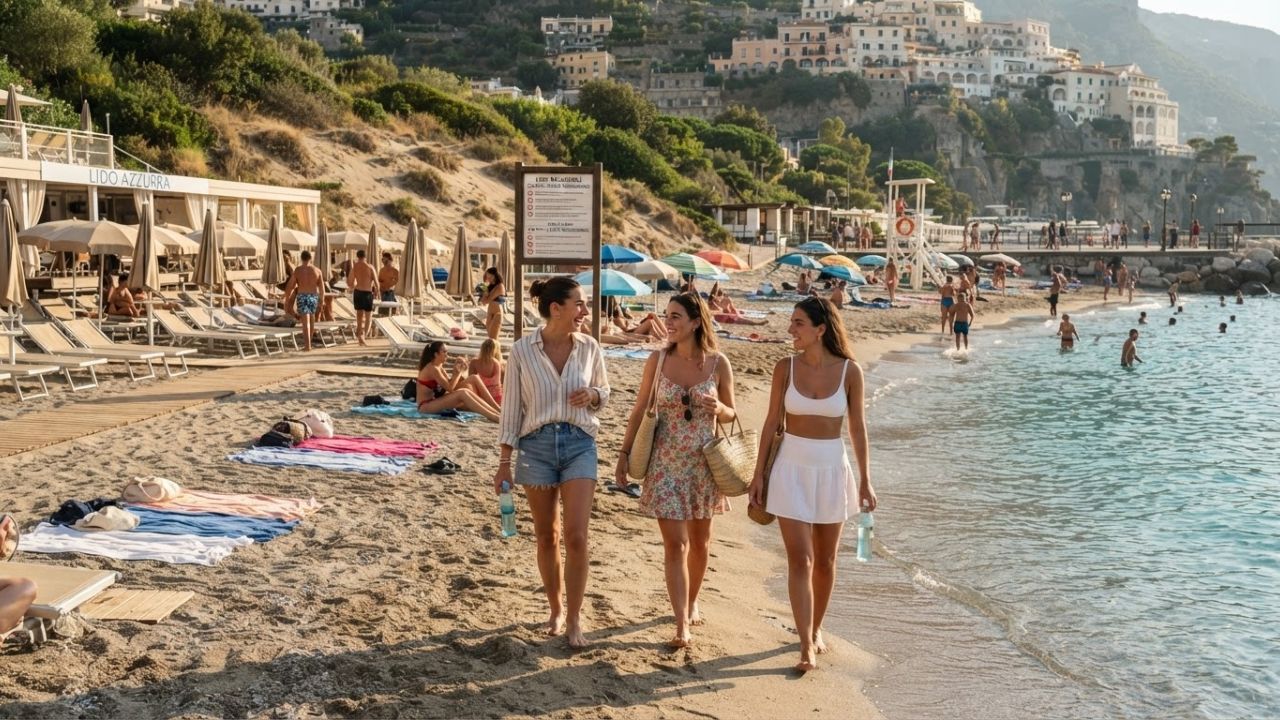
Image generated by AI
Growing competition between public use and private lido concessions is reshaping Europe's beach management, with local governments introducing new coastal access rules. Across Mediterranean destinations in Italy, Spain, and France, authorities are balancing tourism commercialization with public shoreline preservation.
The Local Trend Revealed
Coastal tourism remains one of the largest segments of the global travel market, yet the expansion of private beach facilities is creating friction over affordability and accessibility. Popular destinations are implementing new management systems to regulate coastal concessions:
- Italy: The debate centers on private beach clubs (lidos) occupying prime coastal stretches in Sardinia, Sicily, Liguria, Puglia, and Lazio. Campaigners are calling for a greater percentage of free public beach zones (spiaggia libera). Concurrently, local maritime authorities have increased patrols to fine beachgoers who reserve public spaces overnight using unattended umbrellas and chairs.
- Spain: In high-demand coastal regions like Mallorca, Ibiza, Costa del Sol, and the Canary Islands, local municipalities are enforcing strict capacity limits and monitoring visitor volumes to prevent overcrowding.
- France: The French Ministry of Ecological Transition enforces coastal laws (Loi Littoral) along the French Riviera, Corsica, and the Atlantic coast to preserve natural beach dunes and guarantee public rights of way along the water's edge.
Cultural & Environmental Value
For the visitor, the real impact of the beach access debate is the opportunity to support sustainable, community-minded coastal economies. Choosing to spend money at independent seaside cafes and supporting local lido operators who provide essential lifeguard services keeps revenues within regional communities.
Environmental preservation is also directly linked to beach regulations. In Sardinia, removing sand, shells, or pebbles from the coast is strictly prohibited and subject to heavy fines. To lower the carbon footprint of beach trips, travelers are encouraged to choose coastal rail networks, such as the Liguria Line in Italy or Cercanías trains in Spain, instead of driving, supporting green transport policies promoted by the Spanish Ministry of Industry, Commerce and Tourism (Turespaña).
Visitor Insider Tips for European Beaches
Local destination specialists recommend the following strategies for travelers:
- Pre-Book Popular Beaches: In high-demand zones like Sardinia or the Amalfi Coast, use municipal booking apps (such as Spiaggia.it) to reserve entry slots before visiting, as daily capacity is capped.
- Avoid Overnight Towel Reserving: Placing umbrellas or chairs early in the morning to reserve spots on public beaches is illegal in many Italian and Spanish towns. Local police regularly confiscate unattended gear, and violators can face fines of up to €200.
- Observe the Off-Peak Window: Visit during the shoulder season of September to October. Sea temperatures remain warm, and you will find comfortable weather, lower lido fees, and fewer crowds compared to the peak summer season.
- Sample Local Culinary Specialties:
- In Italy (Liguria), try fresh Focaccia col Formaggio (cheese-filled flatbread) or Pesto Genovese pasta at a local seaside trattoria.
- In Spain (Balearic Islands), sample Ensaimada (a sweet pastry roll) or Sobrassada (cured sausage).
- In France (French Riviera), try Socca (a savory chickpea pancake).
- Explore Under-the-Radar Spots:
- In Italy, visit the quiet village of Camogli in Liguria for a scenic public shingle beach, or explore the rocky coves of the Maddalena Archipelago in northern Sardinia.
- In Spain, bypass Mallorca's busy resort beaches to hike to secluded coves (calas) in the island's nature reserves.
Tourism Outlook
The long-term impact of the beach access debate will force European destinations to develop smarter, more transparent coastal management. By integrating online capacity monitoring and expanding free public zones, Mediterranean countries can ensure that their coastlines remain welcoming, sustainable spaces for both international visitors and local residents, under frameworks monitored by the Italian Ministry of Tourism.
FAQ: European Beach Access Rules
Why is public beach access a growing issue in Europe? Increasing visitor numbers and the expansion of commercial concessions have reduced free beach space, raising concerns about affordability, local community access, and environmental preservation.
Can you be fined for leaving umbrellas to reserve a spot? Yes, leaving unattended towels, chairs, or umbrellas to reserve spots on public beaches is illegal in several Italian and Spanish coastal towns, and can result in fines of up to €200.
What is the French Loi Littoral? It is a federal law in France designed to protect coastal environments from overdevelopment while guaranteeing public access along the shoreline.
How can travelers find free beach zones in Italy? Look for signs marked spiaggia libera (free beach), which indicate public shoreline areas where visitors can sit without paying lido entry fees.
Related Travel Guides
Disclaimer
This article is for informational and educational purposes only. It does not constitute legal, financial, or professional advice. While we strive to provide accurate and up-to-date information, travel policies, regulations, and conditions change rapidly. Always verify information with official sources before making travel decisions. Nomad Lawyer makes no representations about the accuracy, reliability, completeness, or suitability of the information provided. Readers should consult qualified professionals for advice specific to their circumstances. The views expressed in this article are those of the author and do not necessarily reflect the views of Nomad Lawyer.
Raushan Kumar
Founder & Lead Developer
Full-stack developer with 11+ years of experience and a passionate traveller. Raushan built Nomad Lawyer from the ground up with a vision to create the best travel and law experience on the web.
Learn more about our team →