
Passenger Diary Reveals Life Aboard Hantavirus-Stricken Antarctic Ship
A passenger's firsthand account documents the transformation of the MV Hondius from polar expedition to floating quarantine as a hantavirus outbreak forces 140+ people into lockdown in 2026.

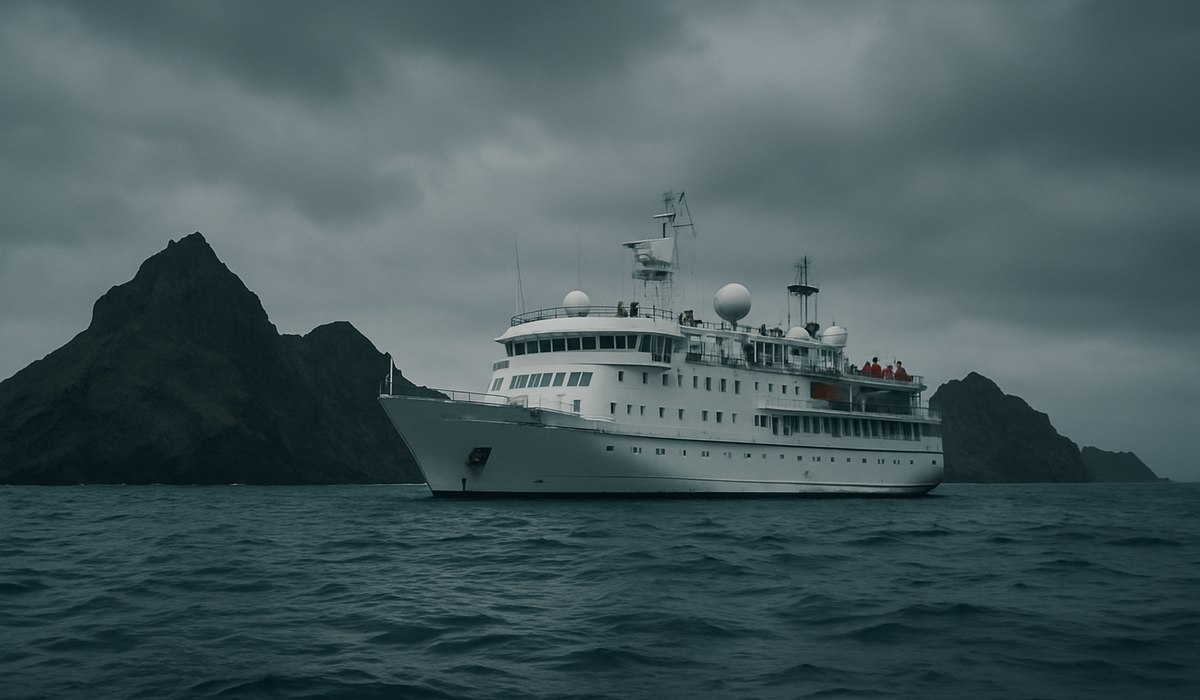
Image generated by AI
Antarctic Dream Voyage Turns Medical Emergency
A passenger's diary offers an intimate look at life aboard the MV Hondius as it transformed from polar adventure to floating quarantine. The 107-meter Dutch-flagged expedition vessel departed Ushuaia, Argentina on April 1, 2026, carrying over 140 passengers and crew from more than 20 countries. What began as a weeks-long Antarctic and South Atlantic expedition—marketed around wildlife encounters and remote island landings—became a medical crisis when an elderly passenger fell critically ill after disembarking. That traveler later tested positive for hantavirus, triggering international health alerts and forcing the ship to alter course toward Cape Verde as officials in Europe, Africa, and the Americas launched contact tracing operations.
The outbreak escalated rapidly, with genetic analysis confirming the pathogen as Andes virus, a strain capable of severe respiratory illness and rare person-to-person transmission. Three deaths and multiple hospitalizations were documented across multiple countries by early May 2026. Meanwhile, the Hondius remained anchored off West Africa while authorities coordinated testing protocols and medical resources. Within this crisis, detailed notes from a passenger emerged, providing unprecedented insight into the daily reality aboard a stricken vessel transformed into an involuntary quarantine zone.
Andes Virus Outbreak: Deaths and Global Health Response
The hantavirus strain identified aboard the Hondius—Andes virus—represents a significant public health concern due to its transmission characteristics and mortality rate. Unlike many rodent-borne hantaviruses, Andes virus can spread between infected humans through respiratory droplets, making shipboard containment particularly challenging. South African health authorities and European agencies documented at least three fatalities linked to the voyage, with confirmed cases emerging in multiple countries as passengers who had disembarked earlier sought medical attention abroad.
Health organizations including the European Centre for Disease Prevention and Control (ECDC) mobilized rapidly to establish epidemiological links and trace all individuals who had contact with confirmed cases. The investigation revealed a complex timeline: initial cases appeared asymptomatic or presented with mild symptoms, delaying diagnosis and allowing potential transmission before containment measures began. International collaboration became essential as passengers scattered across continents reported symptoms weeks after leaving the ship. The outbreak highlighted critical vulnerabilities in expedition cruise medicine, closed-environment infectious disease management, and the speed at which pathogens can spread globally in an interconnected travel landscape.
Life in Quarantine: Conditions Aboard the Hondius
The passenger diary documents a stark transition from expedition enthusiasm to semi-isolation within days. Initial entries describe typical polar cruise experiences: seabirds trailing the vessel, educational lectures on Antarctic ecosystems, and excitement over remote landings. By mid-voyage, the writer notes unusual absences from the dining room and references to "a strange flu" circulating among guests. As confirmed cases reached the ship via radio communications from hospitals ashore, shipboard life contracted dramatically.
Standard expedition routines dissolved into quarantine protocols. Buffet dining became room service, delivered by masked crew members conducting temperature checks. The observation lounge—once a social hub for lectures and wildlife spotting—emptied as passengers confined themselves to cabins. The passenger diary reveals psychological dimensions of extended isolation: improvised cabin exercises, overhead neighbors pacing through sleepless nights, and conversations conducted through partially opened doorways at cautious distance. One particularly poignant entry captures the dissonance between serene ocean views and mounting anxiety fueled by shore-based news coverage labeling the incident a "hantavirus cruise." Scheduled deck times replaced spontaneous gatherings, and canceled group activities stripped away the social fabric that defined early voyage days.
Tracing the Outbreak: International Contact Investigation
The geographic scope of the Hondius outbreak complicated epidemiological response significantly. Passengers had disembarked at multiple ports across weeks of travel, carrying the virus across South America, Africa, and eventually Europe. Health agencies in South Africa, Argentina, Chile, and numerous European nations activated parallel investigations, attempting to identify and locate all individuals with exposure risk. The international contact tracing effort required coordinating across health jurisdictions with varying protocols, testing capacities, and reporting standards.
Genetic sequencing of the Andes virus strain collected from confirmed cases provided epidemiologists with crucial tracking data, suggesting transmission patterns and potential exposure windows. Maritime authorities also reviewed ship records, movement logs, and crew schedules to reconstruct who occupied shared spaces during suspected infectious periods. The investigation revealed that some exposed individuals remained asymptomatic for extended periods—potentially infectious without knowing their status—complicating the already complex task of identifying secondary contacts. This outbreak underscored how expedition cruising, despite smaller passenger counts than mainstream vessels, creates concentrated populations in enclosed environments where respiratory pathogens spread efficiently. The passenger diary became an invaluable resource for investigators, providing temporal and spatial details that complemented official medical records.
What This Means for Travelers
The 2026 Hondius hantavirus outbreak carries important implications for expedition cruise passengers and adventure travelers generally:
-
Pre-embarkation health screening matters significantly. Request detailed information about medical screening protocols, isolation facilities, and quarantine capabilities from expedition cruise operators before booking. Ensure your insurer covers medical evacuation and extended quarantine costs.
-
Monitor emerging infectious disease alerts before polar and remote region travel. Consult your national health agency's travel health notices and regional disease surveillance data. Check sources like the ECDC and CDC for outbreak updates in your destination regions.
-
Understand confined-environment transmission risks. Expedition cruises concentrate passengers in shared ventilation systems, dining areas, and communal spaces where respiratory pathogens spread efficiently. Pack high-quality masks and hand sanitizer regardless of pre-trip conditions.
-
Verify your cruise operator's medical coordination capabilities. Confirm agreements with regional hospitals, telemedicine availability, and protocols for medical evacuation to well-equipped facilities. Understand who bears costs if quarantine extends beyond standard coverage periods.
-
Purchase comprehensive travel insurance with epidemic/pandemic coverage. Standard policies may exclude outbreak-related cancellations or quarantine extensions. Review coverage limits carefully and confirm they include hospitalization, evacuation, and extended accommodation costs.
-
Document pre-existing health conditions and current medications. In outbreak scenarios, medical staff may have limited records. Carry redundant copies of prescriptions, vaccination records, and relevant health information in sealed envelopes.
FAQ
What is Andes virus and how does it spread?
Andes virus is a hantavirus strain associated with severe respiratory illness in humans. Unlike most hantaviruses transmitted through rodent contact, Andes virus can spread between infected people through respiratory droplets when they cough or sneeze, making it particularly concerning in crowded environments like cruise ships where ventilation systems recirculate air.
Should I cancel my upcoming expedition cruise?
Individual risk assessment depends on destination, outbreak status, vessel infection control measures, and your health profile. The Hondius incident was rare; thousands of expedition cruises operate safely annually. Verify your operator's specific medical protocols, quarantine facilities, and insurance coverage. Consult your physician about personal risk factors before deciding.
How long does hantavirus incubation take and when are infected people contagious?
Andes virus typically has an incubation period of 7-14 days, though cases up to 21 days have occurred. Infected individuals become contagious when respiratory symptoms appear, usually around day 7-10. This delayed symptom onset complicates early detection aboard ships where passengers may disembark before realizing they're infected.
What emergency protocols should expedition cruise operators implement?
Best practices include onboard medical facilities capable of isolating suspected cases, rapid pathogen testing capabilities or partnerships with shore-based labs, crew training in infectious disease protocols, adequate food and medication supplies for extended quarantine, transparent communication with passengers, and pre-established agreements with regional hospitals and evacuation services.
Related Travel Guides
Disclaimer
This article is for informational and educational purposes only. It does not constitute legal, financial, or professional advice. While we strive to provide accurate and up-to-date information, travel policies, regulations, and conditions change rapidly. Always verify information with official sources before making travel decisions. Nomad Lawyer makes no representations about the accuracy, reliability, completeness, or suitability of the information provided. Readers should consult qualified professionals for advice specific to their circumstances. The views expressed in this article are those of the author and do not necessarily reflect the views of Nomad Lawyer.
Preeti Gunjan
Contributor & Community Manager
A passionate traveller and community builder. Preeti helps grow the Nomad Lawyer community, fostering engagement and bringing the reader experience to life.
Learn more about our team →