
Passenger Diary Reveals Life Aboard Hantavirus-Hit Hondius
A firsthand account from a traveler aboard the MV Hondius documents the unfolding hantavirus outbreak during 2026. The Dutch-flagged expedition vessel carried 140+ passengers when illness struck, reshaping life aboard during an Antarctic voyage heading to the Canary Islands.

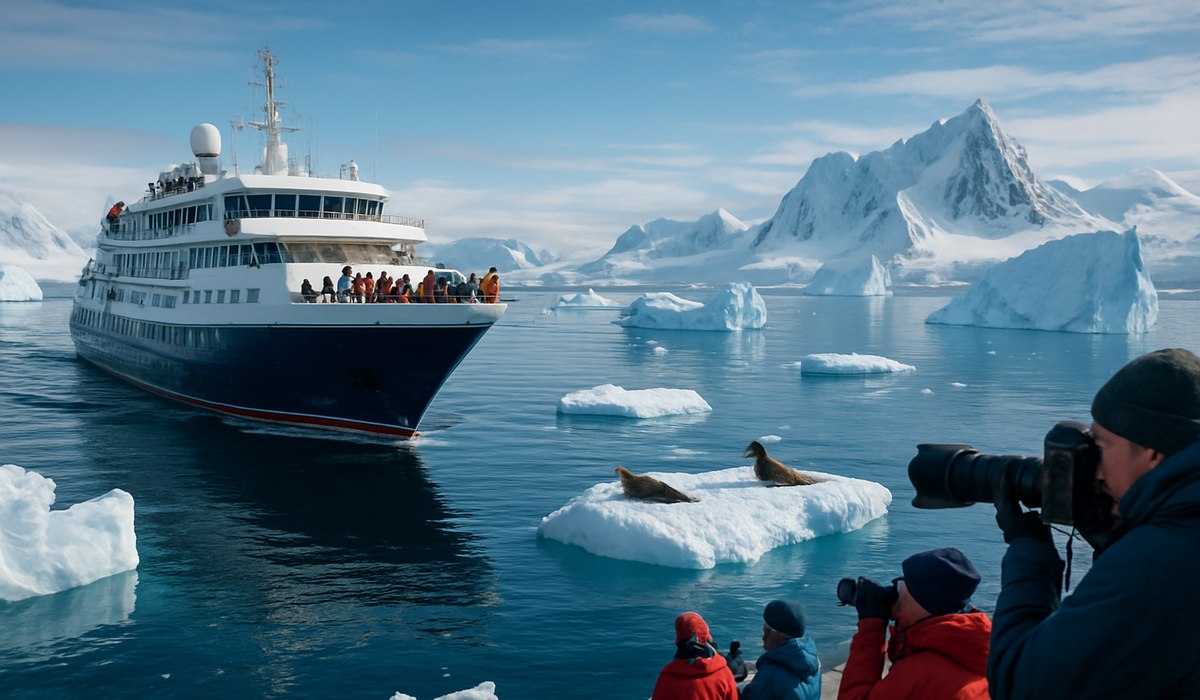
Image generated by AI
A Traveler's Account: When Expedition Dreams Meet Global Health Crisis
A passenger diary reveals the stark reality of life aboard the MV Hondius as a deadly hantavirus outbreak transformed a once-in-a-lifetime Antarctic adventure into an unfolding medical emergency. The Dutch-flagged expedition vessel, operated by Oceanwide Expeditions, departed Argentina in early April 2026 carrying more than 140 people bound for polar landscapes and remote South Atlantic islands. What began as scheduled wildlife excursions and zodiac expeditions evolved into a coordinated health response involving international agencies, with the ship ultimately diverting toward Spain's Canary Islands rather than its original destination.
The firsthand account documents how passengers gradually realized something had shifted from routine voyage operations to crisis management—a transformation that unfolded across weeks at sea with limited information and mounting concern. The diary entries offer an intimate window into how travelers cope when extraordinary circumstances reshape the fundamental experience of expedition cruising.
From Antarctic Dream Voyage to Health Emergency
The MV Hondius departed Ushuaia at Argentina's southern tip in early April 2026 with ambitious itineraries promising Antarctic exploration and landings across some of Earth's most remote regions. Passengers had invested significantly in what travel operators marketed as rare opportunities to witness pristine polar ecosystems and navigate extreme expedition corridors. According to maritime tracking data and voyage schedules, the vessel initially followed its planned route through the Drake Passage toward the Antarctic Peninsula and South Georgia.
The first indication that something was amiss emerged when one passenger developed symptoms after weeks of overland travel through Argentina and Chile before boarding. The Andes hantavirus carries an incubation period extending several weeks, meaning the individual showed no signs of illness during embarkation—a sobering reminder of how expedition vessels, despite rigorous health protocols, remain vulnerable to emerging pathogens that originate beyond their control. The diarist notes that early voyage days felt entirely normal: lectures on Antarctic wildlife, photography workshops focused on capturing penguin colonies, and communal meals where passengers bonded over shared experiences and observations from zodiac excursions among ice formations.
The atmosphere reflected typical small-ship expedition cruising culture—intimate group settings, professional naturalists sharing expertise, and the camaraderie that develops when travelers embrace remote environments together. No one anticipated how quickly that dynamic would shift.
When Hantavirus Became the Central Character
By late April 2026, the passenger diary reveals a dramatic vocabulary shift aboard the vessel. Scientific terminology replaced casual conversation. Health agency briefings superseded wildlife lectures. The diarist describes how fellow travelers began disappearing from communal spaces, whispered concerns about "unusual flu symptoms" circulated through corridors, and medical staff appeared with increasing frequency outside certain cabin doors.
As the situation escalated, confirmed infections mounted and three passengers died from hantavirus complications. According to World Health Organization guidance and regional disease center reports, the Andes strain identified aboard the MV Hondius demonstrated limited person-to-person transmission capability—a critical detail that transformed passenger psychology from "isolated medical incident" to "potential outbreak risk." The crew began distributing informational leaflets about rodent-borne diseases, and passengers consumed fragmented news updates through the ship's intermittent internet connection, often learning key details hours or days after international media reported them.
The diarist captures how conversations evolved almost overnight. Passengers who once compared camera equipment and wildlife sightings now discussed incubation periods and pulmonary syndrome symptoms. Morning briefings shifted from ornithology to health updates broadcast over the public address system. Temperature readings and cough frequency became the primary conversational currency among previously anonymous travelers thrust into shared vulnerability.
Life Aboard: A Passenger's Perspective During Crisis
As Cape Verdean authorities initially restricted the ship from port entry and international medical teams coordinated evacuation procedures, daily life underwent profound transformation. The passenger diary reveals what staff implemented as "soft confinement"—passengers remained largely in cabins while receiving staggered access to open deck areas for fresh air and limited movement. Crew members, many from the Philippines and other distant countries, delivered meals in full protective equipment while maintaining isolation protocols between cabin rows.
Public spaces that previously hosted cocktail hours, film screenings, and naturalist presentations became silent, roped-off zones. Ventilation systems operated constantly to maintain air circulation standards, their persistent hum becoming the dominant shipboard soundscape. The diarist notes how crew improvised infection control measures: stairwells designated for upward and downward traffic only, dining service restructured around in-cabin meals and staggered coffee access, and windows kept open whenever weather permitted.
Passengers adapted through creativity and unexpected solidarity. Cabin doors remained slightly ajar to enable shouted conversations with neighbors. Notes slipped beneath doors contained shared puzzle solutions, book recommendations, and offers to charge mobile devices. The voyage transformed from structured activity calendar to improvised routine focused on mental health management, physical activity within confined spaces, and maintaining connection amid enforced isolation.
Current Status and Next Steps
The MV Hondius altered course toward the Canary Islands to facilitate medical evacuations and allow international health authorities to properly assess and treat affected passengers. The diversion represented a significant shift from original voyage plans and demonstrated how outbreak protocols now supersede commercial expedition itineraries. Multiple health agencies coordinated response efforts, including the CDC, WHO, and European disease prevention centers, setting precedent for expedition vessel health governance.
The passenger diary's circulation through travel communities and media outlets has highlighted critical gaps in expedition cruise transparency regarding health screening, disease outbreak communication protocols, and passenger rights during medical emergencies at sea. Oceanwide Expeditions released statements affirming their cooperation with authorities and commitment to passenger welfare, though the situation sparked broader industry conversations about outbreak preparedness standards.
For expedition cruising generally, this incident has prompted reexamination of pre-boarding health questionnaires, isolation cabin specifications, and real-time communication practices with passengers during emerging health crises. Travel insurance companies have begun clarifying coverage terms for disease-related voyage cancellations and medical evacuations during expeditions.
Data Summary: MV Hondius Outbreak at a Glance
| Metric | Details |
|---|---|
| Vessel Name | MV Hondius (Dutch-flagged) |
| Operating Company | Oceanwide Expeditions |
| Departure Port | Ushuaia, Argentina (April 2026) |
| Passengers & Crew Aboard | 140+ individuals |
| Confirmed Hantavirus Cases | 8+ confirmed infections |
| Fatalities | 3 passengers deceased |
| Virus Strain | Andes hantavirus variant |
| Transmission Method | Rodent-borne (limited person-to-person spread) |
| Incubation Period | 2-4 weeks approximately |
| Reroute Destination | Canary Islands (Spain) |
| Primary Response Agencies | WHO, CDC, European disease centers |
| Key Symptom Indicators | Pulmonary syndrome, respiratory distress |
What This Means for Travelers
Understanding the MV Hondius situation provides valuable perspective for anyone considering expedition cruising to remote regions:
-
Pre-Voyage Health Disclosure: Ensure complete honesty when answering health screening questionnaires, even if symptoms seem minor or unrelated. Extended incubation periods mean infections acquired weeks earlier may emerge mid-voyage.
-
Comprehensive Travel Insurance: Verify that your policy covers disease-related medical evacuations, voyage cancellations due to health emergencies, and costs associated with unexpected ports of call. Standard cruise insurance may contain exclusions.
-
Communication Expectations: Understand that expedition vessels in remote waters face communication delays. Real-time information sharing about health situations may lag significantly behind external news coverage.
-
**Outbreak Protocol Fam
Disclaimer
This article is for informational and educational purposes only. It does not constitute legal, financial, or professional advice. While we strive to provide accurate and up-to-date information, travel policies, regulations, and conditions change rapidly. Always verify information with official sources before making travel decisions. Nomad Lawyer makes no representations about the accuracy, reliability, completeness, or suitability of the information provided. Readers should consult qualified professionals for advice specific to their circumstances. The views expressed in this article are those of the author and do not necessarily reflect the views of Nomad Lawyer.
Raushan Kumar
Founder & Lead Developer
Full-stack developer with 11+ years of experience and a passionate traveller. Raushan built Nomad Lawyer from the ground up with a vision to create the best travel and law experience on the web.
Learn more about our team →