
Trump Open Strait Strategy Requires Ground Forces, Expert Warns
Security analyst Kenneth Katzman argues Trump administration must deploy ground forces to secure the Strait of Hormuz in 2026. Air power alone cannot achieve US strategic objectives in Iran.

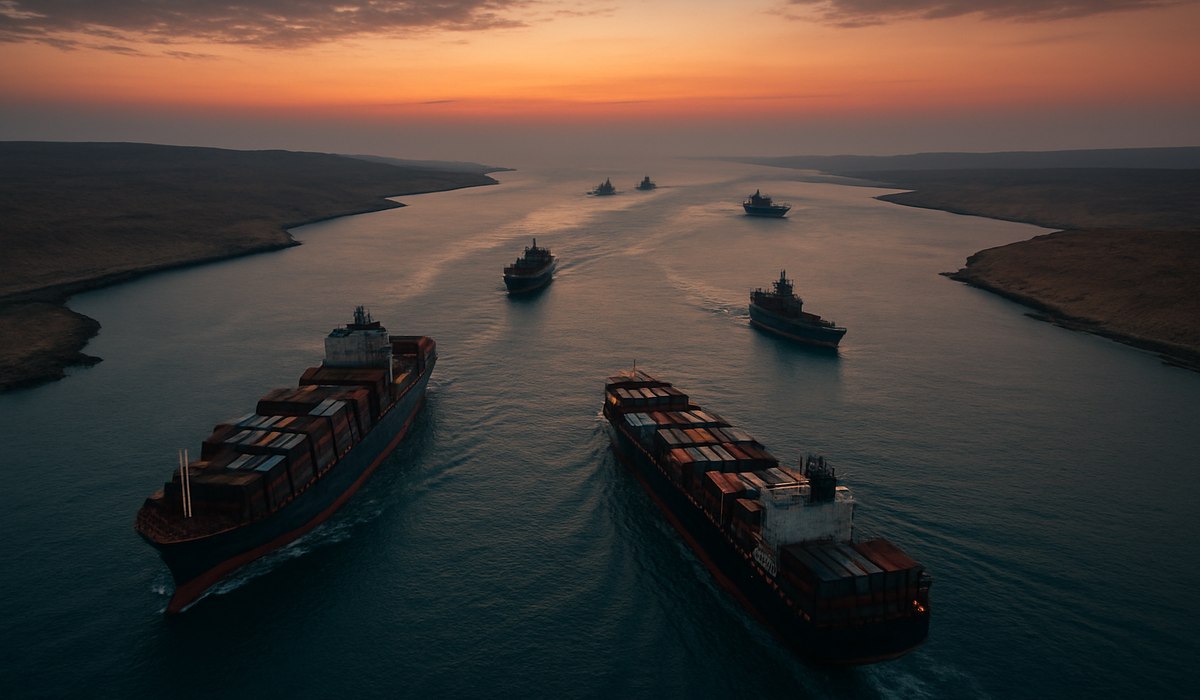
Image generated by AI
Trump Administration Faces Critical Choice: Air Power vs. Ground Forces in Hormuz Strategy
Kenneth Katzman, a prominent security analyst specializing in Middle Eastern military strategy, has issued a stark assessment of US objectives in the region. According to Katzman's analysis, achieving Washington's stated war aims against Iran cannot be accomplished through aerial bombardment alone. Instead, the Trump administration may require a substantial ground invasion to establish and maintain strategic control over the Strait of Hormuz, one of the world's most critical maritime chokepoints. This declaration carries profound implications for global commerce, international travel patterns, and the safety of civilians throughout the Persian Gulf region.
Why the Strait of Hormuz Matters for Global Trade
The Strait of Hormuz serves as the gateway for approximately 20% of the world's petroleum exports. Positioned between Iran and Oman, this 21-mile-wide waterway handles roughly 21 million barrels of crude oil daily. Any disruption to shipping lanes triggers immediate ripple effects across global energy markets, airline fuel pricing, and international commerce.
Commercial aviation depends heavily on stable fuel costs. Prolonged instability in this region would elevate jet fuel prices, increasing ticket fares for leisure and business travelers worldwide. The strategic importance of maintaining open passage through Hormuz extends beyond military considerations into everyday travel economics. Insurance premiums for vessels transiting these waters also spike during periods of heightened tension, costs ultimately passed to consumers.
For more context on how regional conflicts affect international travel, see our guide on Middle East travel advisories and flight disruption patterns.
Air Power Limitations in Achieving Strategic Goals
Military doctrine traditionally emphasizes air superiority as the foundation of modern warfare. However, Katzman's analysis challenges assumptions that air campaigns alone can secure territorial objectives. Sustained aerial operations require continuous logistical support, cost billions of dollars monthly, and inevitably face diminishing returns.
Ground forces present fundamentally different capabilities. They can establish checkpoints, conduct inspections, and maintain permanent control over critical infrastructure. Air campaigns can destroy installations but cannot occupy territory or enforce compliance with shipping restrictions. Without boots on the ground, adversaries can rapidly rebuild damaged facilities or employ asymmetrical tactics like drone swarms or naval mines.
The Trump administration's strategic calculus must weigh these limitations against the political costs of deploying substantial ground forces abroad. Previous Middle Eastern interventions required decade-long commitments and resulted in unexpected consequences for regional stability.
Ground Force Requirements and Regional Impact
Establishing effective control over the Strait of Hormuz through military occupation would require coordinating with regional allies and positioning thousands of personnel across Iranian territory and friendly coastal zones. Such operations demand specialized naval forces, air defense systems, and intelligence networks working in concert.
The scale of this undertaking far exceeds limited strikes or blockade operations. Military analysts suggest that securing the straits against determined Iranian resistance could necessitate 50,000 to 100,000 personnel. Logistics become exponentially more complex. Supply chains extending thousands of miles must function flawlessly. Medical facilities, communication infrastructure, and personnel rotation systems all require careful planning.
Regional governments face immense pressure when hosting foreign military bases. Political instability can quickly emerge. Public opinion in allied nations like Saudi Arabia and the United Arab Emirates may shift against prolonged American military presence. These complications factor into the broader strategic equation that policymakers must navigate.
Implications for Nomadic Professionals in the Region
Digital nomads, expatriate workers, and international business professionals currently operating throughout the Persian Gulf face uncertainty. Military escalation scenarios typically trigger voluntary evacuation protocols, embassy warnings, and insurance complications.
Insurance providers frequently deny claims in active conflict zones or areas under military siege. Travel insurance becomes expensive or unobtainable. Airlines may suspend service entirely or reroute flights, creating logistical nightmares for professionals with tight schedules. Visa extensions and residency permits occasionally become difficult to obtain during geopolitical tensions.
For detailed guidance on working remotely from this region, consult our resource on expat work permits and travel disruption protocols.
Key Data: Strait of Hormuz Strategic Significance
| Metric | Value | Impact on Travel |
|---|---|---|
| Daily Oil Throughput | 21 million barrels | Jet fuel cost volatility |
| Strait Width | 21 miles | Naval chokepoint vulnerability |
| Percentage of Global Oil | ~20% | Global energy market disruption |
| Estimated Ground Force Size Needed | 50,000-100,000 personnel | Regional stability concerns |
| Annual Shipping Vessels | 20,000+ transits | Commercial route disruptions |
| Insurance Premium Increase (conflict scenario) | 200-400% | Higher freight and ticket costs |
What This Means for Travelers
Military escalation in the Persian Gulf creates cascading effects throughout the travel industry. Here are critical considerations:
-
Book flexible tickets now if you have planned travel to the region. Premium flexible booking options provide exit strategies if situations deteriorate rapidly.
-
Monitor embassy travel advisories from your government. Official guidance updates before mainstream media reports changes. Subscribe to alerts from your nation's foreign ministry.
-
Verify airline cancellation policies before booking. Some carriers offer more generous rebooking options than others during geopolitical disruptions.
-
Confirm travel insurance coverage explicitly includes conflict zones and military escalation scenarios. Standard policies contain exclusions for wars and civil unrest.
-
Maintain emergency communication plans with family members. Ensure contact information is current and accessible without internet access, as connectivity may become unreliable.
-
Plan alternative routes for critical business travel. Identify backup airports and routing options before departures become limited.
Frequently Asked Questions
What does "opening the Strait of Hormuz" mean in military terms?
It refers to ensuring unobstructed passage for international shipping through this critical waterway. Military control of the strait allows a power to enforce shipping rules, conduct inspections, and prevent adversaries from using it as a weapon. Without ground forces maintaining physical presence, this objective remains unachievable through air power alone.
How would ground forces maintain control over the Strait of Hormuz?
Ground forces would establish bases on coastlines, deploy naval assets, operate checkpoint facilities, and conduct inspections of cargo vessels. They would maintain permanent presence capable of responding to threats in real time, something air power cannot sustain indefinitely without constant overhead coverage.
Will this military action affect my scheduled flight through the region?
Potentially. Airlines frequently suspend service, reroute flights, or increase security protocols during military escalation. Check with your airline directly and monitor government travel advisories. Travel insurance with flexible cancellation becomes essential.
How does this impact energy prices and airline ticket costs?
Disruption to the Strait of Hormuz increases oil prices immediately, which raises jet fuel costs. Airlines typically pass these increases to consumers through fuel surcharges. Expect ticket prices to rise 15-25% during significant regional instability.
Related Travel Guides
Explore these resources for additional context on traveling in sensitive geopolitical regions:
- Navigating Middle East Travel During Political Tensions
- Insurance Coverage for High-Risk Regions: What Actually Works
- Remote Work in the Persian Gulf: Legal Requirements and Safety Protocols
Disclaimer
This article synthesizes analysis from Kenneth Katzman's security assessments regarding potential military strategies in the Middle East. Information reflects publicly available military analysis and geopolitical commentary as of March 2026. This content is for informational purposes and does not constitute
Disclaimer
This article is for informational and educational purposes only. It does not constitute legal, financial, or professional advice. While we strive to provide accurate and up-to-date information, travel policies, regulations, and conditions change rapidly. Always verify information with official sources before making travel decisions. Nomad Lawyer makes no representations about the accuracy, reliability, completeness, or suitability of the information provided. Readers should consult qualified professionals for advice specific to their circumstances. The views expressed in this article are those of the author and do not necessarily reflect the views of Nomad Lawyer.
Raushan Kumar
Founder & Lead Developer
Full-stack developer with 11+ years of experience and a passionate traveller. Raushan built Nomad Lawyer from the ground up with a vision to create the best travel and law experience on the web.
Learn more about our team →