
Passenger Journal Reveals Life Aboard Hantavirus-Stricken MV Hondius Cruise
A recovered passenger journal documents the harrowing transformation of the MV Hondius Antarctic expedition cruise into a floating quarantine zone as hantavirus spread among travelers in 2026, claiming multiple lives at sea.

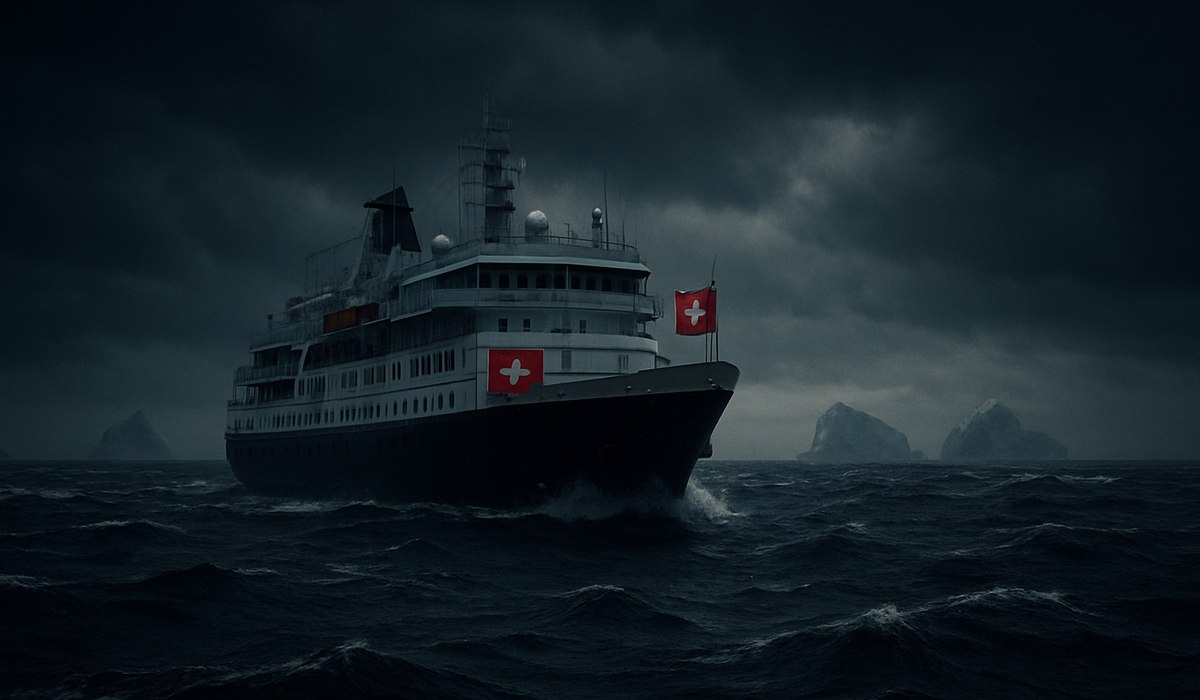
Image generated by AI
A Firsthand Account of Crisis at Sea
A recovered passenger journal reveals life aboard the MV Hondius, the Dutch-flagged expedition vessel that transformed from an Antarctic adventure cruise into a floating quarantine as hantavirus spread silently among travelers in April 2026. The journal captures an intimate, day-by-day documentation of how routine expedition-cruise operations deteriorated into medical emergency, offering travelers an unflinching look at what happens when infectious disease strikes a ship far from shore.
From Antarctic Dreams to Floating Quarantine
The MV Hondius departed Ushuaia, Argentina, on April 1, 2026, carrying passengers eager for an immersive Antarctic expedition. The itinerary promised iceberg-studded seascapes, wildlife landings on remote islands, and expert-led lectures on glaciology and marine ecosystems. Early journal entries describe the typical rhythms of expedition cruising: pre-dawn zodiac excursions to penguin colonies, visits to isolated South Atlantic islands, and evenings spent in the ship's lecture lounge absorbed in presentations about polar ecosystems.
The vessel, operated by Hurtigruten Expeditions, represented the pinnacle of modern expedition cruising. Yet within weeks, the ship's sophisticated medical facilities would become central to managing a deadly outbreak. The passenger journal's opening entries brim with optimism and wonder, documenting pristine wilderness encounters and the camaraderie that forms among like-minded travelers pursuing remote destinations. This backdrop makes the journal's later entries all the more haunting, as the narrative arc shifts from adventure to anxiety.
The Journal's Turning Point: When Adventure Became Anxiety
By mid-April, as the MV Hondius navigated northward toward the South Atlantic, the journal's tone shifts perceptibly. What began as excited observations about bird sightings and sea conditions evolved into cryptic notations: "a cough in the dining room," "a closed cabin door," and "growing speculation about illness." The passenger noted whispered conversations along narrow corridors and increased absences at mealtimes.
International media reports and health agency documentation confirm that the first passenger death occurred during this period. The journal marks this tragic moment with a brief entry about a memorial service at sea, followed by increasingly frequent references to temperature checks, crew members distributing medical questionnaires, and visible anxiety among fellow travelers. The writer documented how the ship's atmosphere transformed from convivial exploration to palpable tension.
Health authorities later confirmed that the outbreak involved a South American hantavirus strain, a virus typically associated with rodent contact. The emergence of this pathogen aboard a cruise ship thousands of miles from known transmission zones raised urgent questions about how the infection reached the vessel and spread among passengers in close quarters. The journal's entries during this phase reflect confusion and concern among the passenger population.
Life Under Lockdown: Daily Reality Aboard the Infected Vessel
As the MV Hondius lingered near Cape Verde while medical teams assessed the situation, the passenger journal documents the surreal experience of quarantine at sea. The writer describes an improvised daily structure: counting laps around the outer deck, timing meal deliveries to the door, noting every announcement's exact minute, and tracking the ship's position via in-cabin televisions.
The journal reveals how rumors traveled faster than official information. With limited internet connectivity, passengers shared fragmented news reports, social media snippets, and emails from family ashore. These communications created shifting understandings of the disease—from initial vague references to "respiratory problems" to specific mentions of hantavirus and speculation about human-to-human transmission. The writer documented how uncertainty fueled anxiety, with passengers spending hours debating the outbreak's origins and progression.
Deck areas remained largely empty. Observation lounges transformed into health screening stations. Crew members, increasingly visible in protective equipment, moved purposefully through passageways. Meals appeared outside cabin doors. Entertainment programs ceased. The journal captures the psychological toll of extended isolation in a confined maritime environment, where passengers watched helicopters arrive to evacuate the critically ill and wondered when they would be permitted ashore.
At least three deaths were confirmed among passengers and crew. More than 140 individuals remained aboard as the ship altered course toward the Canary Islands, where Spanish authorities agreed to dock the vessel. The journal entries from this phase dwell extensively on uncertainty: when would passengers disembark, under what conditions, and what testing would be required before returning to normal life.
What the MV Hondius Outbreak Means for Expedition Cruising
The passenger journal reveals critical lessons about disease management aboard remote expedition vessels. The outbreak challenged fundamental assumptions about the safety of small-ship cruising to isolated regions, where medical evacuation options are limited and resupply of medications and equipment is difficult.
Expedition cruising companies now face heightened scrutiny regarding infectious disease protocols, ventilation systems, and crew training. The incident at the MV Hondius demonstrates that even modern expedition ships with advanced medical facilities remain vulnerable to rapid viral spread in confined quarters. Travelers planning Antarctic or South Atlantic expeditions should research a cruise line's pandemic preparedness measures, isolation room capacity, medical staffing, and evacuation procedures before booking.
The journal serves as a cautionary document for the expedition cruise industry. Hurtigruten Expeditions and competitors operating similar itineraries have implemented enhanced health screening, improved ventilation upgrades, and expanded quarantine capacity. Yet the fundamental risks of traveling to remote regions during periods of infectious disease concern remain real and present.
For travelers, the incident underscores the importance of travel insurance with medical evacuation coverage, trip cancellation protections, and comprehensive illness provisions. The MV Hondius experience illustrates how quickly expedition plans can transform into medical crises requiring helicopter evacuation and extended quarantine at sea.
Cruise Itinerary at a Glance
| Aspect | Details |
|---|---|
| Ship Name | MV Hondius |
| Operator | Hurtigruten Expeditions |
| Departure Port | Ushuaia, Argentina |
| Departure Date | April 1, 2026 |
| Primary Destination | Antarctic Peninsula & South Atlantic Islands |
| Ports of Call | Various isolated Antarctic landing sites, South Atlantic islands, Cape Verde, Canary Islands |
| Passenger Capacity | 200-250 guests (approximate) |
| Outbreak Duration | Mid-April through late April 2026 |
| Confirmed Deaths | 3 passengers |
| Infected Individuals | Multiple confirmed cases (exact count not publicly disclosed) |
| Final Port | Canary Islands (emergency diversion) |
What This Means for Travelers
1. Verify cruise line health protocols before booking any expedition cruise. Research the vessel's medical facilities, isolation room capacity, and crew training in infectious disease response. Consult your cruise line's website and contact their health and safety department directly.
2. Invest in comprehensive travel insurance that includes medical evacuation coverage, trip cancellation protection, and illness-related provisions. Standard cruise insurance often excludes pandemic-related claims; ensure your policy covers infectious disease scenarios specific to remote destinations.
3. Monitor disease alerts issued by health agencies covering your intended cruise region. The CDC, WHO, and national health ministries issue regular updates about emerging infectious diseases. Check these sources 2-4 weeks before travel.
4. Pack emergency medications and medical supplies for extended isolation scenarios. Include prescription medications, fever reducers, cough suppressants, and hand sanitizer, recognizing that resupply options are extremely limited aboard ships at sea.
5. Understand evacuation capabilities in your intended cruise region. Antarctic and South Atlantic cruising offers limited emergency medical evacuation options. Know whether your route includes helicopter evacuation access or requires rerouting to the nearest capable port.
6. Review cancellation policies and force majeure clauses in your
Disclaimer
This article is for informational and educational purposes only. It does not constitute legal, financial, or professional advice. While we strive to provide accurate and up-to-date information, travel policies, regulations, and conditions change rapidly. Always verify information with official sources before making travel decisions. Nomad Lawyer makes no representations about the accuracy, reliability, completeness, or suitability of the information provided. Readers should consult qualified professionals for advice specific to their circumstances. The views expressed in this article are those of the author and do not necessarily reflect the views of Nomad Lawyer.
Raushan Kumar
Founder & Lead Developer
Full-stack developer with 11+ years of experience and a passionate traveller. Raushan built Nomad Lawyer from the ground up with a vision to create the best travel and law experience on the web.
Learn more about our team →