
Swan Hellenic Just Opened West Africa to Luxury Cruising — Here's What Travelers Need to Know
Swan Hellenic has launched year-round luxury cruise itineraries to West Africa — including Mauritania's UNESCO Banc d'Arguin, Nigeria, and Congo — to eliminate costly empty repositioning voyages.

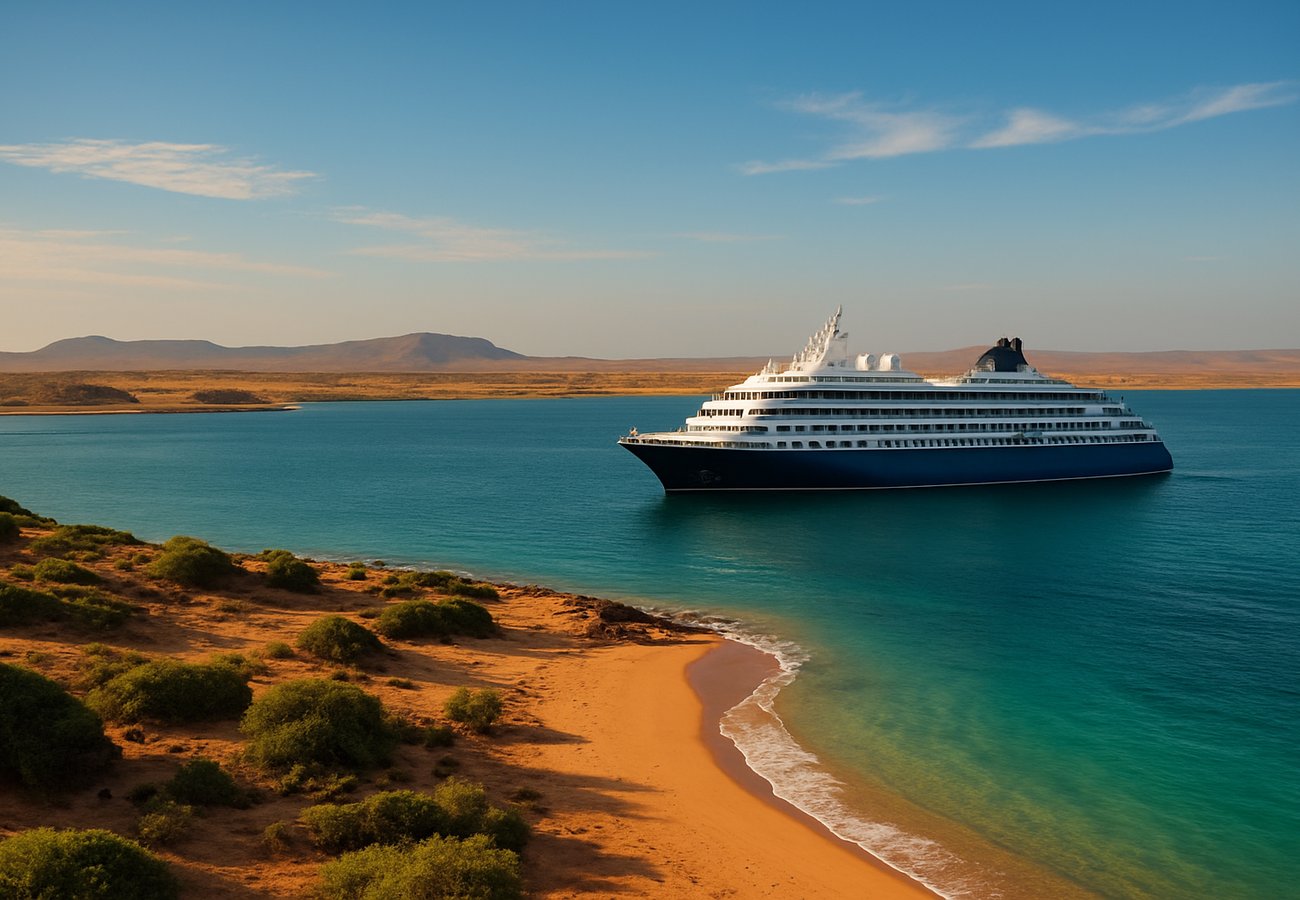
Image generated by AI
Quick Summary
- Swan Hellenic CEO Andrea Zito has announced a major strategic expansion into West Africa, adding year-round itineraries to Mauritania, Nigeria, and Congo.
- The move directly addresses the financial unsustainability of repositioning empty ships between polar seasons, replacing dead legs with revenue-generating sailings.
- The company has secured authorizations to cruise Mauritania's Banc d'Arguin National Park — a UNESCO World Heritage site renowned for extraordinary birdwatching.
- The expansion prioritizes sustainable, low-impact tourism that actively engages local tourism ministries and benefits regional communities.
Swan Hellenic has officially broken out of the polar corridor. CEO Andrea Zito has announced the company's landmark expansion into West Africa, adding year-round sustainable luxury itineraries that visit Mauritania, Nigeria, and Congo — destinations that have rarely, if ever, appeared on mainstream cruise calendars. The move addresses a hard commercial reality while simultaneously opening some of the planet's most culturally rich and least-visited coastlines to expedition-style luxury travelers.
The Commercial Problem That Drove the West Africa Decision
Swan Hellenic built its reputation on polar expedition cruising — Antarctica in the austral summer, the Arctic in the boreal summer. But operating exclusively in polar seasons leaves ships generating zero revenue during the transitions between hemispheres.
CEO Andrea Zito put the challenge plainly: "We need to find a way of operating 365 days per year successfully." The cost of repositioning vessels without passengers has become financially unsustainable at the scale the company now operates. Rather than absorbing those losses, Swan Hellenic chose to eliminate the dead legs entirely by replacing them with commercially viable itineraries in an entirely new region.
Key Facts & Highlights
- CEO: Andrea Zito confirmed the strategic expansion publicly.
- New Regions: Mauritania, Nigeria, and Congo now on Swan Hellenic's sailing itinerary.
- UNESCO Site: Authorizations secured for Mauritania's Banc d'Arguin National Park — a World Heritage site celebrated for exceptional birdwatching.
- Operating Model: Year-round, 365-day operations replacing seasonal polar-only scheduling.
- Stakeholder Engagement: Active partnerships with local tourism ministries and government officials across West Africa.
- Travel Philosophy: Sustainable, low-impact luxury expedition cruising with cultural immersion focus.
West Africa's Untouched Cruise Frontier
The destinations now entering Swan Hellenic's portfolio represent a genuinely different category of cruise experience. These are not polished port cities with established tourist infrastructure — they are remote, biodiverse, and culturally complex environments where formal expedition cruising has barely existed.
The crown jewel of the new itinerary access is Mauritania's Banc d'Arguin National Park. One of Africa's most significant protected marine and coastal ecosystems, the park holds UNESCO World Heritage status and draws serious naturalists and birdwatchers from around the world for its extraordinary concentration of migratory and resident bird species. Swan Hellenic has secured the necessary authorizations to operate in this protected area — a process that required direct engagement with Mauritanian government authorities.
Nigeria and Congo also appear on the expanded itinerary map, giving passengers access to two of West Africa's most culturally layered countries. These destinations offer cruise travelers something fundamentally different from both the polar regions and traditional Mediterranean ports: rich living cultures, complex ecosystems, and the genuine sense of arriving somewhere few international visitors have reached by sea.
Sustainability at the Core of the West Africa Model
Swan Hellenic's expansion is not simply a commercial maneuver. The company is explicitly structuring its West Africa operations around sustainable, responsible tourism principles — a positioning that reflects both the ecological sensitivity of the destinations and the values of its target traveler.
Operating in regions with limited existing tourism infrastructure means Swan Hellenic must actively manage its environmental footprint from the ground up. The company is working directly with local tourism ministries and regional governments to ensure that cruise visits generate tangible community benefits rather than extracting value without reciprocity. This model of embedded partnership — rather than transactional port calls — positions Swan Hellenic as a sustainable tourism operator in the truest sense.
What This Means for Travelers
For expedition-minded luxury travelers, Swan Hellenic's West Africa itineraries represent one of the most genuinely rare opportunities in 2026 global cruising. The combination of UNESCO-protected natural sites, deeply unfamiliar cultural destinations, and an expedition operator with strong polar credentials creates a product that the mainstream cruise industry has not previously offered.
Travelers considering this region should be aware of a few practical realities:
- Passport and visa requirements for West African nations vary significantly — verify entry requirements for Mauritania, Nigeria, and the Republic of Congo well in advance.
- Expedition-style conditions: These are not beach resort itineraries. Expect Zodiac-based shore landings, naturalist-led excursions, and limited onshore commercial infrastructure.
- Advance booking: Authorizations for protected areas like Banc d'Arguin are capacity-controlled — demand for limited berths is likely to be high.
Conclusion
Swan Hellenic's pivot to West Africa is both a financially pragmatic move and a genuine expansion of what luxury expedition cruising can offer the world's most adventurous travelers. By securing access to UNESCO-protected ecosystems, embedding itself in regional government relationships, and committing to year-round sustainable operations, the company is staking a credible claim on one of global cruise tourism's last truly undiscovered frontiers.
Frequently Asked Questions (FAQ)
Why is Swan Hellenic expanding into West Africa? CEO Andrea Zito cited the unsustainable cost of repositioning empty ships between polar seasons. By adding year-round West Africa itineraries, the company eliminates revenue-negative transit legs and replaces them with commercially viable sailings.
Which West African countries are now on Swan Hellenic's itinerary? The company has announced sailings to Mauritania, Nigeria, and Congo as part of its expanded year-round operations.
What is Banc d'Arguin National Park? Banc d'Arguin is a UNESCO World Heritage site on Mauritania's Atlantic coast, renowned for its extraordinary birdwatching opportunities and protected marine ecosystems. Swan Hellenic has secured special authorizations to operate in this protected area.
Is Swan Hellenic's West Africa cruising sustainable? Yes. The company is actively engaging with local tourism ministries and regional governments to ensure that its expedition itineraries support local communities and maintain a low environmental impact in destinations with limited existing tourism infrastructure.
Related Travel Guides
Sustainable Expedition Cruising in West Africa
Disclaimer
This article is for informational and educational purposes only. It does not constitute legal, financial, or professional advice. While we strive to provide accurate and up-to-date information, travel policies, regulations, and conditions change rapidly. Always verify information with official sources before making travel decisions. Nomad Lawyer makes no representations about the accuracy, reliability, completeness, or suitability of the information provided. Readers should consult qualified professionals for advice specific to their circumstances. The views expressed in this article are those of the author and do not necessarily reflect the views of Nomad Lawyer.
Kunal K Choudhary
Co-Founder & Contributor
A passionate traveller and tech enthusiast. Kunal contributes to the vision and growth of Nomad Lawyer, bringing fresh perspectives and driving the community forward.
Learn more about our team →