
Images Reveal Life Aboard Hantavirus-Stranded Cruise Off Cape Verde
Striking photographs document how passengers aboard the MV Hondius are adapting to extended quarantine following a deadly hantavirus outbreak in 2026. The Dutch-flagged vessel remains anchored off Cape Verde as medical teams monitor stranded travelers.

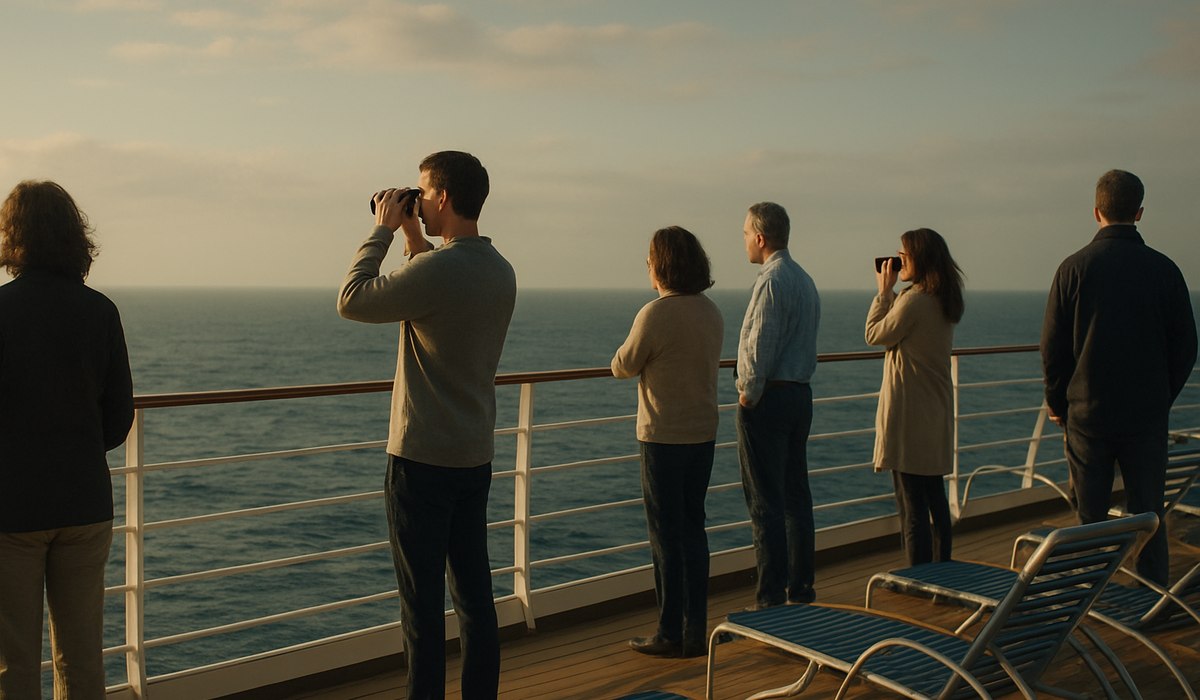
Image generated by AI
Photographs Show Passengers Coping with Unexpected Quarantine at Sea
The MV Hondius, a Dutch-flagged expedition cruise vessel operated by Lindblad Expeditions-National Geographic, has become an unintended floating quarantine after a deadly hantavirus outbreak claimed three lives. The ship now sits anchored off Cape Verde, with newly released images revealing how stranded passengers are navigating extended isolation while medical teams conduct daily health monitoring. What began as a wildlife expedition between South America and West Africa has transformed into a unprecedented scenario where travelers adapt to prolonged confinement and uncertainty.
Snapshots of an Unplanned Quarantine at Sea
The MV Hondius set sail from Ushuaia, Argentina in early April 2026, carrying expedition travelers eager to observe polar wildlife and remote island ecosystems. Images circulating through international media outlets now document a starkly different reality—passengers clustered in small, distanced groups across outdoor decks, reading novels, playing cards, and scanning horizons through binoculars. Deck chairs sit spaced farther apart than typical cruise ship layouts, creating improvised isolation zones on a vessel designed for social engagement rather than separation.
The photographs reveal passengers maintaining composure despite uncertainty. Some wear masks while observing seabirds from railings, continuing their original expedition mission under medical supervision. Cabin balconies showcase laundry drying in Atlantic breezes, handwritten messages taped to portholes, and personal items arranged in improvised spaces. These visual details underscore how guests are recalibrating daily routines to an indefinite wait for health clearance. Entertainment has shifted from organized activities to quieter pursuits: photography, language exchanges among multinational travelers, and exercise routines on exterior decks. Reports suggest the atmosphere remains subdued yet orderly, with crew managing the delicate balance between containment protocols and passenger morale.
For detailed information about expedition cruising, visit Cruise Critic's expedition category.
How Passengers Are Adapting to Extended Isolation
Living aboard a quarantined vessel requires psychological resilience and practical creativity. Photographs and passenger accounts reveal several adaptation strategies now underway on the Hondius. Travelers have reorganized cabins to maximize personal space, with luggage repacked and stacked in corners to create functional living arrangements. Daily routines now emphasize structured activities rather than the spontaneous social mixing typical of cruise vacations.
Crew members facilitate modest entertainment programming within isolation parameters. Multinational passenger groups have formed informal study circles, with English and Spanish language lessons creating intellectual engagement. Fitness-conscious travelers utilize designated deck areas for exercise routines, maintaining physical health during extended containment. Some passengers have become informal photographers and naturalists, documenting seabirds and marine life visible from the vessel—fulfilling their original expedition objectives despite restrictions. Medical staff conduct regular wellness checks, creating structured interaction points and providing psychological support. Food service has adapted to accommodate larger numbers eating in shifts rather than communal dining. The ship's library has become a popular refuge, with guests working through extensive reading lists. Social media posts from aboard reveal cautious optimism, with travelers framing the situation as extraordinary rather than catastrophic.
Health Monitoring and the Hunt for Symptoms
According to international health briefings and media reports, at least eight passengers aboard the MV Hondius have been identified as confirmed or suspected hantavirus cases. The Andes strain linked to this outbreak, typically associated with rodents in South American regions, can rarely transmit between humans and causes severe respiratory disease. Medical protocols on the vessel have intensified dramatically since symptoms first appeared in late April.
Onboard medical personnel and visiting health workers conduct daily temperature checks, interview patients about symptoms, and monitor for fever, headache, gastrointestinal distress, and respiratory complications. Images show crew wearing protective equipment—gloves, masks, and gowns—as they navigate corridors and exterior spaces, underscoring the pathogen's seriousness. Laboratory testing capability has been enhanced through coordination with South African medical facilities, where several symptomatic passengers were evacuated earlier. Hantavirus incubation periods, measured in weeks rather than days, mean the remaining shipboard population faces an extended observation window compared to respiratory viruses with shorter latency periods. Health agencies quoted in recent coverage stress that while individual cases require serious medical attention, overall public risk remains low relative to highly transmissible infections. For the approximately 200 passengers and crew remaining aboard, the immediate priority centers on completing the monitoring period without additional symptom emergence among cabin neighbors, friends, or staff members.
Cruise Itinerary at a Glance
| Route Segment | Departure Port | Destination Port | Original Duration | Primary Focus | Current Status |
|---|---|---|---|---|---|
| Leg One | Ushuaia, Argentina | Cape Verde, Atlantic | April–May | Polar wildlife expedition | Curtailed, medical hold |
| Planned Extension | Cape Verde | Canary Islands | Pending | Disembarkation | Delayed, health dependent |
| Wildlife Stops | Remote South Atlantic islands | Sub-Antarctic waters | Multiple days | Seabird/marine observation | Under quarantine restrictions |
| Expedition Activities | Zodiac excursions | Naturalist-led walks | Daily | Expedition programming | Suspended during containment |
| Medical Monitoring | Onboard clinic | Coordination with shore | Daily checks | Health surveillance | Active with enhanced protocols |
What Happens Next for Stranded Travelers
The MV Hondius is currently heading toward the Canary Islands, where passengers may eventually disembark pending continued symptom-free health status. Port authorities in Spain have begun coordinating reception protocols, though no firm timeline for docking has been announced. Lindblad Expeditions-National Geographic has arranged extended accommodations for passengers requiring shore-based lodging and has committed to rebooking affected travelers on future expeditions at no additional charge.
International media reports indicate that repatriation flights are being coordinated for passengers wishing to return home directly rather than continue the voyage. Airlines have waived change fees for travelers affected by this incident. Travel insurance claims are being processed, though coverage varies depending on individual policy language regarding epidemiological events. Some passengers have documented their experiences for media outlets and social platforms, contributing to public understanding of cruise ship health emergencies. Psychological support services are available to travelers upon disembarkation, addressing potential trauma from extended quarantine. The incident has prompted discussion within the cruise industry about enhanced epidemiological protocols, ventilation standards, and quarantine preparedness. Lindblad's operational leadership is conducting full investigations into the outbreak's origin and transmission vectors.
Key Takeaways for Travelers Booking Expeditions
Here are essential considerations for travelers evaluating cruise vacations in 2026 and beyond:
-
Health Documentation: Before boarding any cruise, ensure current vaccinations are documented and research endemic disease risks along your specific itinerary.
-
Travel Insurance: Purchase comprehensive coverage explicitly including epidemiological events, medical evacuation, and trip interruption. Review policy language carefully.
-
Vessel Selection: Choose established operators with strong medical facilities and clear health protocols, such as those listed on Cruise Critic's ship database.
-
Emergency Preparedness: Pack personal medications, comfort items, and entertainment for potential delays extending beyond typical voyage duration.
-
Communication Plans: Arrange regular check-in protocols with family and ensure your cruise line has current emergency contact information.
-
Destination Research: Investigate current health alerts from official sources like the CDC and WHO before finalizing bookings.
Frequently Asked Questions
What is hantavirus and how does it spread? Hantavirus refers to a group of viruses carried by rodents in various
Disclaimer
This article is for informational and educational purposes only. It does not constitute legal, financial, or professional advice. While we strive to provide accurate and up-to-date information, travel policies, regulations, and conditions change rapidly. Always verify information with official sources before making travel decisions. Nomad Lawyer makes no representations about the accuracy, reliability, completeness, or suitability of the information provided. Readers should consult qualified professionals for advice specific to their circumstances. The views expressed in this article are those of the author and do not necessarily reflect the views of Nomad Lawyer.
Kunal K Choudhary
Co-Founder & Contributor
A passionate traveller and tech enthusiast. Kunal contributes to the vision and growth of Nomad Lawyer, bringing fresh perspectives and driving the community forward.
Learn more about our team →