
Panama Unlocks New Tourism Growth in 2026 as Millions of Visitors, Hotels and Events Drive Economic Rise
Panama Unlocks New Tourism Growth in 2026 as Millions of Visitors, Hotels and Events Drive Economic Rise

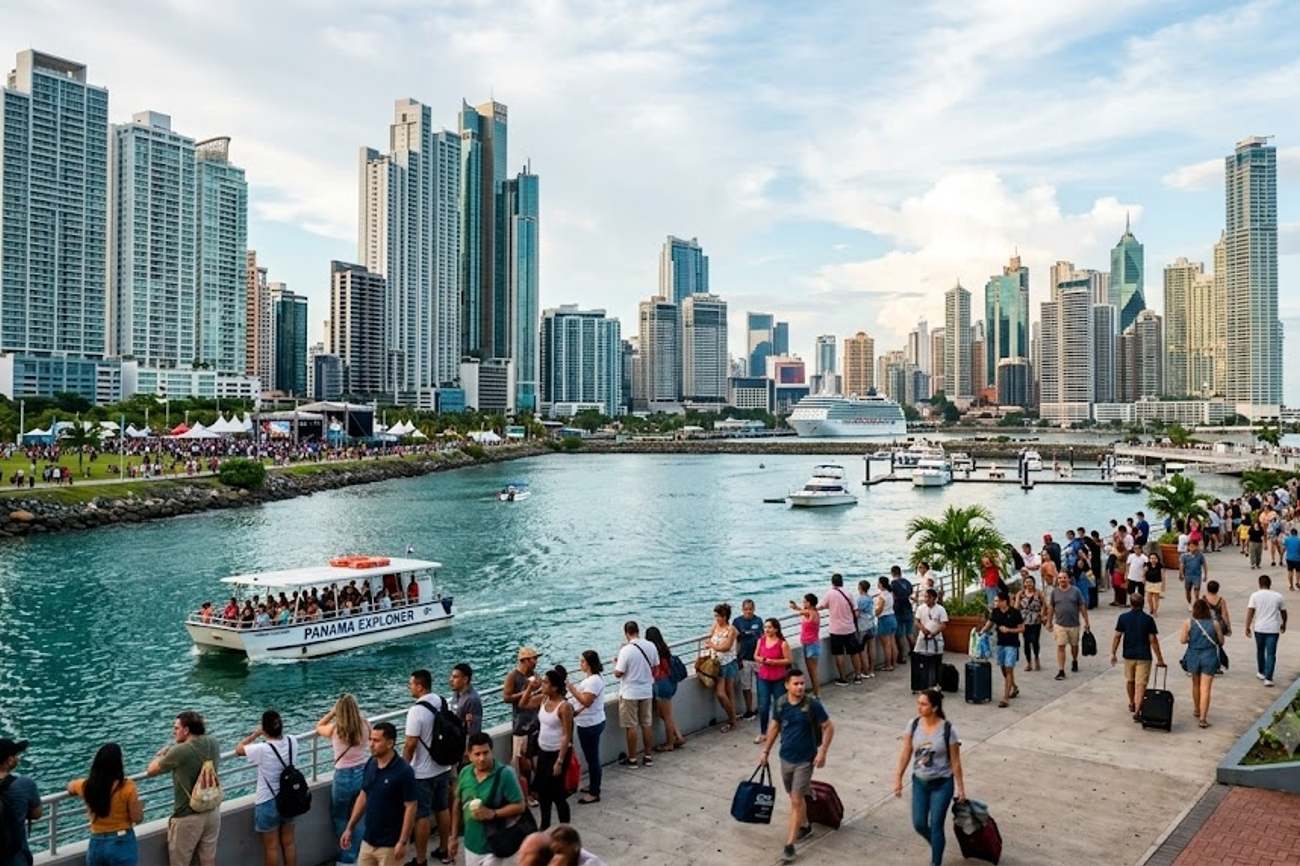
Image generated by AI
[Panama City, July 2026] — Panama has recorded a 17.4% surge in international arrivals during the first half of 2026, welcoming 1.76 million visitors and generating an estimated US$3.5 billion in economic impact.
The growth, reported by the Panama Tourism Authority, signals a strategic pivot for the Central American nation as it aggressively diversifies its visitor base. Between January and June 2026, the country expanded its reach beyond traditional leisure travel, leveraging a spike in business tourism and a revamped stopover strategy to drive national economic activity.
The Drivers of Tourism Expansion
The current surge is not the result of a single market trend but a convergence of three distinct growth pillars: leisure demand, corporate events, and aviation connectivity. The Panama Tourism Authority reports that the country is successfully reducing its reliance on a single traveler profile, instead attracting a balanced mix of nature seekers, urban explorers, and corporate delegates.
A critical component of this growth is the role of the Tocumen International Airport, which serves as the primary gateway for the region. The airport handled 11.53 million passengers in the first six months of 2026, a 15% increase over the previous year. While the airport remains a powerhouse for transit, the government is now focusing on "leakage" — the high volume of passengers who pass through the terminal without entering the country.
Market Impact and Sector Performance
The influx of visitors has directly benefited the hospitality sector, with data from STR industry measurements showing a significant uptick in accommodation demand.
| Metric | H1 2026 Performance | Year-on-Year Change |
|---|---|---|
| International Arrivals | 1.76 Million | +17.4% |
| Hotel Occupancy Rate | 67.6% | +14% |
| Airport Passenger Volume | 11.53 Million | +15% |
| Stopover Program Participants | 132,000+ | +38% |
| Total Economic Impact | US$3.5 Billion | N/A |
The MICE (Meetings, Incentives, Conventions, and Exhibitions) sector has emerged as a high-value revenue stream. In the first half of 2026, Panama hosted 74 international events, which drew 113,900 participants. These corporate gatherings generated 48,000 hotel room nights and contributed US$91.5 million to the economy.
Practical Traveler Advisory and Strategic Insights
For the average traveler or business professional, Panama's current trajectory results in several practical changes to how they visit the region:
1. More Flexible Stopovers: The most significant change is the expansion of the Panama Stopover programme. In collaboration with Copa Airlines, the government has increased the maximum permitted stopover period from seven days to 15 days. Travelers can now spend up to two weeks exploring the country without incurring additional airfare costs.
2. Increased Hotel Demand: With occupancy rates hitting 67.6%, travelers should expect tighter hotel availability and potentially higher seasonal pricing, particularly in Panama City and coastal hubs. Early booking is now essential for those visiting during peak convention windows.
3. Diversified Experiences: The shift toward nature, heritage, and adventure tourism means more infrastructure is being developed outside the capital. Travelers have more options for "city-to-coast" itineraries than in previous years.
The Strategy to Convert Transit to Tourism
Despite the record passenger numbers at Tocumen, a stark data point remains: 76% of airport passengers in June 2026 were transit travelers who did not leave the airport. This represents a massive untapped market that the Panama Tourism Authority is actively targeting.
The Stopover programme is the primary tool for this conversion. By allowing passengers to exit the airport and enter the country for up to 15 days for free, Panama is attempting to turn a logistical necessity (a layover) into a tourism product. The 38% increase in program participants during H1 2026 suggests this strategy is gaining traction.
2026 Pipeline and Future Outlook
The momentum is expected to continue through the second half of the year. The business travel sector, in particular, has a strong trajectory with 110 international events already confirmed for the remainder of 2026.
This pipeline ensures a steady flow of high-spending corporate visitors who support not only hotels but also local transport providers and the restaurant industry. By positioning itself as the bridge between North and South America, Panama is leveraging its geography to compete with other regional hubs for global corporate gatherings.
The long-term goal is a "balanced tourism landscape" where the economy is not vulnerable to a dip in any single sector. By weaving together the high-volume transit of Tocumen, the high-spend MICE sector, and the growing appeal of its natural landscapes, Panama is insulating its travel economy against market volatility.
FAQ: Panama Travel 2026
How does the Panama Stopover program work? It allows passengers flying with Copa Airlines to stay in Panama for up to 15 days without paying extra for their airfare. This converts a standard layover into a vacation, allowing travelers to explore the city and coast before continuing to their final destination.
Is it more expensive to book hotels in Panama now? With hotel occupancy rising to 67.6% (a 14% increase), demand is higher than in previous years. While not necessarily "more expensive" across the board, availability is tighter, making advance reservations critical for business and leisure travelers.
What is the best time for business travel to Panama in 2026? With 110 international events confirmed for the year, the calendar is dense. Travelers should check the official MICE calendar to avoid peak convention dates if they want lower hotel rates, or book early to ensure proximity to event venues.
Are there options for travelers who don't want to stay in Panama City? Yes. The current growth is driven by a shift toward nature, adventure, and coastal experiences. There is an increasing focus on heritage sites and beaches, supported by the extended 15-day stopover window.
Panama is no longer just a place to change planes; it is becoming a destination in its own right.
Related Travel Guides
- Ontario Wilderness Expeditions Spike Wild Tourism Demand For Thrill Seekers Seeking To Travel Canada, Find Out Now
- Ohio,Oklahoma and Oregon Tourism Race: How Three US States Are Transforming Travel Growth in 2025–26
- China Teams Up With Sri Lanka and More Countries to Support Nepal Tourism Rebound After Bhote Koshi Floods
Disclaimer
This article is for informational and educational purposes only. It does not constitute legal, financial, or professional advice. While we strive to provide accurate and up-to-date information, travel policies, regulations, and conditions change rapidly. Always verify information with official sources before making travel decisions. Nomad Lawyer makes no representations about the accuracy, reliability, completeness, or suitability of the information provided. Readers should consult qualified professionals for advice specific to their circumstances. The views expressed in this article are those of the author and do not necessarily reflect the views of Nomad Lawyer.
Raushan Kumar
Founder & Lead Developer
Full-stack developer with 11+ years of experience and a passionate traveller. Raushan built Nomad Lawyer from the ground up with a vision to create the best travel and law experience on the web.
Learn more about our team →