
Oregon Wildfire Smoke Tourism Advisory: How Bend and Central Oregon Adapt to Summer Air Quality Shifts

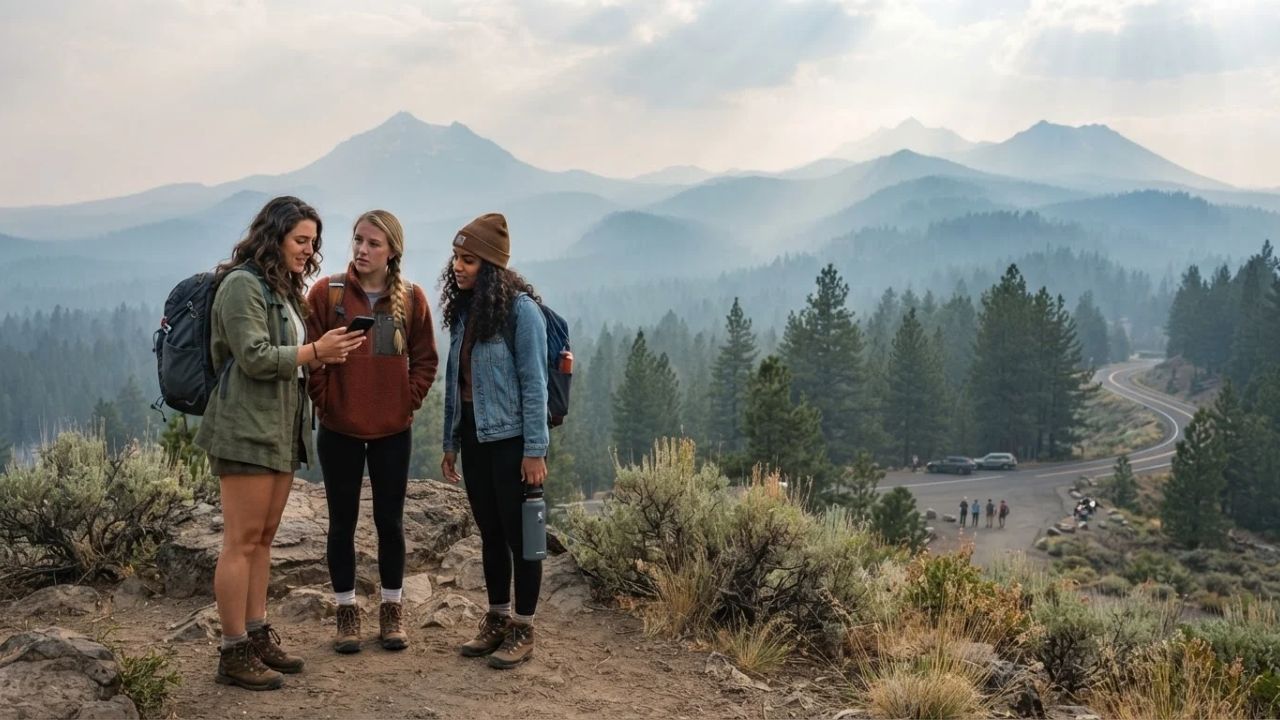
Prolonged wildfire smoke events across the Pacific Northwest are reshaping Oregon’s outdoor travel economy, prompting state tourism boards and mountain communities to pivot away from high-risk summer peaks toward resilient shoulder seasons and microclimate travel. Grounded in pioneering research from Oregon State University’s Sustainable Tourism Lab, destination managers in outdoor adventure hubs like Bend, Sunriver, and Ashland are redefining how travelers navigate air quality, protect rural economies, and plan climate-conscious wilderness getaways.
For generations, summer stood as the unchallenged gold rush for Oregon tourism. Millions of hikers, mountain bikers, river rafters, and campervan road-trippers flocked to the volcanic peaks of the Cascade Range, the sapphire depths of Crater Lake National Park, and the ponderosa pine forests of Central Oregon. However, intensifying wildfire seasons—driven by regional drought and heavy fuel loads across western forests—have transformed atmospheric smoke into a defining seasonal travel factor. Because smoke plumes can drift hundreds of miles from active fire perimeters, towns facing no direct physical threat often see sudden drops in air quality that ground outdoor itineraries and challenge seasonal hospitality providers.
The Local Trend Revealed: Data-Driven Travel and the Bend Case Study
The intersection of wildfire smoke and tourism behavior is no longer based on anecdotal observation; it is now backed by empirical tourism science. Groundbreaking studies conducted by the Oregon State University (OSU) Sustainable Tourism Lab examined the direct economic reverberations of degraded air quality on visitor spending, focusing on Bend as a premier case study.
Bend represents an outdoor recreation epicenter that relies heavily on its proximity to the Deschutes National Forest, Mount Bachelor, and the Three Sisters wilderness. The OSU analysis revealed a sharp behavioral threshold:
- The Two-Day Resilience Window: Leisure travelers demonstrate remarkable tolerance for brief smoke incursions lasting 24 to 48 hours, typically shifting to indoor pursuits like visiting craft breweries, art galleries, or climbing gyms.
- The Prolonged Inversion Tipping Point: When air quality index (AQI) ratings remain in the "Unhealthy for Sensitive Groups" (101–150) or "Unhealthy" (151–200) categories for three or more consecutive days, visitor behavior shifts abruptly from adaptation to cancellation.
- Diffused Economic Shock: Losses extend far beyond hotel occupancy. Guiding outfits, mountain bike rental shops, kayak liveries, open-air dining patios, and regional music festivals experience immediate revenue contractions, placing severe cash-flow strain on small businesses that historically relied on July and August to sustain them through winter.
In response, Travel Oregon, the state’s official tourism commission, alongside regional destination marketing organizations, is pioneering proactive traveler communication. Instead of issuing broad, panic-inducing statewide warnings, tourism agencies now provide hyper-localized, real-time air quality dashboards, educating travelers on how microclimates, prevailing winds, and elevation differences create safe havens across the state.
Cultural & Environmental Value: Ecological Stewardship and Forest Resilience
Adapting to wildfire smoke requires understanding the historical ecology of the Pacific Northwest. Wildfire is not an unnatural anomaly in Oregon; fire is a natural, necessary ecological mechanism that shaped the region’s dry-side ponderosa pine and mixed-conifer forests for millennia.
A century of total fire suppression disrupted this natural cycle, allowing forest understories to become unnaturally dense with tinder. Today, state agencies like the Oregon Department of Forestry (ODF), alongside federal partners at the United States Forest Service (USFS) and regional Native American tribes, are returning intentional fire to the forest floor through controlled prescribed burns and traditional cultural burning practices.
For visitors, the shift toward sustainable tourism creates opportunities to support regional conservation:
- Direct Support for Rural Diversification: By visiting small gateway towns like Sisters, Oakridge, or Prospect during non-peak windows, travelers inject vital income into locally owned cafes, gear outfitters, and family-run lodges, helping these communities maintain year-round employment.
- Low-Impact Wilderness Ethics: Climate-aware travelers adhere strictly to Stage 1 and Stage 2 public fire restrictions (burn bans), replacing traditional wood campfires with portable propane stoves to eliminate human-caused wildfire ignitions.
- Indoor Clean-Air Community Sanctuaries: In Central and Southern Oregon, public libraries, cultural heritage museums (such as the High Desert Museum south of Bend), and indoor sports facilities have installed commercial MERV-13 and HEPA filtration systems, serving as clean-air gathering spots that protect both community residents and visiting families.
Visitor Insider Tips: Navigating Oregon During Fire and Smoke Season
Exploring Oregon during late summer requires flexibility, informed preparation, and an understanding of regional microclimates:
Real-Time Air Quality Monitoring Tools
- Consult the Oregon Smoke Blog: Bookmark the interagency portal (oregonsmoke.blogspot.com), operated cooperatively by the Oregon Department of Environmental Quality (DEQ), ODF, USFS, and tribal authorities. It provides daily meteorologist-written smoke outlooks, wildfire satellite imagery, and smoke dispersion forecasts.
- Leverage the AirNow App: Use the EPA’s AirNow interactive map, specifically the Fire and Smoke Map, which combines official regulatory air monitors with crowd-sourced PurpleAir low-cost sensor data to provide neighborhood-level particulate readings (PM2.5).
- Check ODOT TripCheck: Consult the Oregon Department of Transportation portal (tripcheck.com) before driving mountain passes (such as Santiam Pass on US-20 or Willamette Pass on OR-58) to monitor road closures, pilot car escorts, and reduced-visibility travel alerts.
Microclimate Escape Routes
- The Pacific Marine Buffer (Oregon Coast): When persistent high-pressure ridges trap wildfire smoke inside the Willamette Valley or the Cascade rain shadow, prevailing onshore Pacific marine winds often keep the Oregon Coast remarkably clear. Highway 101 communities such as Cannon Beach, Pacific City, Newport, and Yachats offer scenic coastal headland hikes, tidepooling, and cool ocean breezes unaffected by inland smoke.
- Columbia River Gorge Wind Corridors: Strong easterly or westerly maritime winds funneled through the Columbia River Gorge frequently scour smoke out of the river corridor, offering clear hiking trails around Hood River and the Fruit Loop agricultural trail.
- Underground Lava Tubes: When surface air quality drops in Bend, head beneath the volcanic crust. Subterranean geological attractions like the Lava River Cave in Newberry National Volcanic Monument feature naturally cooled, underground air that remains shielded from surface particulate matter.
Packing Essentials and Flexible Booking
- High-Efficiency Respiratory Protection: Pack well-fitted N95 or KN95 particulate respirators. Cloth bandanas and standard surgical masks do not filter fine microscopic smoke particles (PM2.5).
- Flexible Booking Policies: Reserve accommodations and guided excursions through providers offering flexible, weather-related credit or rescheduling options. Purchase comprehensive travel insurance policies that specifically cover environmental air quality disruptions.
Regional Flavors: Savoring Pacific Northwest Gastronomy
When outdoor trails are obscured by haze, Oregon’s vibrant indoor culinary culture provides a world-class alternative. Central Oregon and the surrounding river valleys boast rich agricultural, brewing, and culinary traditions:
- Bend’s Craft Beer Trail: Revered globally as a craft brewing capital, Bend features one of the highest concentrations of craft breweries per capita in the United States. Iconic destinations along the Bend Ale Trail—such as Deschutes Brewery, Crux Fermentation Project, and Boneyard Beer—pair refreshing Pacific Northwest IPAs (brewed with fresh Willamette Valley hops) with hearty gastropub dining inside temperature-controlled, air-filtered tasting rooms.
- Pacific Northwest Steelhead and Wild Salmon: Regional menus celebrate sustainably harvested fish from the Columbia and Deschutes rivers. Local chefs prepare Columbia River steelhead pan-seared on cedar planks, served alongside sweet corn succotash, foraged chanterelle mushrooms, and charred lemon butter.
- Marionberry and Huckleberry Delicacies: Bred by Oregon State University in the 1950s, the marionberry is hailed as the "Cabernet of blackberries," offering a rich, tart-sweet flavor. Sample warm marionberry cobbler topped with local Tillamook vanilla bean ice cream, or taste wild mountain huckleberry compote drizzled over buttermilk pancakes in cozy mountain lodges.
- Willamette Valley Pinot Noir: Just west over the Cascade passes, the cool-climate vineyards of the Willamette Valley produce some of the finest Pinot Noir and Chardonnay in the world. Boutique tasting rooms in Dundee, McMinnville, and Carlton offer intimate, indoor seated tastings paired with artisanal Oregon cheeses like Rogue River Blue.
Tourism Outlook: Embracing the Shoulder Seasons and Year-Round Travel
The challenges posed by wildfire smoke are accelerating an overdue evolution in how travelers experience Oregon. Rather than concentrating demand into a frantic eight-week summer window, the state’s tourism infrastructure is strategically pivoting toward the shoulder seasons of spring and autumn:
- Spring Wildflowers and Rushing Waterfalls (April to June): Spring brings snowmelt that turns Cascade waterfalls—including Multnomah Falls, Sahalie Falls, and Salt Creek Falls—into thunderous spectacles. Desert wildflowers paint Central Oregon’s sagebrush plains in brilliant yellows and purples, while air quality remains consistently pristine.
- Autumn Foliage and Crisp Trail Days (September to November): As daytime temperatures cool into the 60s°F (15°C to 18°C), the golden needles of western tamarack (larch) illuminate high Cascade ridges, while vine maples turn fiery red. With wildfire activity tapering off, autumn provides some of the clearest, most rewarding trail conditions of the entire year.
- Winter Snowscapes (December to March): Central Oregon transitions seamlessly into a winter wonderland, offering downhill skiing at Mount Bachelor, backcountry snowshoeing, and cross-country skiing along groomed Nordic trail networks.
By diversifying travel calendars, respecting forest fire safety, and supporting local businesses across every season, conscious travelers ensure that Oregon’s beloved outdoor communities remain vibrant, resilient, and welcoming for generations to come.
Related Travel Guides
Disclaimer
This article is for informational and educational purposes only. It does not constitute legal, financial, or professional advice. While we strive to provide accurate and up-to-date information, travel policies, regulations, and conditions change rapidly. Always verify information with official sources before making travel decisions. Nomad Lawyer makes no representations about the accuracy, reliability, completeness, or suitability of the information provided. Readers should consult qualified professionals for advice specific to their circumstances. The views expressed in this article are those of the author and do not necessarily reflect the views of Nomad Lawyer.
Raushan Kumar
Founder & Lead Developer
Full-stack developer with 11+ years of experience and a passionate traveller. Raushan built Nomad Lawyer from the ground up with a vision to create the best travel and law experience on the web.
Learn more about our team →