
Oklahoma City Travel Surges as State Fair Mural Challenge Ignites Powerful New Art Tourism Wave
Oklahoma City Travel Surges as State Fair Mural Challenge Ignites Powerful New Art Tourism Wave

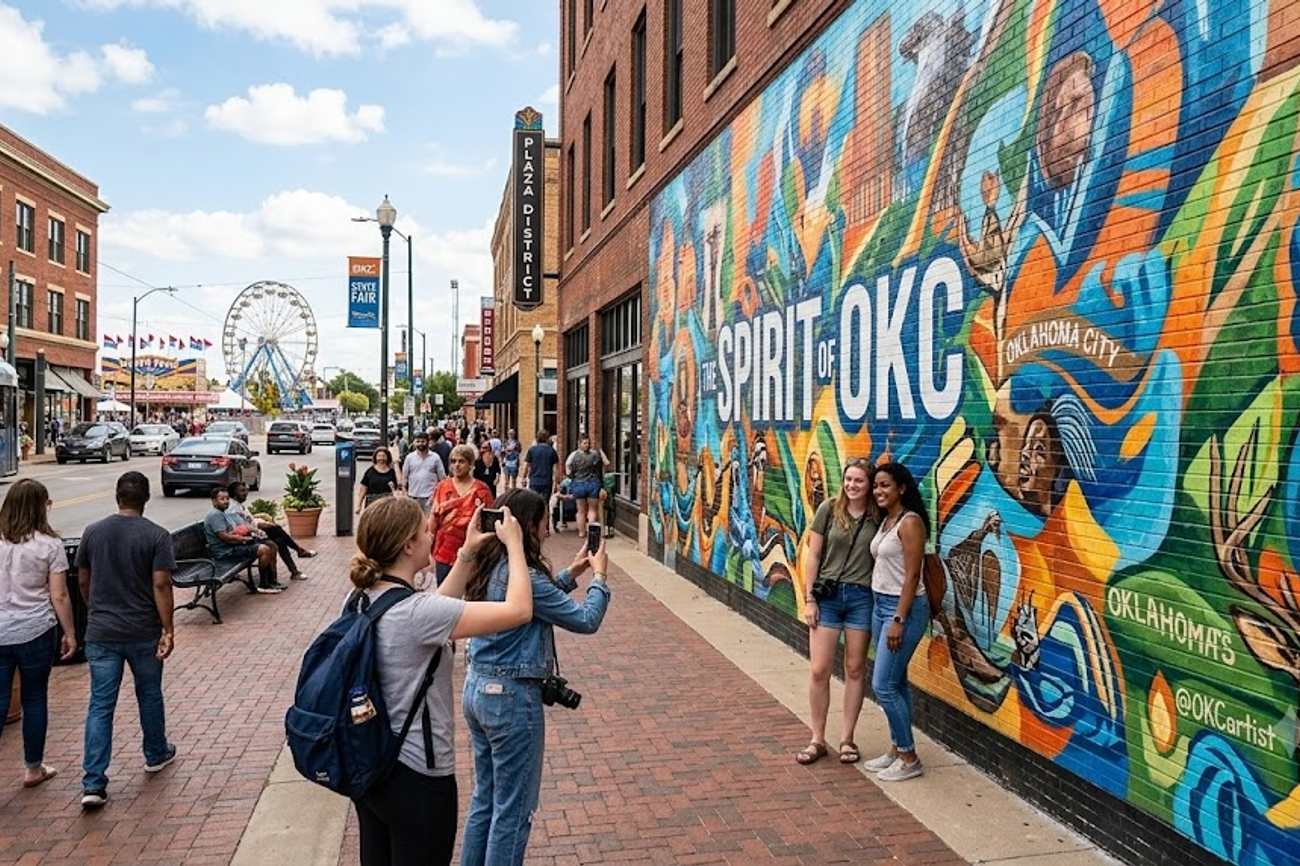
Image generated by AI
One single artistic initiative, the State Fair Mural Challenge, now serves as the primary catalyst for a broader shift in Oklahoma City’s tourism strategy, moving the destination away from purely traditional attractions toward a high-engagement creative economy. This pivot reflects a calculated effort by regional planners to leverage public art to increase "dwell time"—the duration a visitor stays in a specific district—by transforming the Oklahoma State Fair from a seasonal carnival into a curated cultural gallery.
The Strategic Pivot to Creative Tourism
The evolution of Oklahoma City’s travel sector is no longer about the singular draw of a fairground; it is about the integration of storytelling into the physical environment. By embedding the State Fair Mural Challenge into the annual calendar, the city is adopting a "creative tourism" model. This strategy recognizes that modern travelers, particularly Millennials and Gen Z, prioritize authentic community interaction over passive sightseeing.
The involvement of figures such as Dusty Gilpin in the mural initiative signals a transition toward artist-led tourism. When a city elevates local creators to the status of primary attractions, it changes the visitor's psychological relationship with the destination. The mural is not merely a painting on a wall; it is a navigational marker that leads tourists from the fairgrounds into the wider urban fabric of the city. This movement is supported by the Oklahoma Tourism and Recreation Department, which has explicitly integrated heritage and community-driven events into its long-term destination development framework.
Mapping the Cultural Ecosystem
The Oklahoma State Fair acts as the "top of the funnel" for the city's tourism economy. While the fair provides the initial reason for travel, the secondary layer of attractions ensures that the economic benefit extends to the broader hospitality sector. The synergy between large-scale events and permanent cultural institutions creates a diversified portfolio of attractions that mitigates the risk of seasonal downturns.
The following table outlines the layers of the Oklahoma City visitor experience, illustrating how the city converts a fair-goer into a long-term tourist:
| Attraction Layer | Primary Example | Visitor Motivation | Economic Impact |
|---|---|---|---|
| Seasonal Anchor | Oklahoma State Fair | Tradition, Food, Entertainment | High-volume, short-term hotel spikes |
| Creative Layer | State Fair Mural Challenge | Art, Photography, Authenticity | Increased foot traffic in local districts |
| Institutional Layer | National Cowboy & Western Heritage Museum | Education, History, Heritage | Sustained museum revenue, mid-week visits |
| Civic Layer | Oklahoma City National Memorial | Reflection, History, Respect | High-intent, emotional travel |
| Lifestyle Layer | Local Culinary Districts | Gastronomy, Nightlife | Sustained restaurant and retail spend |
Expert Analysis: The "Anchor and Orbit" Economic Model
For the professional traveler or the nomadic entrepreneur, the shift in Oklahoma City is a textbook example of the "Anchor and Orbit" model of urban development. In this scenario, the Oklahoma State Fair serves as the Anchor—a high-visibility event that guarantees a massive influx of people. The "Orbit" consists of the murals, museums, and botanical gardens that capture that crowd and distribute them across the city.
The direct consequence for travelers booking trips during the fair is a heightened pressure on the local infrastructure. When a city successfully links its fair to its art scene, it encourages visitors to extend their stay from a 48-hour weekend trip to a 5-to-7-day exploration. This shift creates a pricing ripple effect: hotel occupancy rates climb, and the demand for "experience-based" transportation (such as walking tours or ride-shares to specific mural sites) increases.
From a regulatory and planning perspective, this movement mirrors global trends seen in cities like Berlin or Mexico City, where street art has been codified into official tourism maps. By formalizing the Mural Challenge, Oklahoma City is effectively "branding" its streets. For the traveler, this means the city is becoming more navigable and "Instagrammable," which serves as free, organic marketing for the destination. The pricing pressure this creates means that early booking for accommodation is no longer a suggestion but a logistical necessity for those attending the fair.
Key Takeaways
- Strategic Diversification: Oklahoma City is transitioning from a traditional "fair town" to a creative hub by using the State Fair Mural Challenge to attract culture-focused travelers.
- Extended Stay Incentives: The integration of museums like the National Cowboy & Western Heritage Museum and the Oklahoma City National Memorial encourages visitors to move beyond the fairgrounds.
- Economic Distribution: Public art projects are designed to drive foot traffic toward local shops and restaurants, spreading the economic benefit of the fair across various neighborhoods.
- Logistical Planning: The increased demand during festival periods necessitates advanced booking for lodging and transport to avoid peak-season pricing surges.
FAQ: Oklahoma City Travel 2025
When is the best time to visit Oklahoma City for art and festivals? The peak period coincides with the Oklahoma State Fair, typically in late September and early October. However, the murals and permanent museums are accessible year-round, providing a more relaxed experience outside of the fair's high-traffic window.
Are the State Fair murals located inside the fairgrounds? While the Mural Challenge is tied to the fair's programming, the city's broader creative strategy encourages visitors to seek out artistic installations and murals throughout various Oklahoma City neighborhoods, extending the experience beyond the fair's perimeter.
What are the must-visit cultural sites besides the State Fair? Travelers should prioritize the Oklahoma City National Memorial for historical significance, the Botanical Gardens for nature, and the National Cowboy & Western Heritage Museum for a deep dive into regional identity.
Do I need a special pass to view the public art in Oklahoma City? No, the majority of the city's public murals and artistic installations are free to the public. They are designed to be discovered through walking tours and independent exploration of the city's creative districts.
The transformation of a state fair into a curated art gallery is the first step in Oklahoma City's bid to redefine the American Heartland as a center for creative tourism.
Tags: Oklahoma State Fair, Oklahoma City Tourism, State Fair Mural Challenge, Dusty Gilpin, National Cowboy & Western Heritage Museum, Oklahoma Tourism and Recreation Department
Related Travel Guides
- Jamaica Travel Revival Accelerates as JAPEX Connects Global Buyers With Island Experiences
- Why the 2026 Spirit of Africa Festival in Nairobi Is Revolutionising Intra-Continental Tourism Now
- United Arab Emirates Joins Other Countries in Leading an Unstoppable $116 Billion Middle East Tourism Surge in Astonishing Global Growth Juggernaut
Disclaimer
This article is for informational and educational purposes only. It does not constitute legal, financial, or professional advice. While we strive to provide accurate and up-to-date information, travel policies, regulations, and conditions change rapidly. Always verify information with official sources before making travel decisions. Nomad Lawyer makes no representations about the accuracy, reliability, completeness, or suitability of the information provided. Readers should consult qualified professionals for advice specific to their circumstances. The views expressed in this article are those of the author and do not necessarily reflect the views of Nomad Lawyer.
Kunal K Choudhary
Co-Founder & Contributor
A passionate traveller and tech enthusiast. Kunal contributes to the vision and growth of Nomad Lawyer, bringing fresh perspectives and driving the community forward.
Learn more about our team →