
Norway and UK Modernize European Fjord Cruising: Shore-Power Mandates, NCLH Refinancing, and Itinerary Guide 2026

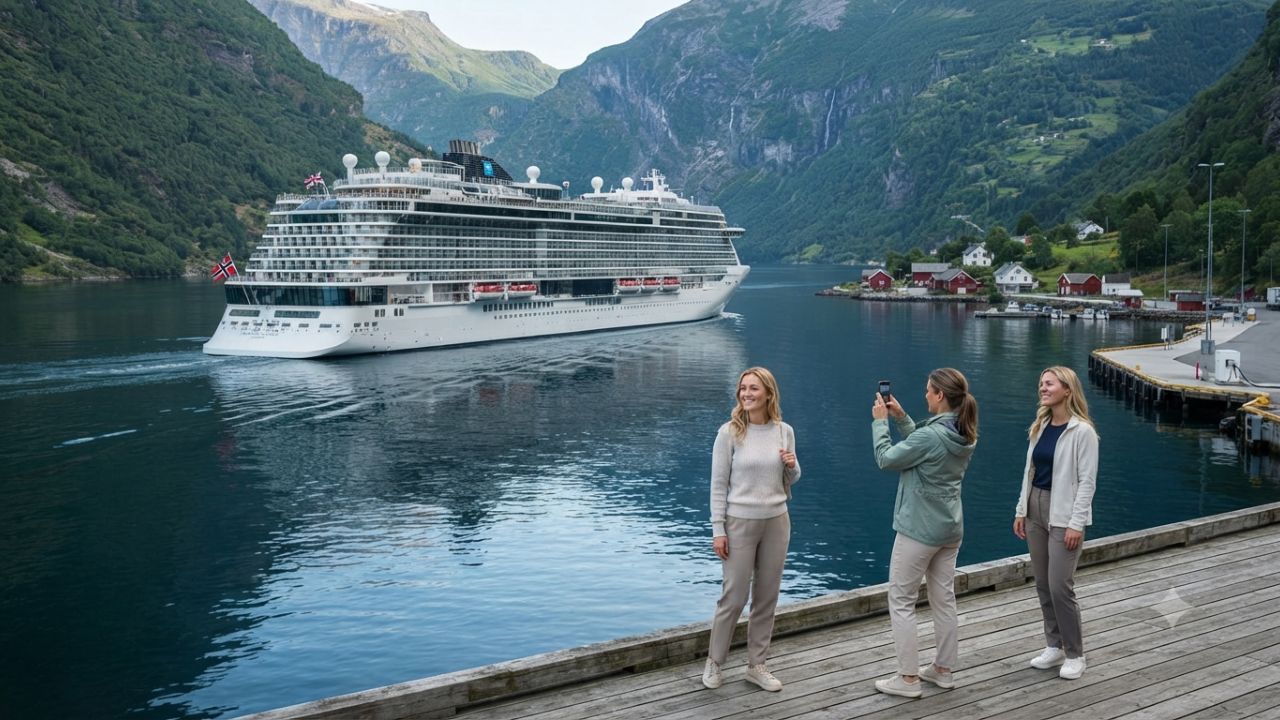
Image credit: Norwegian Cruise Line
Norway and the United Kingdom have strengthened bilateral maritime cooperation to accelerate fleet decarbonization, dockside shore-power integration, and route modernization across European waters. As major cruise lines adapt to tightening environmental regulations across World Heritage fjords, British home ports—including Southampton, Dover, Tilbury, and Newcastle—are establishing high-capacity shore-power connections matching zero-emission mandates across Norwegian harbors.
Concurrently, major cruise conglomerates are restructuring balance sheets to fund clean-technology vessel refurbishments. Norwegian Cruise Line Holdings (NCLH) recently completed a $750 million private offering of senior notes maturing in 2031, targeting the redemption of high-coupon debt maturing in 2028 and refinancing revolving credit facilities to support long-term fleet modernization.
Western European and Nordic Destination Port Breakdown
Progressive environmental regulations implemented by port authorities in Bergen, Geiranger, and Stavanger require ships to connect to municipal hydroelectric grids or deploy low-emission hybrid systems while docked:
| Destination Port | Typical Itinerary Duration | Primary Shore Power & Dockside Infrastructure | Prevailing Seasonal Passenger Demographics |
|---|---|---|---|
| Bergen, Norway | 7 to 10 Nights | High-Capacity Hydroelectric Shore Connection | Multigenerational British, German & Scandinavian |
| Southampton, UK | 4 to 14 Nights | Commercial Marine High-Voltage Grid | UK Domestic, Transatlantic & Northern European |
| Geiranger, Norway | 7 to 12 Nights | Transitioning to Zero-Emission Tender Barges | Eco-Conscious International & Cultural Guests |
| Reykjavik, Iceland | 10 to 14 Nights | Geothermal-Supported Low-Emission Dockage | Adventure Travelers, Wellness & Nature Seekers |
| Copenhagen, Denmark | 5 to 9 Nights | Automated Smart Shore-to-Ship Electric Hub | European City-Break & Nordic Voyagers |
Source: European Maritime Safety Agency & Regional Port Authority Notices.
Financial Refinancing and Next-Generation Fleet Innovation
Balance-sheet optimizations across major shipping groups directly influence vessel deployment and onboard amenities:
- Cold-Ironing Shore Power: Refinanced capital enables cruise lines to retrofit existing liners with cold-ironing transformers, allowing auxiliary diesel engines to shut down completely while docked, eliminating local port emissions.
- Alternative Propulsion Systems: Next-generation wide-beam liners are being equipped with liquefied alternative fuel systems, battery-hybrid banks, and waste-heat reclamation technologies.
- Shorter Regional Escapes: Booking data reveals growing passenger preference for condensed 4-to-7-night North Sea and Baltic itineraries departing from British home ports.
European Fjord Cruising & Environmental Policy FAQ: October 2026
What environmental rules govern cruise ships sailing into Norwegian World Heritage fjords? Norway enforces strict maritime emission policies, requiring vessels navigating World Heritage fjords to lower greenhouse gas output, eliminate unapproved wastewater discharges, and connect to shore power or deploy zero-emission battery hybrid propulsion.
Which British home ports offer direct Norwegian fjord cruise departures? Southampton, Dover, Tilbury, and Newcastle serve as primary UK departure hubs offering direct round-trip voyages across the North Sea to Norwegian coastal ports.
What was the financial structure of NCLH’s recent debt refinancing? Norwegian Cruise Line Holdings issued $750 million in senior notes maturing in 2031 to redeem high-coupon liabilities maturing in 2028 and reduce revolving credit borrowings.
What is cold-ironing shore power in cruise ship operations? Cold-ironing allows a cruise ship to turn off its internal auxiliary diesel generators while docked, running all hotel electrical operations on renewable municipal shore power (such as Norwegian hydroelectricity).
Why This Matters for Cruise Passengers and Maritime Tourism in 2026
For cruise passengers departing from the UK and Europe, regulatory alignment between Norway and destination ports ensures clean, low-impact fjord voyages without route cancellations. By financing shore-power connectivity and hybrid propulsion, maritime operators maintain access to protected Nordic environments while delivering upgraded onboard hospitality across Western Europe.
Related Travel Guides
Disclaimer
This article is for informational and educational purposes only. It does not constitute legal, financial, or professional advice. While we strive to provide accurate and up-to-date information, travel policies, regulations, and conditions change rapidly. Always verify information with official sources before making travel decisions. Nomad Lawyer makes no representations about the accuracy, reliability, completeness, or suitability of the information provided. Readers should consult qualified professionals for advice specific to their circumstances. The views expressed in this article are those of the author and do not necessarily reflect the views of Nomad Lawyer.
Kunal K Choudhary
Co-Founder & Contributor
A passionate traveller and tech enthusiast. Kunal contributes to the vision and growth of Nomad Lawyer, bringing fresh perspectives and driving the community forward.
Learn more about our team →