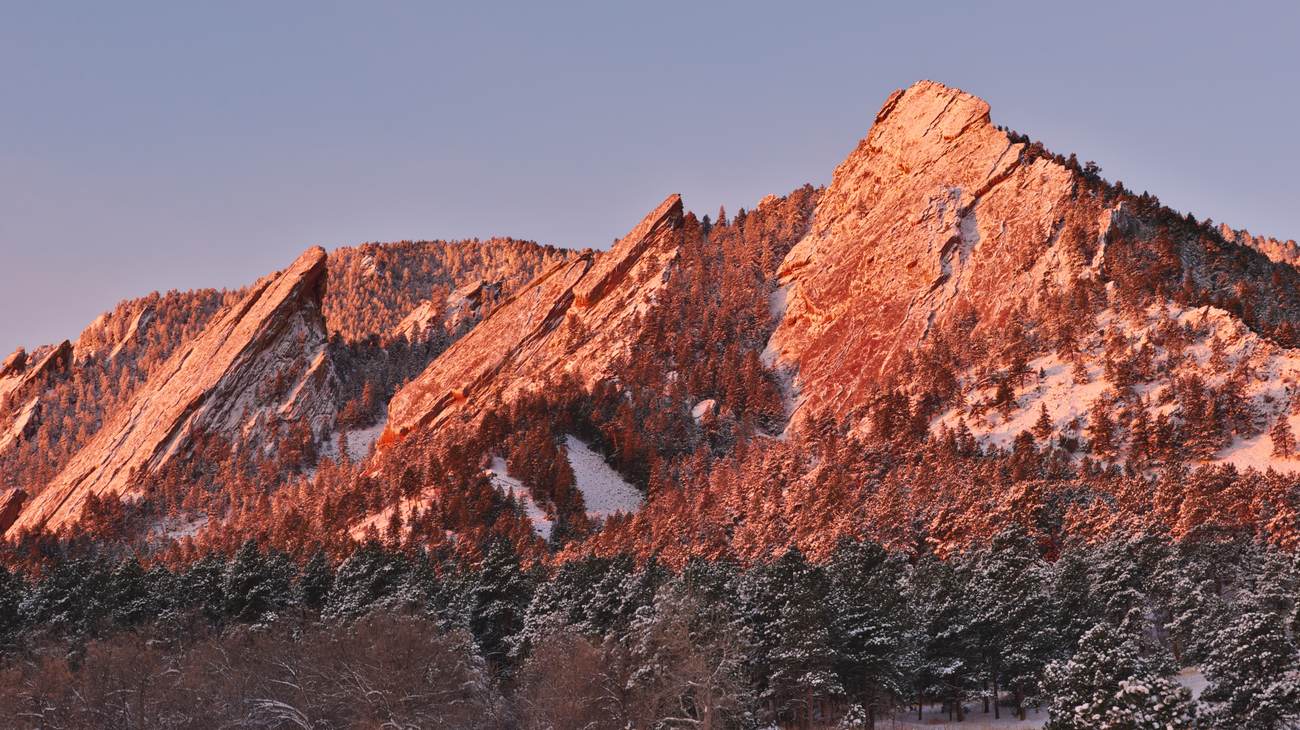
Norway Travel Unveils Hidden Arctic Beach With Untouched Beauty Among World’s Best Coastal Wonders

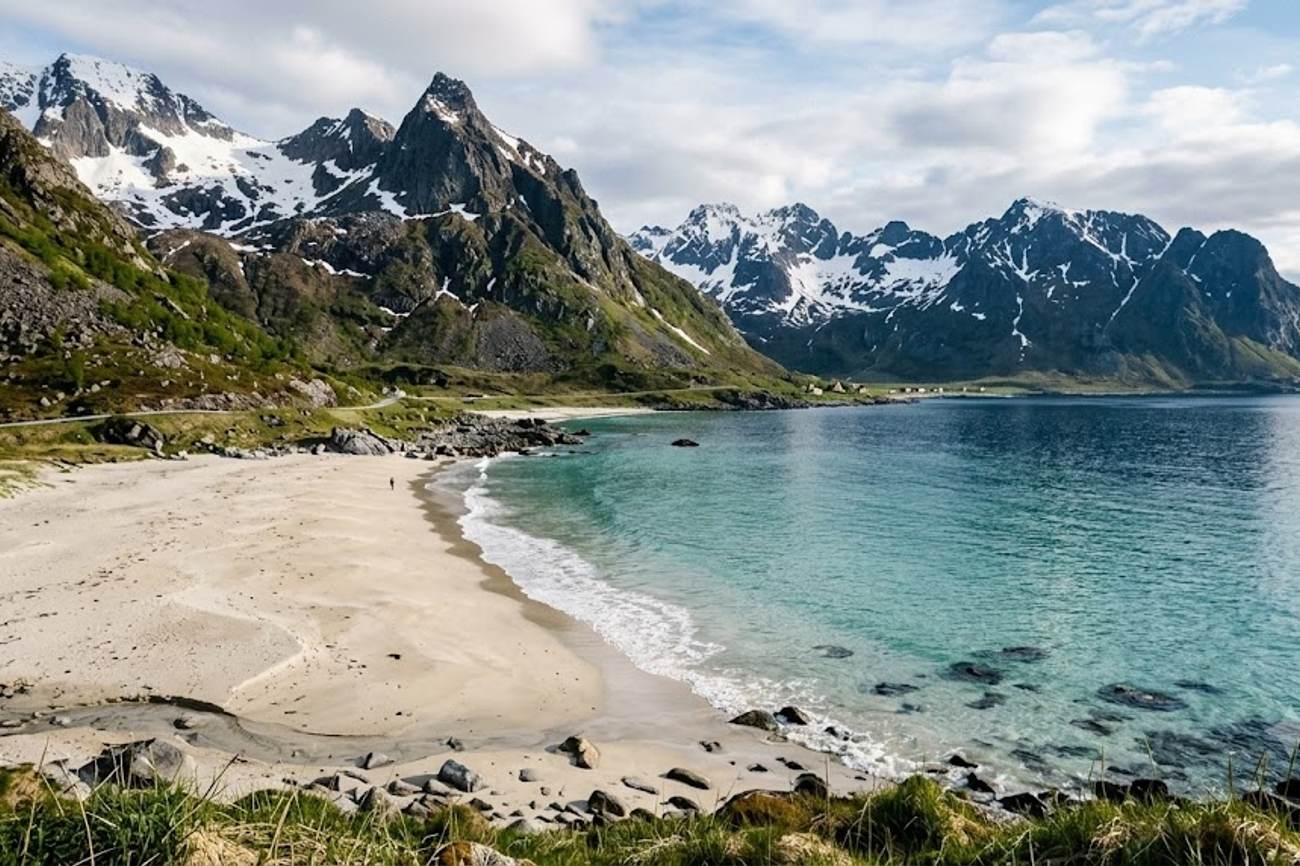
Image generated by AI
[Vestvågøy, October 2023] — Haukland Beach in the Lofoten archipelago has secured a top-25 global ranking among the world's premier coastlines, signaling a shift in high-end nature tourism toward the Arctic Circle. The destination, characterized by white sands and turquoise waters set against a backdrop of jagged northern peaks, is now being positioned by Norway Travel as a primary alternative to overcrowded tropical beach destinations.
The recognition follows a comprehensive ranking by Enjoy Travel, which evaluated 50 of the most exceptional coastlines globally. Haukland Beach placed 25th, a result that highlights the growing international demand for "hidden gem" destinations that combine luxury natural aesthetics with remote, untouched environments. Located on Vestvågøy Island, the beach is now transitioning from a local secret to a global attraction for photographers, hikers, and aurora hunters.
The Catalyst for Global Recognition
The sudden surge in international visibility for Haukland Beach is driven by a convergence of luxury travel trends and official endorsements. While Norway has long been marketed for its deep fjords and mountainous interior, the specific branding of Haukland Beach as a "Caribbean-style" Arctic destination has captured the attention of the global travel market.
The primary driver is the beach's rare geological composition. The presence of soft white sand and crystal-clear blue waters—features typically reserved for equatorial regions—creates a stark visual contrast with the surrounding Arctic mountains. This "unreal" aesthetic has made the location a viral focal point for nature photographers and digital nomads seeking visually striking, low-density environments.
Furthermore, the endorsement by Norway Travel and the specific ranking by Enjoy Travel have provided the institutional validation necessary to move the location from a niche hiking stop to a destination in its own right. This shift reflects a broader movement in the travel industry where "nature-based travel" is prioritizing tranquility and environmental purity over traditional resort-style amenities.
Geographic and Market Impact
The impact of this recognition is concentrated on the Lofoten archipelago, specifically the infrastructure and visitor flow of Vestvågøy Island. The following sectors are seeing the most immediate effects:
- Regional Logistics: Increased demand for transport to the Lofoten archipelago, necessitating better coordination between mainland hubs and island transit.
- Seasonal Tourism Shifts: A transition from a summer-only peak to a year-round visitation model.
- Niche Markets: A spike in arrivals from the photography and adventure-tourism sectors.
- Local Economy: Growing pressure on the small fishing villages surrounding Haukland Beach to provide sustainable hospitality services.
The region is governed by strict environmental standards to ensure that the "untouched" nature of the shoreline remains intact despite the influx of international visitors. Travelers typically access the area via Avinor, which manages the regional airports serving northern Norway, or through coordinated ferry services across the archipelago.
Practical Traveler Advisory and Strategic Insights
For the modern traveler, the elevation of Haukland Beach to a top-25 global beach changes the logistics of visiting Northern Norway. This is no longer a destination where one can simply arrive without a plan; it is now a strategic point of interest that requires advance coordination.
Booking and Availability As global recognition grows, accommodation in the Lofoten region—particularly traditional rorbuer (fisherman's cabins)—is expected to see higher occupancy rates. Travelers should book lodging well in advance of the summer peak and the winter aurora season.
Seasonal Expectations Unlike tropical beaches, Haukland Beach offers two distinct "products":
- The Summer Experience: Characterized by the Midnight Sun, providing near-constant daylight for hiking and coastal exploration.
- The Winter Experience: A transition to a snow-covered landscape where the primary draw is the Northern Lights (Aurora Borealis) reflecting off the white sands.
Environmental Responsibility Visitors must adhere to the "Right to Roam" (Allemannsretten) laws in Norway, which allow public access to nature but mandate a "leave no trace" policy. The lack of heavy development means there are few commercial facilities on the beach itself; travelers must be self-sufficient regarding food, water, and waste.
The Future of Arctic Coastal Tourism
The trajectory for Haukland Beach suggests a move toward sustainable, high-value tourism. The Norwegian government and local authorities are tasked with balancing the economic benefits of increased visibility with the preservation of the fragile Arctic ecosystem.
Future developments are likely to focus on "soft infrastructure"—improved trail marking and sustainable transport links—rather than the construction of large-scale hotels or resorts. This approach ensures that the beach maintains the peaceful character that earned it the 25th spot on the Enjoy Travel list.
Travelers can expect an increase in curated "Arctic Beach" packages that combine the coastline with visits to nearby fishing villages and mountain treks. The goal is to distribute visitor traffic across the Lofoten archipelago to prevent the "overtourism" seen in other European coastal hotspots. For those planning a visit, monitoring updates from Visit Norway is recommended to stay informed on local regulations and seasonal access.
FAQ: Haukland Beach 2024
Is Haukland Beach swimmable in the summer? While the water is turquoise and clear, it remains Arctic. Temperatures are significantly lower than tropical beaches, though brave swimmers and those using wetsuits visit the shoreline during the warmer months.
When is the best time to see the Northern Lights at the beach? The best window is typically from September to March. The combination of the white sand and the dark Arctic winter sky provides a high-contrast backdrop for aurora photography.
How do I get to Haukland Beach? Most visitors fly into northern Norway via Avinor airports and then use rental cars or local buses to reach Vestvågøy Island in the Lofoten archipelago.
Are there hotels directly on Haukland Beach? No. To preserve the untouched nature of the coastline, there is limited development on the beach itself. Visitors stay in nearby villages or designated camping areas.
The Arctic is redefining the definition of a world-class beach.
#HauklandBeach #LofotenArchipelago #Vestvågøy #NorwayTravel2024 #ArcticTourism #EnjoyTravelRanking
Related Travel Guides
This article is for informational purposes. Flight routes, passenger regulations, visa rules, and transit advisories are subject to change by airlines and aviation authorities. Readers are advised to verify schedules and travel documentation with relevant carriers and border agencies before departure.
Related Stories
European Mass Protests Disrupt Travel Across France, Italy, Belgium, and Turkey in 2026
The Best Things to Do in Vero Beach with Family: A Local Parent & Traveler's Guide