Norway Follows Switzerland and Others To Showcase The World’s Most Incredible Snow Covered Tourism Experiences And Unforgettable Winter Escapes

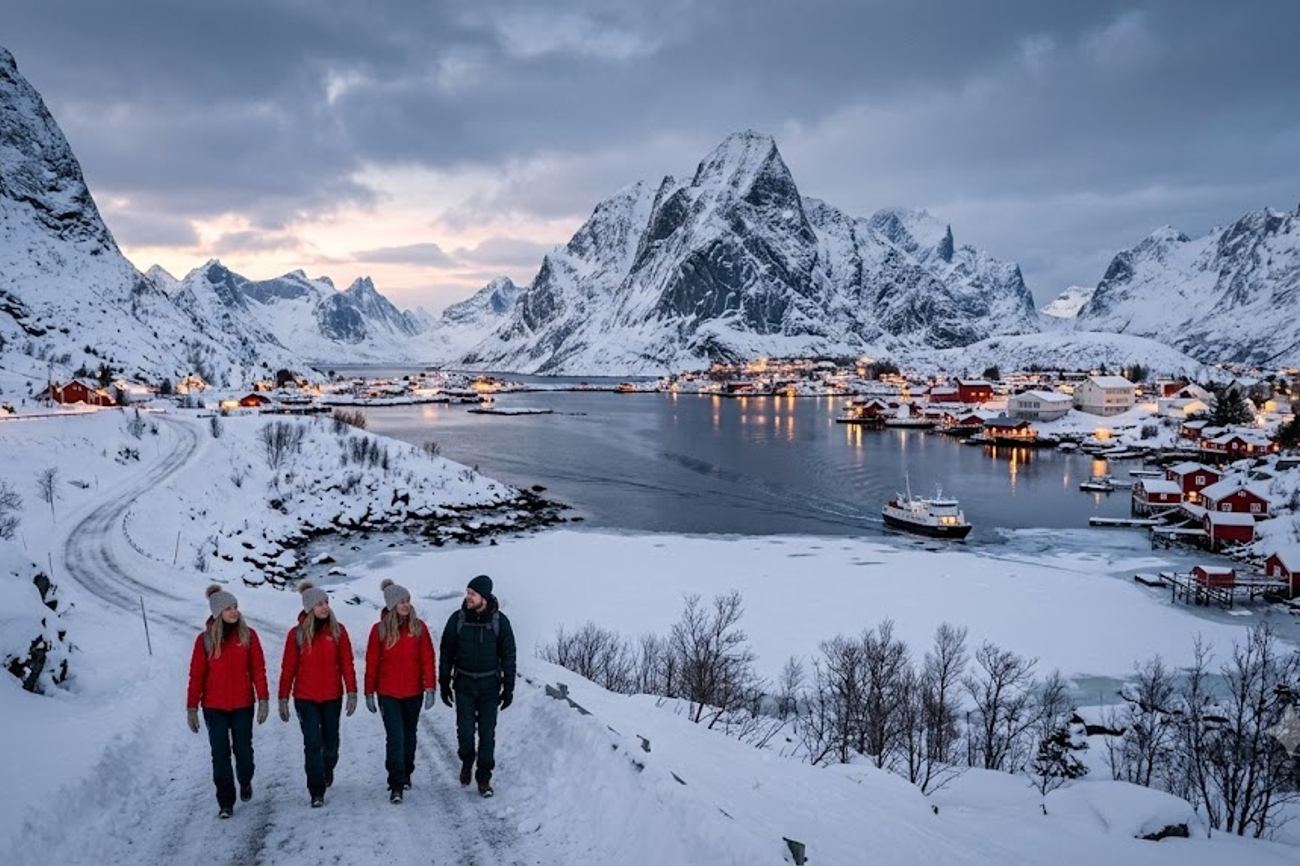
Image generated by AI
Thousands of annual visitors migrate to Japan specifically to access its world-renowned powder snow, a phenomenon that anchors a multi-billion dollar winter tourism economy across the Asia-Pacific region. This movement is not merely a pursuit of aesthetics but a strategic choice based on snowfall consistency, particularly during the peak window of January and February. When analyzed alongside the Alpine hubs of Switzerland and Austria or the Arctic corridors of Finland and Norway, a clear pattern emerges: the global winter travel market is bifurcated between "luxury-infrastructure" destinations and "wilderness-experience" hubs.
The Geopolitics of Powder and Peaks
The distribution of winter tourism is dictated by geography and the specific quality of precipitation. In Japan, the intersection of cold Siberian air and moist Pacific currents creates the "Japow" effect, concentrating demand in Hokkaido. This has led to the rise of Niseko as a global brand, transforming a remote northern island into a high-yield real estate and tourism corridor. Unlike the European model, which relies heavily on historical village charm, the Japanese model integrates modern resort efficiency with cultural anchors like the traditional architecture of Shirakawa-go and the therapeutic infrastructure of hot spring baths.
In Europe, the concentration of wealth and infrastructure in Switzerland and Austria has created a stabilized, high-barrier-to-entry market. Switzerland leverages its rail network to monetize the "slow travel" trend, turning the transit between Zermatt and the Jungfrau region into a revenue stream independent of skiing. This diversification is a hedge against volatile snowfall patterns, ensuring that the Swiss Federal Railways (SBB) remains profitable even when slopes are under-snowed.
Global Winter Destination Metrics
The following breakdown categorizes the primary drivers and focal points of the top winter destinations based on regional appeal and primary activities.
| Destination | Primary Hubs | Key Environmental Draw | Primary Non-Ski Activity |
|---|---|---|---|
| Japan | Hokkaido, Niseko, Shirakawa-go | Deep Powder Snow | Hot Spring (Onsen) Therapy |
| Switzerland | Zermatt, Jungfrau, St. Moritz | High Alpine Peaks | Scenic Railway Transit |
| Finland | Rovaniemi, Levi, Saariselkä | Arctic Forests | Northern Lights Viewing |
| Norway | Tromsø, Lofoten Islands | Fjord-Mountain Interface | Dog Sledding / Photography |
| Canada | Banff, Lake Louise, Whistler | Rocky Mountain Massif | Frozen Lake Exploration |
| Austria | Innsbruck, Zell am See | Traditional Alpine Valleys | Cultural Village Exploration |
Expert Analysis: The Economics of the "Winter Escape"
For travelers booking these routes, the direct consequence of this regional specialization is a sharp divergence in pricing and logistical requirements. The "Arctic" cluster—Finland and Norway—is increasingly pivoting away from traditional skiing toward "experience-based" tourism. By marketing the Northern Lights in Tromsø and Rovaniemi, these nations are decoupling their tourism revenue from the unpredictability of snow depth, focusing instead on atmospheric phenomena. This shift reduces the financial risk for the traveler who may find a "brown winter" (low snow) but can still witness the Aurora Borealis.
Conversely, the "Alpine" cluster in Switzerland and Austria is doubling down on luxury and exclusivity. The pricing pressure created by the concentration of high-end resorts in St. Moritz and Zermatt means that the average cost per day for a traveler is significantly higher than in the Canadian Rockies. In Canada, the scale of the landscape allows for a more fragmented pricing model; while Whistler commands premium rates, the vastness of Alberta’s frozen wilderness provides lower-cost entry points for nature-centric travelers.
The most critical trend for the modern nomad is the integration of "wellness" into the winter itinerary. Japan’s success with onsens and Finland’s focus on Arctic silence indicate that the market is moving toward "Slow Winter." Travelers are no longer just paying for lift tickets; they are paying for the psychological relief of isolation. This shift in demand is forcing traditional ski resorts to invest in non-sporting infrastructure—spas, gourmet dining, and cultural tours—to maintain occupancy rates during the mid-week slump.
Norway's winter tourism scene is expected to flourish, with the country offering a range of snow-covered experiences, from dog sledding to Northern Lights sightings. For travelers planning to visit Norway, it's essential to check the official Visit Norway website for the latest information on winter activities, events, and destinations. This will help ensure a smooth and enjoyable trip to this winter wonderland.
Key Takeaways
- Seasonal Timing: January and February are the non-negotiable windows for peak snowfall in Japan and the Northern Hemisphere's Arctic regions.
- Diversification of Activity: The shift toward "non-skiing" winter travel (rail journeys in Switzerland, husky rides in Finland) provides a safety net for travelers facing erratic weather.
- Geographic Specialization: Hokkaido is the global benchmark for powder quality, while the Lofoten Islands in Norway offer the most unique coastal-mountain visual contrast.
- Infrastructure Variance: Switzerland offers the most integrated transit system for snow-viewing, whereas Canada requires more independent logistical planning due to its vast territorial scale.
- Wellness Integration: The rise of hot springs in Japan and Arctic wellness in Finland signals a transition from "adrenaline tourism" to "recovery tourism."
FAQ: Winter Travel 2025
Which destination is best for seeing the Northern Lights? Norway and Finland are the primary hubs. Tromsø (Norway) and Rovaniemi (Finland) provide the best combination of professional guiding infrastructure and high probability of sightings due to their Arctic Circle positioning.
Is it possible to enjoy a winter holiday in Japan without skiing? Yes. Travelers frequently visit Shirakawa-go for its historic architecture or utilize Hokkaido's hot springs. The focus in these areas is on cultural immersion and landscape photography rather than sport.
How do I travel between Swiss winter resorts without a car? The Swiss Federal Railways provides an extensive network of scenic trains that connect major hubs like Zermatt and St. Moritz, making car-free winter travel highly efficient.
What is the difference between "Powder Snow" and regular snow? Powder snow, most famous in Hokkaido, has a very low water content, making it light, fluffy, and ideal for skiing. Regular snow is denser and more prone to icing, which is common in lower-altitude European villages.
The winter travel market is no longer about the descent; it is about the destination.
Related Travel Guides
- Nigeria Aligns With Egypt And More Countries Across Africa As Oman E Visa Sparks The Next GCC And Africa Tourism Boom
- Vietnam Captures Global Attention As World Travel Awards 2026 Asia Nominations Spotlight Its Tourism Strength
- Tobago Rises With Guadeloupe and More as Nature Lovers Discover Volcanic Lakes, Tropical Jungles and Untamed Island Wonders
This article is for informational purposes. Flight routes, passenger regulations, visa rules, and transit advisories are subject to change by airlines and aviation authorities. Readers are advised to verify schedules and travel documentation with relevant carriers and border agencies before departure.
Related Stories

European Mass Protests Disrupt Travel Across France, Italy, Belgium, and Turkey in 2026

Israel Tourism Recovery 2026: North American Flight Restorations and New ETA-IL Entry Rules