
Oman E Visa Sparks The Next GCC And Africa Tourism Boom

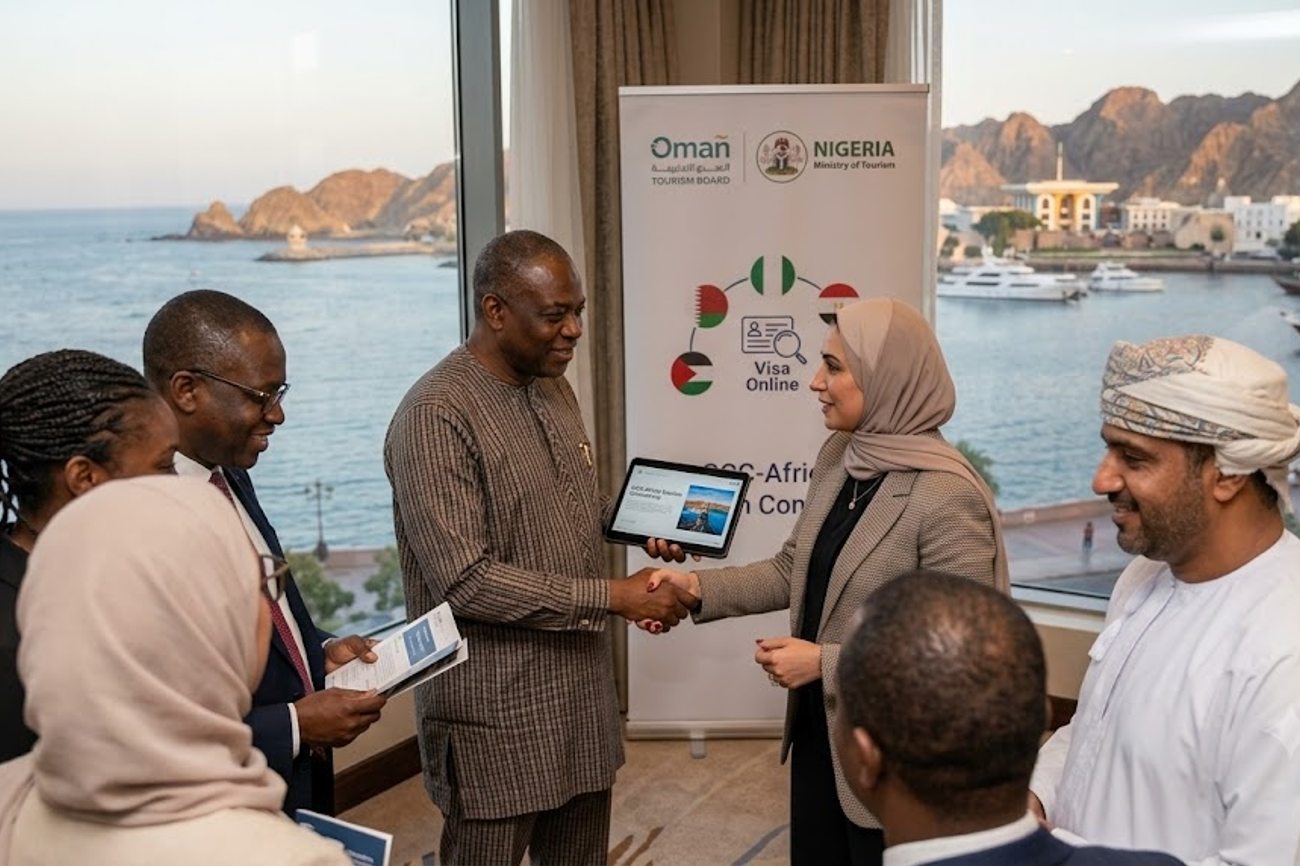
Image generated by AI
[Muscat, October 2023] — The Sultanate of Oman is aggressively expanding its electronic visa (eVisa) infrastructure to position itself as the primary tourism and transit gateway between the African continent and the Gulf Cooperation Council (GCC) region. By digitizing entry requirements and streamlining application processes, Oman is attempting to capture a growing market of African outbound travelers seeking access to the Arabian Peninsula.
The strategic shift focuses on reducing the bureaucratic friction traditionally associated with Gulf travel. Through the Royal Oman Police official eVisa platform, eligible nationals from across Africa can now determine their eligibility based on nationality and GCC residency status, applying for entry permits online prior to departure. This digital overhaul is designed to divert traffic from traditional regional hubs and establish Muscat as a critical nexus for tourism, business, and investment flows between Asia and Africa.
The Digital Visa Catalyst
The immediate trigger for this growth is the deployment of a sophisticated electronic visa system that replaces lengthy embassy-based procedures with a streamlined digital interface. This system allows the Omani government to dynamically adjust eligibility requirements, making the country more accessible to emerging markets.
The eVisa platform provides multiple categories, including standard tourist visas and sponsored options. By moving these processes online, Oman is removing the primary barrier to entry for African travelers: the uncertainty and time-cost of traditional visa procurement. This digital transition is a cornerstone of Oman's broader ambition to diversify its economy away from oil and toward a high-value, sustainable tourism sector that leverages its unique geography.
Markets and Corridors Impacted
The expansion specifically targets several high-growth African economies, creating distinct travel corridors based on the economic and cultural profiles of the source nations.
Primary Target Markets:
- Nigeria: Identified as a critical growth engine due to its expanding middle class and young population. The focus here is on business tourism, professional exchanges, and luxury leisure travel.
- Egypt: Leveraging its own status as a global tourism powerhouse, Egypt is being integrated into multi-destination itineraries that link North African heritage sites with Omani forts and coastal landscapes.
- South Africa: Currently one of the most integrated African markets, South Africans benefit from simplified entry arrangements and, in specific cases, visa exemption frameworks for short-term stays.
Secondary Emerging Markets: The following nations are identified as key participants in the expanding GCC-Africa corridor:
| African Nation | Primary Tourism Driver | Strategic Connection |
|---|---|---|
| Kenya | Business & Outbound Leisure | Growing corporate travel flows |
| Morocco | Heritage & Culture | Cross-cultural exchange |
| Tunisia | Mediterranean-Gulf Link | Diversified holiday options |
| Ethiopia | Aviation Hubs | Regional connectivity |
| Ghana | Business & Leisure | Emerging outbound market |
| Mauritius | Premium Luxury | High-net-worth traveler flows |
| Seychelles | Coastal Tourism | Specialized beach/nature links |
| Tanzania | Nature & Adventure | Complementary wilderness tourism |
| Rwanda | International Mobility | Growing professional traveler base |
Practical Traveler Advisory and Strategic Insights
For the modern traveler, this shift translates to a significant reduction in "travel anxiety" regarding entry requirements. Instead of navigating complex consulate appointments, travelers can now use the official Oman eVisa portal to verify their status in real-time.
Practical Impacts:
- Reduced Lead Times: The transition from paper to digital means visa approvals are processed faster, allowing for more spontaneous travel planning.
- Simplified Transit: Travelers from Africa can now use Muscat as a strategic stopover point to explore the GCC without the traditional hurdles of multiple visa applications.
- Diversified Itineraries: There is now a viable pathway to combine "Wildlife and Nature" (e.g., South Africa or Tanzania) with "Desert and Heritage" (Oman) in a single trip.
- Eligibility Transparency: The online system provides clear guidelines on whether a traveler needs a full visa or if they qualify for a visa-on-arrival/exemption based on their passport or residency in another GCC country.
Infrastructure and Future Growth
Oman is not relying solely on software to drive this growth; it is pairing digital access with physical infrastructure. The government is investing heavily in "Authentic Tourism"—experiences that differ from the skyscraper-centric models of neighboring Gulf states.
Key Investment Areas:
- Heritage Sites: Increased accessibility to the historic forts and traditional villages of Nizwa and Bahla, targeting culture-focused travelers from Africa.
- Nature and Adventure: Development of the interior mountains and desert landscapes to attract adventure tourists, particularly from the South African market.
- Aviation Connectivity: While the eVisa opens the door, Oman is working to increase direct flight capacity and regional links to ensure that the digital ease of entry is matched by physical ease of transport.
- Luxury Hospitality: The expansion of high-end resorts designed to attract the growing affluent classes of Nigeria and Kenya.
The long-term goal is to create a seamless "Tourism Bridge." By integrating with the World Tourism Organization (UNWTO) standards and promoting sustainable travel, Oman aims to become the default entry point for any African traveler looking to enter the Arabian Peninsula.
FAQ: Oman African Travel Access 2023
How do I know if I am eligible for an Oman eVisa? Travelers should visit the official Royal Oman Police eVisa portal. By selecting your nationality and indicating if you hold a GCC residency permit, the system will automatically display the specific visa category and requirements applicable to you.
Can I visit other GCC countries using Oman as a gateway? Yes. Oman is positioning itself as a regional hub. While an Omani visa grants entry to the Sultanate, the improved connectivity in Muscat makes it an ideal starting point for arranging subsequent travel to other Gulf nations.
Is a physical visa sticker still required for some African nationals? Depending on the nationality and the specific type of visa (e.g., long-term business or employment), some travelers may still need to visit an embassy. Always verify the "Visa Category" on the official portal before booking non-refundable flights.
What are the best "combined" itineraries for African travelers? Current trends show high interest in combining South African nature tours with Omani mountain and desert adventures, or linking Egyptian archaeological tours with the coastal and fort heritage of Muscat and Nizwa.
The digital bridge is open; the Arabian Peninsula is now closer to Africa than ever before.
Related Travel Guides
- Vietnam Captures Global Attention As World Travel Awards 2026 Asia Nominations Spotlight Its Tourism Strength
- Tobago Rises With Guadeloupe and More as Nature Lovers Discover Volcanic Lakes, Tropical Jungles and Untamed Island Wonders
- St. John Follows St. Thomas and St. Croix as Caribbean Winter Escapes Draw Global Travellers
This article is for informational purposes. Flight routes, passenger regulations, visa rules, and transit advisories are subject to change by airlines and aviation authorities. Readers are advised to verify schedules and travel documentation with relevant carriers and border agencies before departure.
Related Stories

European Mass Protests Disrupt Travel Across France, Italy, Belgium, and Turkey in 2026

US National Parks Face Decline in International Tourism Due to $100 Visitor Fee
