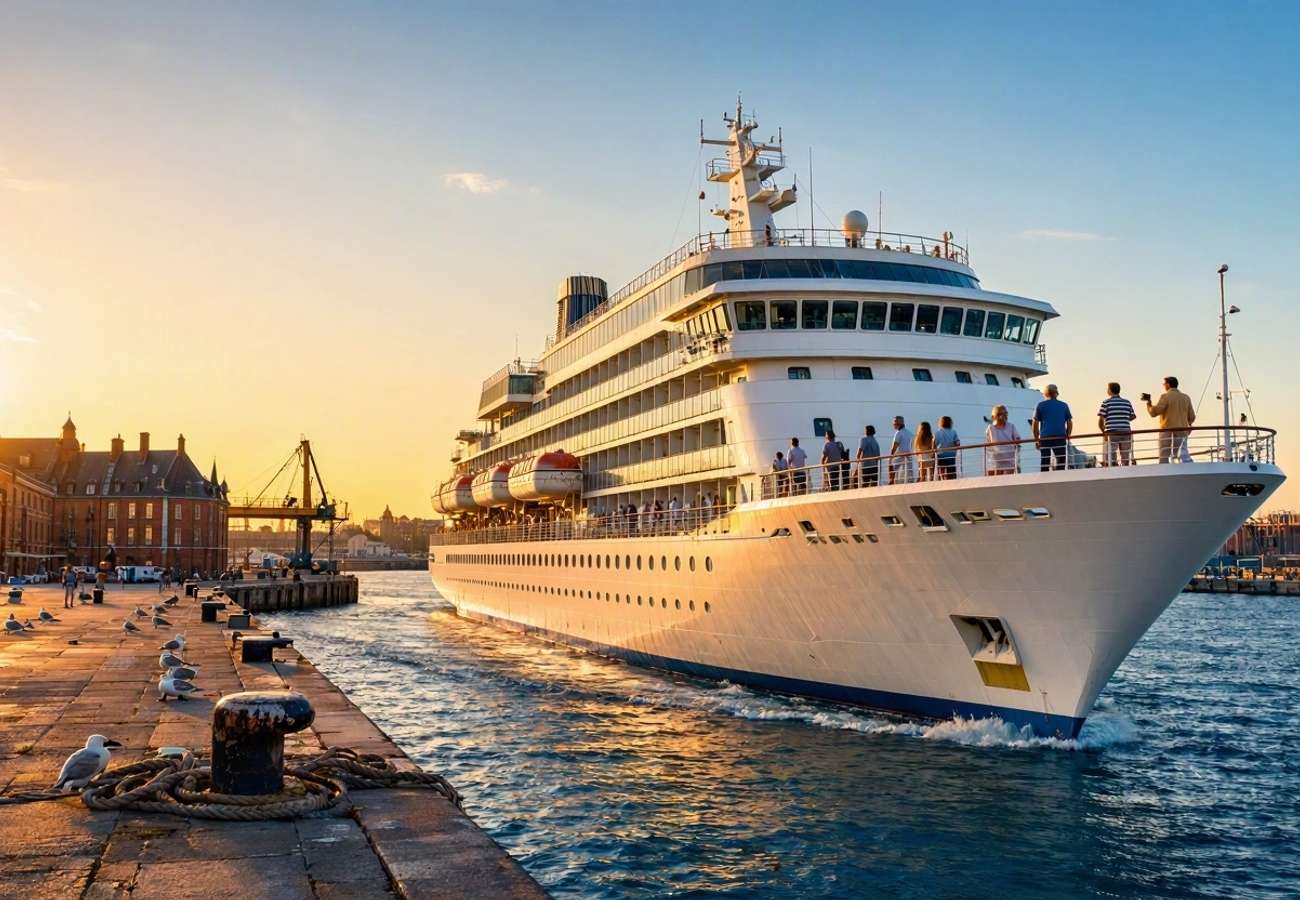
Norway and EU Green Port Initiative: Zero-Emission Fjord Mandates and Shore Power Shifts 2026

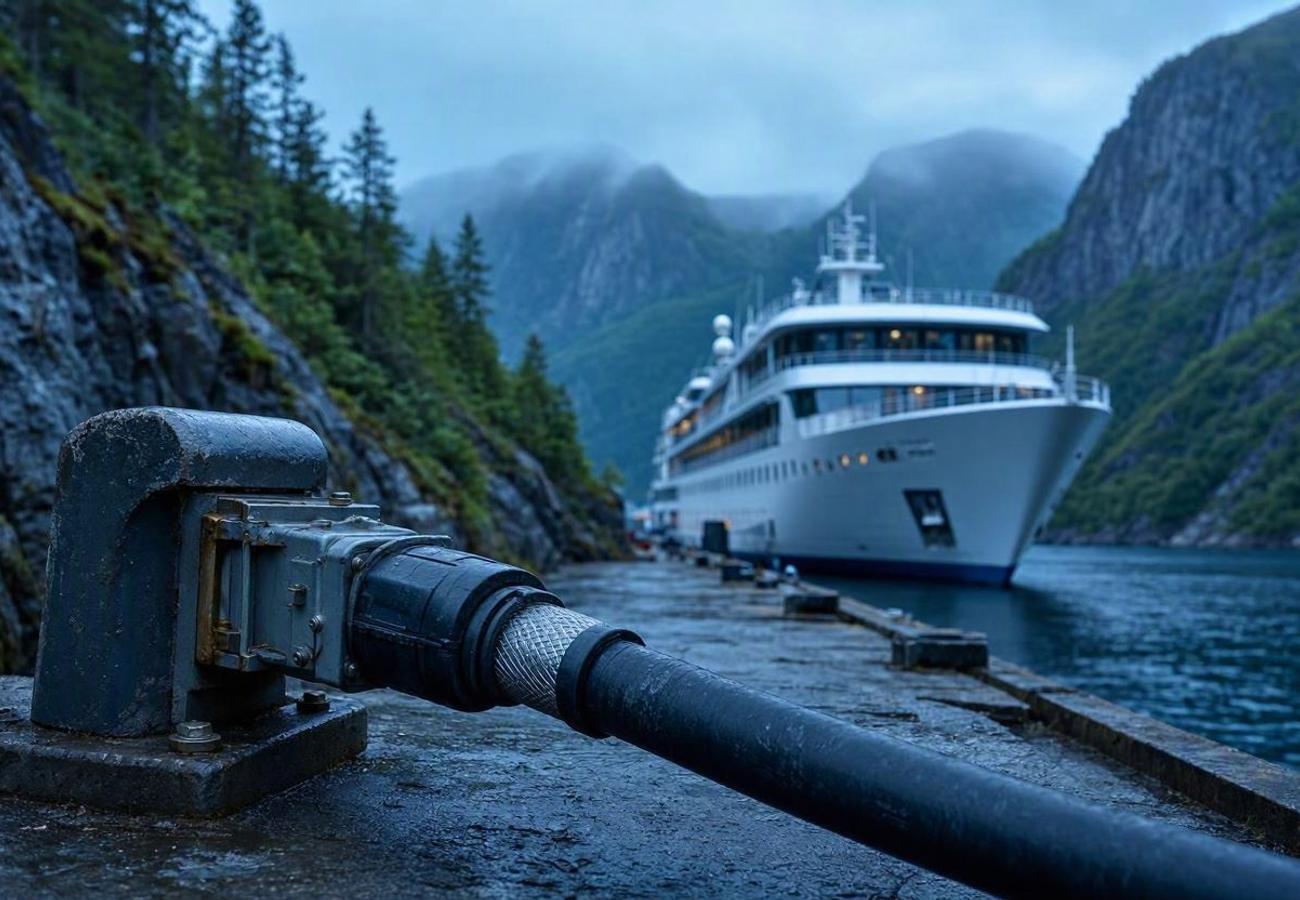
Image generated by AI
1 January 2026 marks the definitive deadline for passenger vessels under 10,000 gross tonnes to meet zero-emission requirements when operating within Norway's World Heritage fjords. This regulatory pivot is not an isolated Nordic experiment but the vanguard of a broader European maritime restructuring. From the Baltic gateways of Sweden and Denmark to the Mediterranean hubs of Spain, the cruise industry is shifting its competitive metric from vessel size and luxury amenities to the technological capacity of its port interfaces.
The Regulatory Pivot Toward Zero-Emission Maritime Zones
The transition in European cruise tourism is moving away from a focus on passenger capacity and toward the "invisible" infrastructure of the port. For decades, cruise ships functioned as floating cities that maintained their own power via heavy fuel oil generators while docked, leading to significant localized air and noise pollution. The new paradigm, led by the Norwegian government, transforms environmental compliance from a voluntary corporate social responsibility goal into a legal prerequisite for market access.
Norway's mandate specifically targets the most ecologically sensitive regions of the West Norwegian Fjords World Heritage landscape. The regulation is designed to eliminate the carbon footprint of tourism in areas where the geography traps emissions, directly impacting the operational viability of routes through:
- Nærøyfjord
- Aurlandsfjord
- Geirangerfjord
- Sunnylvsfjord
- Tafjord
To maintain access to these iconic sites, operators must now integrate shore power—plugging the ship into the local electrical grid—or transition to alternative fuels. This shift is supported by the International Maritime Organization (IMO), which has been pushing for global reductions in greenhouse gas emissions from international shipping.
Infrastructure Mapping: The European Green Port Network
The movement toward "Green Ports" is creating a fragmented landscape where only technologically advanced hubs can attract the newest, cleanest vessels. The following data outlines the strategic focus of the primary European cruise gateways:
| Country | Primary Sustainability Mechanism | Key Strategic Hubs |
|---|---|---|
| Norway | Zero-emission mandates & shore power | Bergen, Flåm |
| Sweden | Baltic maritime sustainability | Stockholm |
| Denmark | Green infrastructure integration | Copenhagen |
| Germany | Port modernization & electrification | Hamburg |
| Netherlands | Alternative fuel & grid connectivity | Rotterdam |
| Spain | Mediterranean electrification | Barcelona |
In the Netherlands, the Port of Rotterdam has implemented the Holland Amerikakade shore power system. This allows massive cruise vessels to shut down their onboard engines entirely while docked, drastically reducing the acoustic and chemical impact on the surrounding urban environment. Similarly, Germany has positioned Hamburg as a primary "green gateway," treating the port not as a transit point but as a critical component of the city's sustainable urban planning.
In the Mediterranean, Spain is facing a different set of pressures. Barcelona, one of the world's most visited cruise destinations, is balancing immense passenger volumes with the need for electrification. The Spanish strategy focuses on managing the urban impact of "overtourism" by integrating cleaner port infrastructure with smarter passenger flow management to reduce the footprint of each visitor.
Expert Analysis: The Economic Logic of Electrification
For the traveler, the immediate result of these shifts is a quieter, cleaner port experience. However, the underlying business logic is far more complex. We are seeing the emergence of "Infrastructure-Driven Routing." In the past, cruise lines chose ports based on tourist attractions. In the 2026-2030 window, they will choose ports based on the availability of shore power and low-emission refueling.
The direct consequence for the consumer is a likely bifurcation of cruise pricing. Vessels capable of meeting Norway's zero-emission standards or utilizing Rotterdam's shore power are newer, more expensive to operate, and require higher capital investment. These "Green-Tier" ships will likely command a premium price point. Conversely, older vessels that cannot adapt to these regulations will be pushed out of the Northern European and Mediterranean markets, potentially lowering prices on less-regulated routes in other parts of the world.
Norway's ambitious green port initiative aims to reduce emissions in its fjords, with a focus on zero-emission vessels by 2026. The Norwegian Maritime Authority oversees the implementation of these regulations, ensuring a smoother transition for cruise operators and passengers alike. As the initiative gains momentum, it is expected to have a significant impact on the country's tourism industry.
Furthermore, the reliance on shore power creates a new dependency on local energy grids. If a city like Bergen or Barcelona cannot guarantee a stable, green energy supply to a 5,000-passenger ship, the ship remains a polluter. The "Green Port" is therefore not just a maritime achievement but a municipal energy challenge. For travel advisors, the ability to distinguish between "green-washed" itineraries and those utilizing genuine shore-power infrastructure will become a key value proposition for high-net-worth, eco-conscious clients.
Key Takeaways
- Mandatory Compliance: Starting January 1, 2026, ships under 10,000 gross tonnes must be zero-emission to enter Norway's World Heritage fjords.
- Infrastructure Shift: The competitive advantage for ports has shifted from "capacity" to "connectivity," specifically the ability to provide shore power.
- Regional Leadership: Norway, the Netherlands (Rotterdam), and Germany (Hamburg) are setting the technical benchmarks for the rest of the EU.
- Market Bifurcation: Expect a price gap to emerge between "Green-Tier" vessels capable of accessing regulated ports and legacy ships.
- Urban Integration: Ports in Barcelona and Stockholm are now being managed as part of city-wide environmental zones rather than isolated industrial areas.
FAQ: Green Cruise Ports 2026
Will these new regulations make cruises more expensive? Likely yes. The cost of upgrading ships to be zero-emission or shore-power compatible is immense. These capital expenditures are typically passed to the passenger through higher ticket prices for "eco-certified" itineraries.
What is "shore power" and why does it matter? Shore power (cold ironing) allows ships to plug into the city's electrical grid and turn off their diesel engines while docked. This eliminates local air pollution and noise in port cities.
Can I still visit the Norwegian fjords if my ship isn't zero-emission? After January 2026, ships under 10,000 gross tonnes that do not meet the zero-emission mandate will be barred from World Heritage fjords. Larger ships have different, later timelines but are under increasing pressure.
Which European ports are the cleanest for travelers? Rotterdam, Hamburg, and Bergen are currently leading in shore power infrastructure, offering the most significant reductions in port-side emissions.
The era of the "floating city" is ending; the era of the "integrated grid" has begun.
Related Travel Guides
This article is for informational purposes. Flight routes, passenger regulations, visa rules, and transit advisories are subject to change by airlines and aviation authorities. Readers are advised to verify schedules and travel documentation with relevant carriers and border agencies before departure.
Related Stories
Amsterdam Mandates Shore Power for Cruise Ships Starting January 2027 to Cut Port Emissions
Norwegian Bella Opens 2028 Mediterranean Bookings: NCL Completes Prima Class with Barcelona Homeport