Norway 2027 Transit Guide: Oslo Safety Rankings and New Lofoten Visitor Levies

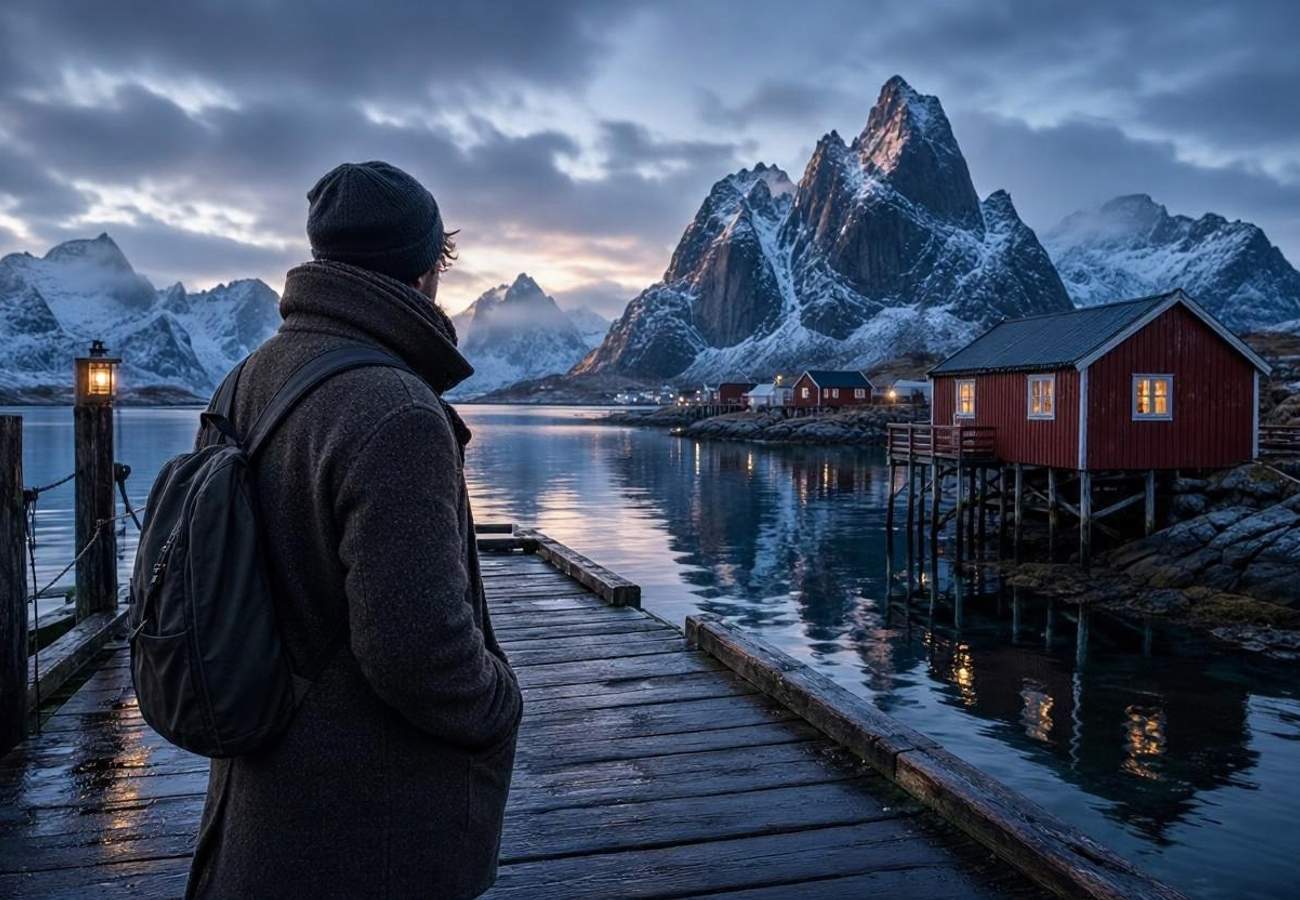
Image generated by AI
Planning a trip to the Arctic Circle or a city break in the Norwegian capital for 2027? You need to account for new municipal taxes in the Lofoten Islands and updated safety metrics for Oslo. While Norway remains one of the most accessible destinations in Scandinavia, recent legislative changes regarding "besøksbidrag" (visitor contributions) mean your accommodation budget may need a slight adjustment.
The 2027 Norway Transit and Tourism Shift
Norway is implementing a strategic shift in how it manages high-volume tourism, particularly in the fragile ecosystems of the north. The most significant change is the activation of a national visitor-contribution framework that allows individual municipalities to levy fees on tourists to fund local infrastructure, such as waste management, public toilets, and trail maintenance.
Simultaneously, Oslo has solidified its reputation as a premier secure destination. According to the Berkshire Hathaway Travel Protection (BHTP) Safest Places to Travel report released on 28 October 2026, Oslo is ranked as the 6th safest city globally for 2027. The ranking is based on a combination of crime rates, healthcare quality, and weather-related risks. While this makes the capital an ideal hub for those entering the country, travelers are still advised to use standard precautions in crowded transit zones.
Route and Infrastructure Updates
For those venturing beyond the capital, new cultural and luxury anchors have been established in the north, altering the typical transit flow through the Helgeland and Lofoten regions.
| Location | Feature/Change | Effective Date | Detail/Status |
|---|---|---|---|
| Vågan Municipality | 3% Overnight Levy | 1 January 2027 | Applied to accommodation price (excl. VAT) |
| Oslo | Global Safety Rank #6 | 2027 Cycle | Based on BHTP Oct 2026 Report |
| Storvågan | SKREI Museum | 30 June 2026 | New 5,000 sqm "Otolitten" building open |
| Træna | Ytri Island Retreat | 23 April 2026 | 38-room luxury remote facility |
Traveler Logistics Guide
Navigating the new tax laws and remote connections requires a proactive approach to booking and budgeting.
Managing the Lofoten Visitor Contribution If your itinerary includes Svolvær or other areas within Vågan Municipality, you must budget for a 3% surcharge on overnight stays. It is vital to understand that this is a municipal charge, not a blanket archipelago tax. As of now, only Vågan has finalized this specific 3% rate.
- The "Stay Date" Rule: The levy is triggered by the date of your stay, not the date of booking. If you booked and paid for a room in 2026 but stay on or after 1 January 2027, you are liable for the fee.
- Payment Verification: Check your booking confirmation. If you have prepaid, contact your provider to see if the 3% is included or if it must be settled upon checkout.
- Scope: This fee applies to all qualifying overnight stays within the Vågan municipal borders, not just the town center of Svolvær.
Accessing Remote Arctic Sites Visiting the new Ytri Island Retreat in the Træna archipelago or the SKREI museum in Storvågan requires coordinated transport.
- Træna Access: Ytri is located 60 kilometers offshore. You will need to coordinate boat transfers from mainland hubs. Check Visit Norway for the latest ferry and boat schedules, as these are highly seasonal.
- Lofoten Transit: To reach the SKREI museum (Otolitten), use local coach services or rental cars. For broader regional travel, the Entur Planner is the gold standard for integrating trains, buses, and ferries across Norway.
Oslo Transit Strategy With Oslo ranking so high in safety, it serves as an excellent base for "slow travel." Use the city's efficient public transport to reach waterfront neighborhoods and museums before heading north. Always verify seasonal weather alerts via the Norwegian Meteorological Institute before departing the city for the Arctic.
Regional Connectivity Impact
The introduction of the "besøksbidrag" marks a transition toward sustainable tourism. By funding infrastructure through visitor fees, Norway aims to prevent the degradation of its natural landmarks. For the traveler, this means a slight increase in cost but a theoretically better-maintained environment.
The opening of the SKREI museum provides a critical indoor alternative for tourists in Kabelvåg during the volatile Arctic winter, while the Ytri Island Retreat shifts the luxury market toward the Helgeland coast, potentially easing the overcrowding seen in the central Lofoten peaks.
FAQ: Norway Transit 2027
Do I need to pay the 3% tax for all of Lofoten? No. Currently, the 3% overnight levy is specifically approved for Vågan Municipality (including Svolvær). Other municipalities in the archipelago may introduce their own rates, but they are not currently unified under the 3% rule.
How is the visitor contribution collected? The levy is typically added to your accommodation bill. It is calculated as 3% of the room price, excluding VAT. If you prepaid in 2026 for a 2027 stay, you may still be charged upon arrival.
Is Oslo actually safe for solo travelers? Yes, Oslo is ranked the 6th safest city globally for 2027. However, this is a perception and data-based ranking; travelers should still exercise standard caution regarding theft in high-traffic tourist areas.
How do I get to the Ytri Island Retreat? Ytri is located in the Træna archipelago, 60km from the mainland. Access requires a combination of mainland transport and boat connections. It is recommended to coordinate transport directly through the retreat's concierge.
Plan your Arctic logistics early to avoid the seasonal bottlenecks of the north.
Related Travel Guides
This article is for informational purposes. Flight routes, passenger regulations, visa rules, and transit advisories are subject to change by airlines and aviation authorities. Readers are advised to verify schedules and travel documentation with relevant carriers and border agencies before departure.
Related Stories

New Zealand Visa Changes Delayed to Nov 23 2026 Amid South Island Weather Warnings

Spain Tourism Boom 2026: US Spending Surges 13% as Madrid and Barcelona Anchor Visitor Economy