
Frontier Airlines Flight FFT4646 from Denver to Orlando Diverts to Tampa on July 30, 2026: Airbus A321neo Route Change Explained
Frontier Airlines Flight FFT4646, an Airbus A321neo travelling from Denver to Orlando, diverted to Tampa International Airport on July 30, 2026, arriving over an hour behind schedule.

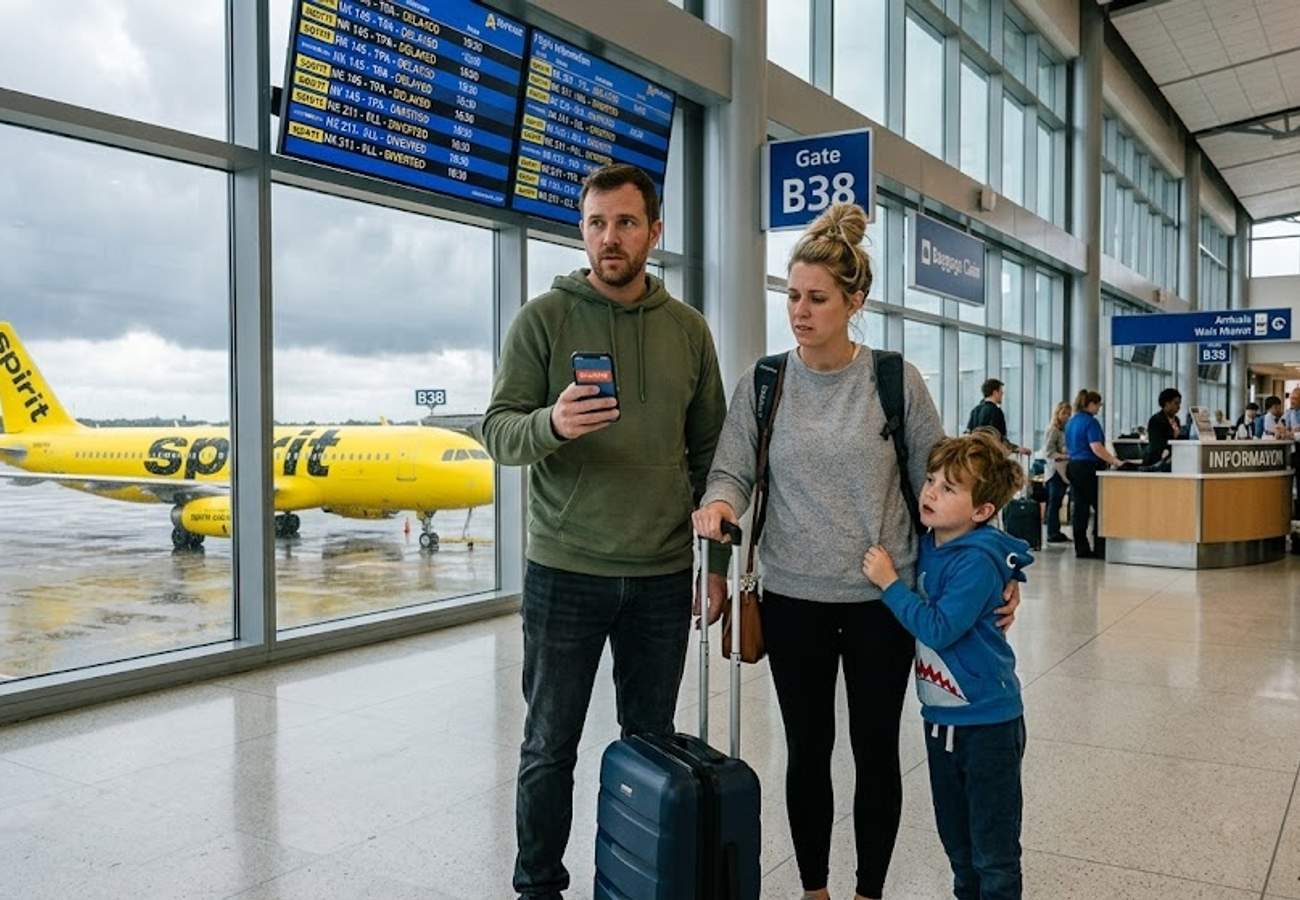
Image generated by AI
Frontier Airlines Flight FFT4646, an Airbus A321neo bound for Orlando from Denver, landed at Tampa International Airport instead on July 30, 2026 — leaving passengers roughly 130 kilometres from their intended destination and over an hour behind schedule.
Frontier Airlines Flight FFT4646, operating under the alternate flight number F94646, was scheduled to serve a routine domestic route from Denver International Airport to Orlando International Airport on Thursday, 30 July 2026. The aircraft, an Airbus A321neo registered as N640FR, departed from Gate A56 at Denver and initially followed its planned flight path toward central Florida. However, operational circumstances mid-flight forced the crew to alter course and land at Tampa International Airport on Florida's west coast.
The diversion, while not indicating any immediate emergency, disrupted the travel plans of every passenger onboard. Tampa sits approximately 130 kilometres from Orlando International Airport, meaning travellers required additional ground transportation or rebooking assistance to reach their original destination.
Flight Timeline and Operational Details
The flight was scheduled to depart Denver International Airport at approximately 6:00 AM MDT, with an expected arrival at Orlando International Airport at 11:47 AM EDT. Instead, the aircraft touched down at Tampa International Airport at approximately 12:26 PM EDT — roughly 1 hour and 9 minutes behind the original Orlando arrival schedule.
Frontier Airlines has not publicly confirmed the specific reason for the route change. In commercial aviation, diversions can stem from several factors including adverse weather, airport operational restrictions, technical inspections, medical situations, or air traffic management requirements. Airlines treat these decisions as precautionary measures to protect passengers, crew, and aircraft integrity.
Passenger Impact and Airline Response
Passengers on Flight FFT4646 faced an unexpected endpoint to their journey. Rather than arriving at Orlando International Airport, they found themselves at Tampa International Airport — a facility on Florida's Gulf Coast that serves a different metropolitan area entirely. The 130-kilometre gap between the two airports meant that simply deplaning did not conclude the travel experience for those ticketed to Orlando.
Airlines typically provide varying levels of support depending on the cause of the diversion and available operational resources. For Frontier passengers, this likely included onward transportation arrangements, updated scheduling information, and customer service guidance through official channels. The airline's operations centre would have coordinated with Tampa airport staff to manage the unscheduled arrival and determine next steps for both the aircraft and its occupants.
What This Incident Reveals About Airline Diversion Protocols
The FFT4646 diversion illustrates the layered decision-making process that governs modern commercial aviation. When a flight cannot safely or operationally complete its planned route, pilots coordinate with air traffic controllers and airline operations teams to identify the nearest suitable airport. Tampa International Airport, a major facility with full infrastructure for narrowbody aircraft like the A321neo, represents a logical alternate for flights originally targeting central Florida.
For passengers, diversions create uncertainty — particularly for those with connecting flights, hotel reservations, or time-sensitive commitments in Orlando. Business travellers heading to meetings in the Orlando area and leisure travellers bound for theme parks or cruises would have needed rapid contingency planning. The safe landing at Tampa demonstrates how the aviation system uses alternative airports to maintain safety when completing the original journey becomes impractical.
Navigating Flight Diversions as a Passenger
Flight diversions remain a standard element of aviation operations and do not inherently signal a serious problem. Travellers can minimise disruption by maintaining flexible itineraries, monitoring airline notifications in real time, and verifying connection requirements before departure — especially during peak travel periods when delays compound quickly.
Passengers affected by diversions should rely on official airline updates and airport information systems rather than third-party speculation. Frontier Airlines typically communicates revised schedules, transportation guidance, and further instructions through its customer service channels, including its website, mobile app, and airport service desks.
Broader Context for US Domestic Operations
The Denver-to-Orlando corridor represents a significant domestic route for low-cost carriers in the United States, connecting a major Rocky Mountain hub with one of Florida's primary tourism gateways. Disruptions on this route can ripple through connecting networks, particularly for passengers using Orlando as a onward connection point to Caribbean or Latin American destinations. While Frontier has not disclosed the diversion cause, the incident underscores how even a single unscheduled landing can cascade into rebooking demands, crew scheduling adjustments, and downstream flight impacts.
Data Table
| Flight Detail | Information |
|---|---|
| Flight Number | FFT4646 / F94646 |
| Airline | Frontier Airlines |
| Aircraft Type | Airbus A321neo |
| Registration | N640FR |
| Origin | Denver International Airport (Gate A56) |
| Scheduled Departure | 6:00 AM MDT, 30 July 2026 |
| Intended Destination | Orlando International Airport |
| Scheduled Arrival (Orlando) | 11:47 AM EDT |
| Diversion Airport | Tampa International Airport |
| Actual Arrival (Tampa) | 12:26 PM EDT |
| Delay Duration | Approximately 1 hour 9 minutes |
| Distance Between Tampa and Orlando | Approximately 130 kilometres |
Key Takeaways
- Frontier Airlines Flight FFT4646, an Airbus A321neo registered N640FR, diverted from its Denver-to-Orlando route and landed at Tampa International Airport on 30 July 2026.
- The aircraft arrived in Tampa at approximately 12:26 PM EDT, roughly 1 hour and 9 minutes behind the original Orlando arrival schedule.
- Tampa International Airport is approximately 130 kilometres from Orlando International Airport, requiring additional passenger arrangements.
- Frontier Airlines has not publicly confirmed the specific reason for the diversion.
- The safe landing demonstrates standard aviation diversion protocols using alternate airports to prioritise safety.
Frequently Asked Questions
What happened to Frontier Airlines Flight FFT4646 on July 30, 2026? The flight, operating from Denver International Airport to Orlando International Airport, diverted to Tampa International Airport and landed at approximately 12:26 PM EDT, about 1 hour and 9 minutes behind schedule.
Why was the Frontier flight diverted to Tampa instead of Orlando? The exact reason has not been publicly confirmed. Diversions can occur due to weather, airport restrictions, technical inspections, medical situations, or air traffic management requirements.
How far is Tampa International Airport from Orlando International Airport? The two airports are approximately 130 kilometres apart, meaning passengers required additional transportation to reach Orlando.
What aircraft was operating Frontier Flight FFT4646? The flight was operated by an Airbus A321neo registered as N640FR.
What should passengers do during a flight diversion? Passengers should monitor official airline notifications, stay in contact with customer service, and follow airport guidance for onward transportation or rebooking assistance.
When a flight changes course mid-air, the safest runway — not the scheduled one — becomes the right destination.
Related Travel Guides
Disclaimer
This article is for informational and educational purposes only. It does not constitute legal, financial, or professional advice. While we strive to provide accurate and up-to-date information, travel policies, regulations, and conditions change rapidly. Always verify information with official sources before making travel decisions. Nomad Lawyer makes no representations about the accuracy, reliability, completeness, or suitability of the information provided. Readers should consult qualified professionals for advice specific to their circumstances. The views expressed in this article are those of the author and do not necessarily reflect the views of Nomad Lawyer.
Preeti Gunjan
Contributor & Community Manager
A passionate traveller and community builder. Preeti helps grow the Nomad Lawyer community, fostering engagement and bringing the reader experience to life.
Learn more about our team →