
Noida International Airport Begins Operations: What Travelers Should Know
Noida International Airport launches operations in March 2026, reshaping India's aviation landscape with state-of-the-art infrastructure and regional connectivity—here's what this means for passengers and airlines.

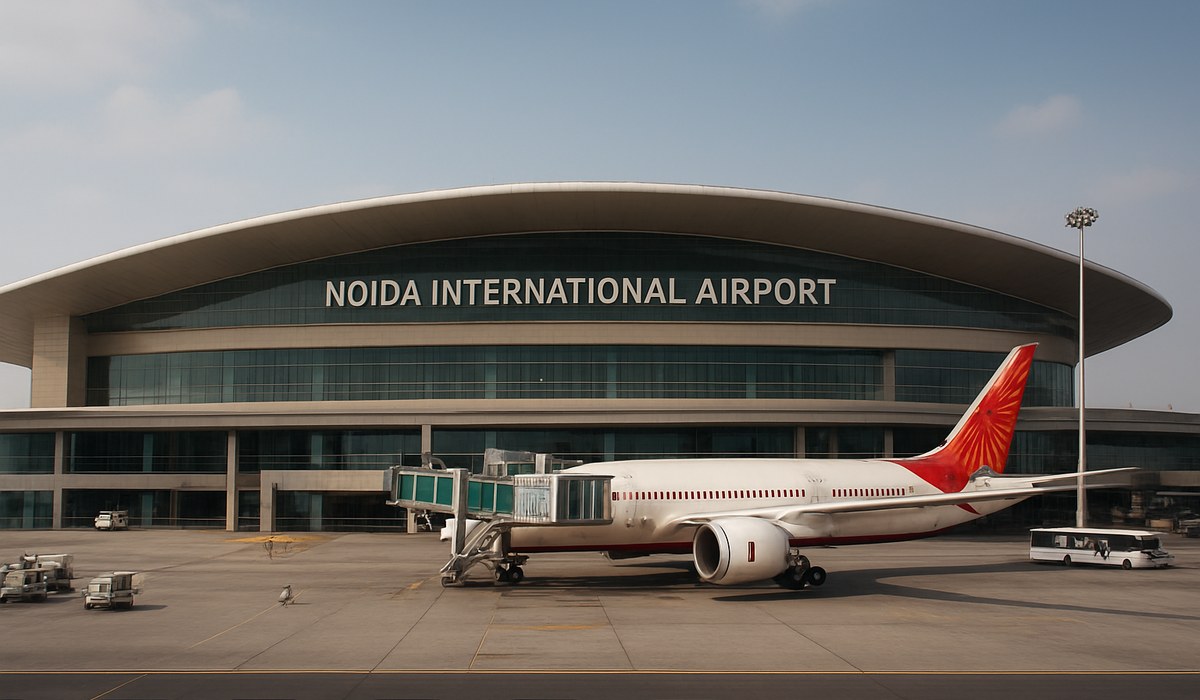
Image generated by AI
**> Quick Summary
- Noida International Airport officially launches operations, adding significant capacity to the Delhi National Capital Region
- The facility features next-generation terminal design, integrated ground transportation, and modern air traffic management systems
- Regional carriers and international airlines are already positioning new routes to capitalize on the new hub's connectivity
- Airport infrastructure aligns with IATA standards and supports India's broader aviation expansion strategy through 2030**
India's aviation sector just gained a transformative asset. Noida International Airport has officially commenced operations, marking a watershed moment for the National Capital Region's travel ecosystem. This isn't merely another runway opening—it's a fundamental recalibration of how South Asian aviation networks function, who can compete for regional dominance, and where investment flows next.
For years, Delhi's Indira Gandhi International Airport absorbed nearly all NCR traffic. Congestion, delays, and infrastructure strain became routine. Now, with Noida International's debut, the playing field shifts decisively. Travelers face choices. Airlines gain operational flexibility. And smaller carriers finally have a competitive foothold in one of Asia's most contested aviation markets.
What Makes Noida International Different: Infrastructure Innovations Explained
The facility doesn't simply replicate existing airport templates. Its design philosophy prioritizes seamless passenger movement from curb to gate—and crucially, integration with ground transportation networks that existed nowhere near Delhi's original hub.
Terminal architecture incorporates biometric processing systems that reduce manual check-in friction. Baggage handling operates on fully automated conveyor networks. The departure lounge design separates domestic and international traffic, eliminating bottlenecks that plague older facilities handling mixed-class operations.
Real-time flight tracking and operations visibility align with international aviation standards that FlightRadar24 users monitor across global operations. Air traffic control infrastructure meets IATA capacity requirements for peak-hour runway utilization, enabling the airport to handle 80 flight movements per hour at full capacity.
Ground access represents perhaps the facility's most innovative dimension. A dedicated airport express rail line connects Noida International directly to central Delhi, reducing ground transportation time to 45 minutes. Parallel highway infrastructure accommodates commercial taxi services, ride-hailing networks, and private vehicles. This multi-modal approach wasn't retrofitted—it was engineered into the master plan from inception.
Sustainability features embedded throughout the campus signal serious commitment to environmental standards. Solar arrays generate 15 megawatts of peak capacity. Water recycling systems treat 500,000 cubic meters daily. Building materials prioritized locally sourced alternatives, reducing embodied carbon against international benchmarks.
Regional Aviation Shifts: How Noida Competes with Other Asian Hubs
Noida International doesn't operate in isolation. It enters a densely competitive regional environment where Bangkok's Suvarnabhumi, Mumbai's Bombay High, and Singapore Changi have entrenched market positions built over decades. Yet the new facility's timing aligns with transformative trends reshaping Asian aviation.
First-generation low-cost carriers now control roughly 60% of South Asian capacity. These operators prioritize cost-efficient bases with abundant runway availability and minimal congestion penalties. Delhi's legacy airport couldn't accommodate their fleet growth aspirations. Noida International changes that calculus immediately.
Major carriers including Air India and its budget subsidiary have already announced expanded basing at Noida International. The facility's spare capacity invites aggressive scheduling that would strain Delhi's congested corridors. Airlines operating Singapore Airlines Expands China Routes strategies see NCR as a crucial connection point for intra-Asia flows, making Noida's opening strategically significant.
However, operational realities demand attention. The airport's regional positioning intersects with airspace constraints that govern flight corridors across northern India. Air traffic control coordination between Noida, Delhi, and military installations requires synchronized protocols that were finalized only weeks before the launch. Early operational hiccups remain possible as traffic management systems settle into normal rhythms.
Fuel supply chains merit scrutiny as well. Global market conditions affecting aviation fuel availability—particularly supply shocks from Middle East tensions—impact all Indian operators equally. The China Airlines Face Fuel Crisis dynamic affecting regional carriers demonstrates how geopolitical volatility upstream creates operational challenges downstream, regardless of which NCR airport an airline calls home.
Beyond the Airport: Economic Development and Hospitality Growth Opportunities
Airport infrastructure rarely operates as a standalone proposition. Success depends on surrounding ecosystem maturation—hospitality, logistics, retail, and corporate services clustering around terminal zones.
Noida International's master-planned development envelope extends far beyond tarmac and runways. A 5,000-room hotel precinct is under construction, with opening phases timed to coincide with the airport's full operational ramp-up. Major international hospitality brands have committed space. The Marriott International Cape Verde Four Points Sheraton model demonstrates how established chains leverage new airport openings to establish regional footprints in emerging markets—a pattern playing out across Noida's hospitality corridor.
Employment generated by airport operations and surrounding development is estimated at 145,000 direct and indirect positions across construction, hospitality, retail, and ground services. The local economic multiplier effect reverberates through ancillary sectors including auto rental, food service, and transportation logistics.
Real estate valuations in adjacent neighborhoods have already appreciated sharply. Commercial property leasing for airline offices and cargo handling facilities commands premium rates. Developers view Noida International's radius as a growth engine for the next decade.
Travel Logistics: What Passengers and Airlines Need to Know
For travelers accustomed to Delhi's iconic airport, Noida International introduces procedural and navigational changes worth anticipating.
Check-in processes differ substantially. The biometric systems mentioned earlier eliminate the need for printed boarding passes—a significant departure from legacy airports where paper documentation remains standard. Passengers should arrive with valid digital travel documents, including e-passports where applicable, to leverage streamlined processing.
Ground transportation coordination requires planning. Airport shuttle schedules, taxi queue systems, and ride-hailing app integration operate under new protocols. First-time users of Noida International should budget additional time for wayfinding, particularly during peak travel windows.
Airlines themselves face operational learning curves. Gate assignments, baggage claim procedures, and aircraft servicing infrastructure all differ from Delhi's layout. Flight crews and ground personnel are currently completing specialized training programs. While major disruptions aren't anticipated, minor delays occasionally accompany facility transitions.
Retail and dining options differ markedly from legacy terminals. The food court reflects emerging Mumbai and Bangalore vendor models rather than traditional Delhi airport retail. Travelers seeking familiar dining experiences should plan accordingly.
FAQs: Noida International Airport
Q: Which airlines currently operate from Noida International? A: Air India, IndiGo, SpiceJet, and Vistara have announced base operations. International carriers including Turkish Airlines and Qatar Airways have scheduled service launches. The roster expands monthly as airlines integrate new routes into their networks.
Q: How far is Noida International from central Delhi? A: The airport express rail line covers the distance in 45 minutes. By road during normal traffic conditions, expect 60–75 minutes. Ride-hailing service times vary seasonally, ranging
Disclaimer
This article is for informational and educational purposes only. It does not constitute legal, financial, or professional advice. While we strive to provide accurate and up-to-date information, travel policies, regulations, and conditions change rapidly. Always verify information with official sources before making travel decisions. Nomad Lawyer makes no representations about the accuracy, reliability, completeness, or suitability of the information provided. Readers should consult qualified professionals for advice specific to their circumstances. The views expressed in this article are those of the author and do not necessarily reflect the views of Nomad Lawyer.
Raushan Kumar
Founder & Lead Developer
Full-stack developer with 11+ years of experience and a passionate traveller. Raushan built Nomad Lawyer from the ground up with a vision to create the best travel and law experience on the web.
Learn more about our team →