Regional Airspace Crisis Forces Nine Flight Cancellations at Kuwait International Airport


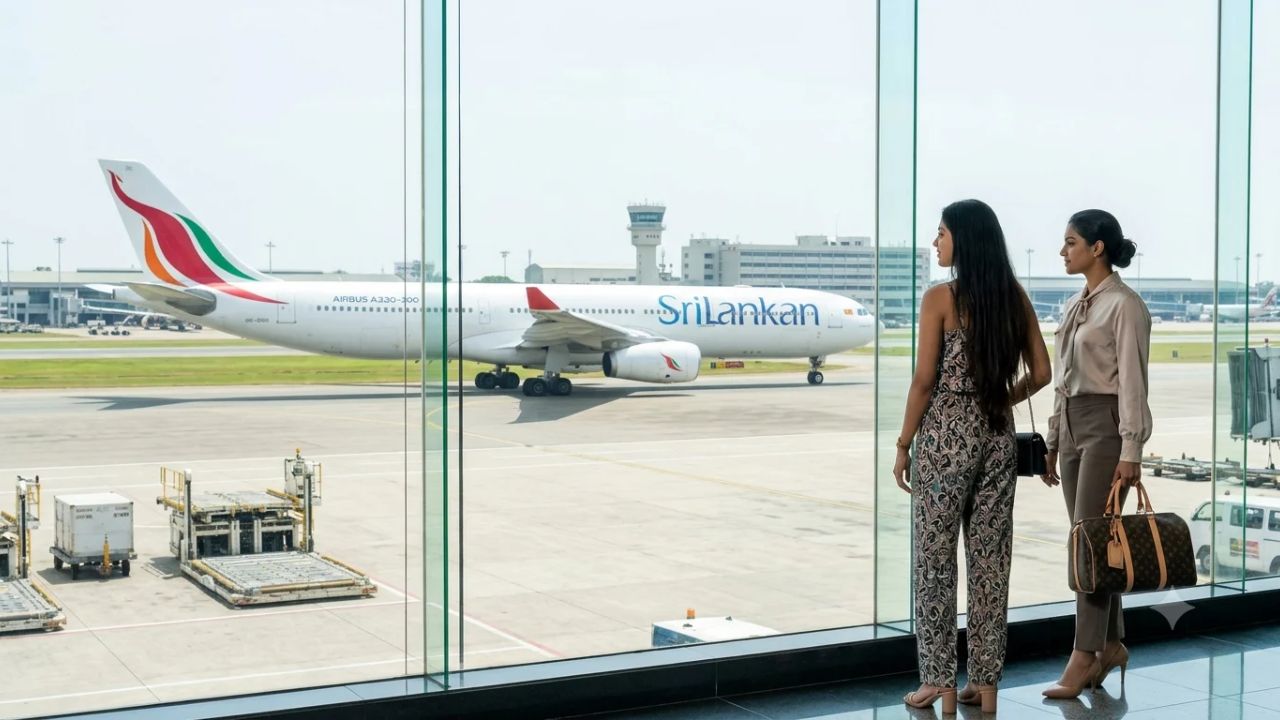
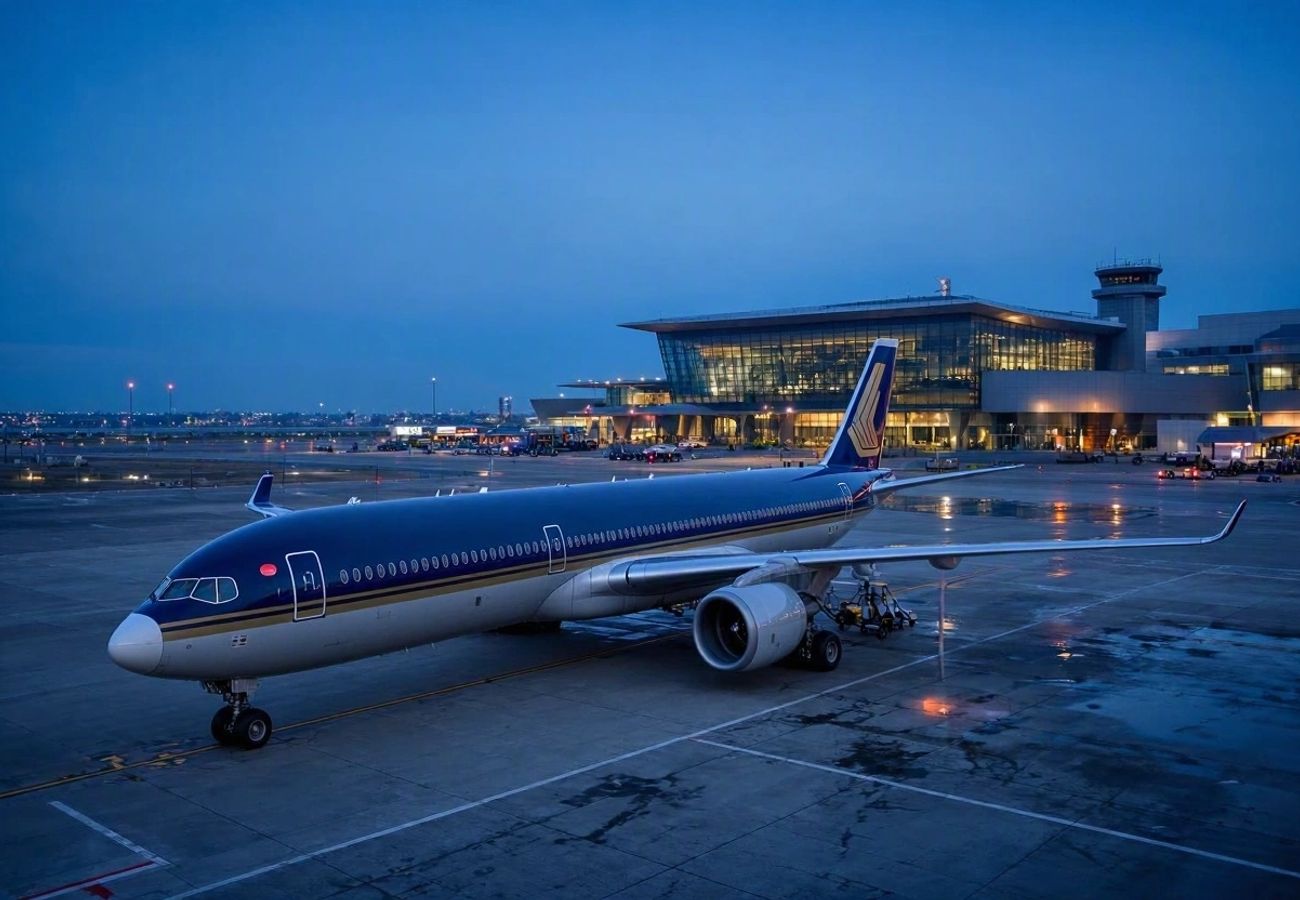
Image generated by AI
Middle Eastern travel chaos deepens as carriers slash schedules amid geopolitical tensions and restricted flight corridors
Widespread Disruption Strikes Major Gulf and European Routes
Kuwait International Airport ground to a halt this week as nine commercial flights were scrubbed, leaving passengers stranded on critical routes linking the Gulf region to Europe. The cancellations—affecting services to Dubai, Riyadh, Doha, and London—underscore an escalating crisis in Middle Eastern aviation triggered by ongoing regional airspace closures and severe schedule reductions across multiple carriers.
Kuwait Airways and budget operator Jazeera Airways have emerged as the hardest-hit carriers, with both implementing sweeping operational cutbacks in response to the fluid security situation. The coordinated airspace restrictions, now stretching weeks into a conflict-driven standoff, have effectively shrunk the already-limited flight capacity from Kuwait City, transforming routine cancellations into headline-making disruptions for the 4.3 million annual passengers who transit the airport.
Airlines Implement Aggressive Schedule Reductions
Flight-status bulletins and regional operations data confirm the scale of the disruption. Kuwait Airways has suspended regular inbound and outbound services for multiple consecutive weeks, while Jazeera Airways has begun rerouting operations through alternative airports in Saudi Arabia to circumvent closure zones. Both carriers have publicly acknowledged limited flight availability, urging passengers to book alternative routings or delay non-essential travel.
International carriers operating from Kuwait have similarly trimmed frequencies, with some temporarily suspending specific routes entirely. The cascading effect has eliminated alternative options for travelers seeking to connect through the Gulf hub—a traditionally reliable entry point for business and family travel between Asia, the Middle East, and Europe.
Broader Industry Impact and Cost Implications
The Kuwait disruptions reflect a wider pattern now destabilizing Middle Eastern aviation. Elevated jet fuel prices, driven by geopolitical uncertainty, have compounded the financial pressure on carriers already facing restricted airspace and reduced passenger demand. Airlines across the region have simultaneously announced baggage charge increases and ancillary fee hikes to offset margin erosion.
Industry analysts warn that prolonged airspace closures risk accelerating airline consolidation, with smaller operators like Jazeera Airways facing existential pressure. Passengers meanwhile face higher ticket prices, fewer routing options, and increased ancillary aviation fees—a perfect storm for the region's travel-dependent economy.
Passenger Impact and Travel Uncertainty
Travelers holding bookings on affected Kuwait routes face mounting uncertainty. The airline industry has offered rebooking on later flights or partial refunds, but alternative options remain constrained across the Gulf network. Business travelers and expatriate communities—who rely heavily on Gulf aviation corridors—report booking longer layovers to absorb potential delays.
Regional aviation authorities have provided no timeline for airspace reopening, leaving carriers unable to confirm schedule stability beyond the next 48 hours.
FAQ: Kuwait Airport Disruptions and Middle East Aviation
Q: Why are flights being canceled at Kuwait International Airport? A: Regional airspace closures triggered by ongoing geopolitical conflict have forced carriers to suspend or drastically reduce services. Kuwait Airways and Jazeera Airways have implemented major schedule cutbacks due to restricted flight corridors and reduced passenger demand.
Q: Which airlines are most affected by the Kuwait Airport crisis? A: Kuwait Airways and Jazeera Airways are operating at severely reduced capacity. International carriers have also trimmed frequencies on Gulf routes, limiting alternatives for connecting passengers.
Q: Are airline fees increasing due to the airspace crisis? A: Yes. Carriers across the Middle East have announced baggage charge increases and higher ancillary aviation fees to offset margin losses from elevated jet fuel prices and reduced operational capacity.
Q: When will Kuwait Airport resume normal flight operations? A: Regional aviation authorities have not provided a timeline for airspace reopening. Airlines are currently unable to confirm schedule stability beyond 48 hours.
Q: What are my rights if my Kuwait flight is canceled? A: Airlines are offering rebooking on later flights or partial refunds. Passengers should contact their carrier directly for specific options, as availability remains severely limited across Gulf routes.
Related Travel Guides
- Egypt Strengthens Strategic Tourism Ties with Italy to Drive Multi-Destination Travel
- Boeing Unveils First 777-8 Freighter as Cargo Aviation Enters New Era
- United States Issues Worldwide Travel Caution Affecting Major Airspace Corridors and Flight Hubs Across Turkey and Gulf Cooperation Council Nations
This article is for informational purposes. Flight routes, passenger regulations, visa rules, and transit advisories are subject to change by airlines and aviation authorities. Readers are advised to verify schedules and travel documentation with relevant carriers and border agencies before departure.
Related Stories
Brazil Nears 100 Million Air Passengers in 2026 Amid Divergent Global Aviation Growth