
New Zealand Updates Travel Advisories for UAE and Qatar Amid 14th Night of US-Iran Strikes 2026
New Zealand has issued urgent travel warnings for the UAE, Qatar, and other Gulf nations as US military strikes on Iran enter their 14th consecutive night, risking massive aviation disruptions.

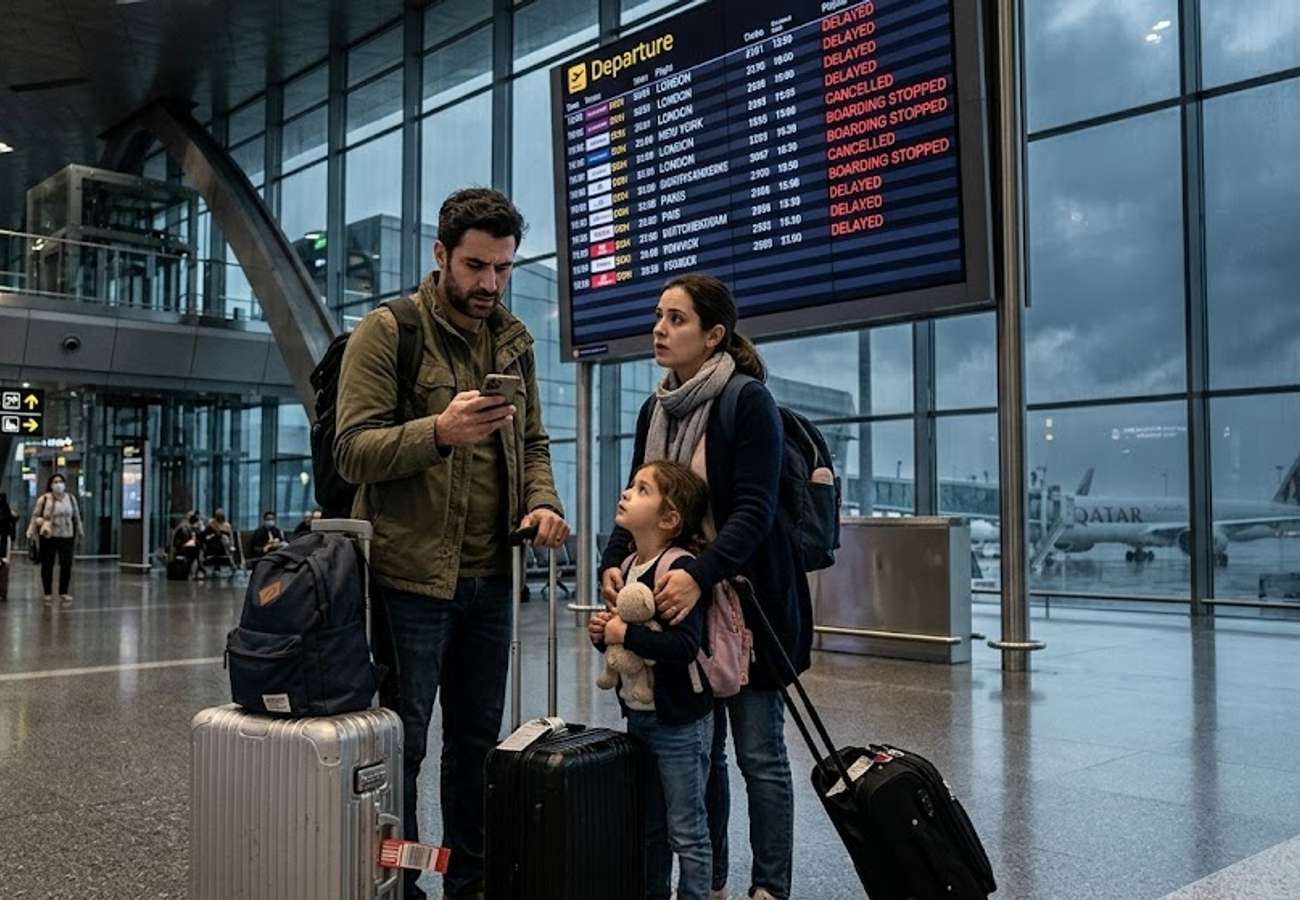
Image generated by AI
The Middle East is currently navigating a severe security crisis as US military strikes against Iran reached a 14th consecutive night on 24 July 2026. This escalation has prompted the New Zealand government to overhaul its travel advisories, warning of potential airspace closures and the risk of passengers becoming stranded at major global hubs.
The conflict between Washington and Tehran has created a volatile environment for international aviation. Because the Gulf region serves as the primary transit corridor connecting North America, Europe, Asia, and Africa, any localized military escalation threatens to trigger a global ripple effect on flight schedules and passenger safety.
New Zealand officials have urged citizens to reconsider all non-essential travel to several Middle Eastern destinations, noting that the security situation could deteriorate without warning.
Aviation Hubs Under Pressure: UAE and Qatar
The United Arab Emirates and Qatar remain the most critical transit points in the region, but their strategic importance now places them under intense security scrutiny.
In the UAE, authorities are maintaining operations at Dubai International Airport and Abu Dhabi International Airport. While these gateways remain open, the risk of regional spillover has created significant uncertainty regarding airspace management and flight reliability.
Similarly, Qatar's Hamad International Airport in Doha continues to process thousands of connecting passengers. However, because Doha is a primary link for travelers moving between the Americas and Asia, any sudden restriction in regional air routes could leave thousands of transit passengers stranded.
Critical Infrastructure and Security Threats
The New Zealand government has specifically identified several types of infrastructure that may be targeted as the military confrontation continues. This increases the risk not only for military personnel but for civilians and tourists in the vicinity of:
- Airports and aviation facilities
- Energy and power grids
- Telecommunications hubs
- Water desalination plants
- Diplomatic missions and government facilities
The ongoing nature of the strikes—now spanning 14 nights—suggests a prolonged campaign to degrade Iranian military capabilities. For the travel industry, this implies a long-term period of instability characterized by higher aviation security measures, fluctuating fuel prices, and a sharp decline in tourism confidence.
New Zealand Travel Risk Classifications
The New Zealand government has categorized Middle Eastern destinations into two primary risk levels based on the current security climate.
Level 3: Reconsider Non-Essential Travel
These nations are under increased monitoring due to their proximity to the conflict or their role as regional hubs.
| Country | Primary Travel Risks |
|---|---|
| United Arab Emirates | Regional escalation, aviation disruptions, security concerns |
| Qatar | Flight uncertainty, regional military tensions, transit risks |
| Bahrain | Security threats linked to military connections |
| Kuwait | Retaliation risks and proximity to conflict zones |
| Saudi Arabia | Infrastructure risks and regional security concerns |
| Oman | Gulf instability and maritime security concerns |
| Jordan | Possible travel disruption and conflict spillover |
Level 4: Do Not Travel
The highest warning level has been applied to regions where active conflict or extreme instability is present. New Zealand citizens in these areas are advised to depart immediately if safe to do so.
- Iran: The epicenter of the current military strikes.
- Iraq: High risk due to geographical position and regional military activity.
- Israel and Occupied Palestinian Territories: Persistent security risks and military operations.
- Lebanon: High uncertainty due to regional instability.
- Syria: Severe security warnings due to ongoing conflict.
- Yemen: Significant instability affecting transportation and safety.
Diplomatic Disruptions and Consular Support
The severity of the crisis is further evidenced by the temporary closure of the New Zealand Embassy in Tehran. The decision was made following a rapid deterioration of security conditions on the ground.
New Zealand citizens currently in Iran who require urgent assistance are being redirected to the New Zealand Embassy in Ankara, Türkiye. For immediate emergency support, travelers are advised to contact the 24/7 Consular Emergency Centre.
The closure of a diplomatic mission is a critical indicator of the risk level, as it limits the government's ability to provide direct on-the-ground support to its citizens during an active military confrontation.
Travelers are urged to monitor official government channels for real-time updates as airspace restrictions may be implemented with little to no notice.
Related Travel Guides
Disclaimer
This article is for informational and educational purposes only. It does not constitute legal, financial, or professional advice. While we strive to provide accurate and up-to-date information, travel policies, regulations, and conditions change rapidly. Always verify information with official sources before making travel decisions. Nomad Lawyer makes no representations about the accuracy, reliability, completeness, or suitability of the information provided. Readers should consult qualified professionals for advice specific to their circumstances. The views expressed in this article are those of the author and do not necessarily reflect the views of Nomad Lawyer.
Kunal K Choudhary
Co-Founder & Contributor
A passionate traveller and tech enthusiast. Kunal contributes to the vision and growth of Nomad Lawyer, bringing fresh perspectives and driving the community forward.
Learn more about our team →