
Boquillas Crossing Becomes a Pedestrian Gateway Model for Border Travel
Boquillas Crossing becomes a rare pedestrian-only U.S.-Mexico border portal at Big Bend in 2026, reimagining cross-border travel through rowboats and human-scale diplomacy instead of inspection plazas.

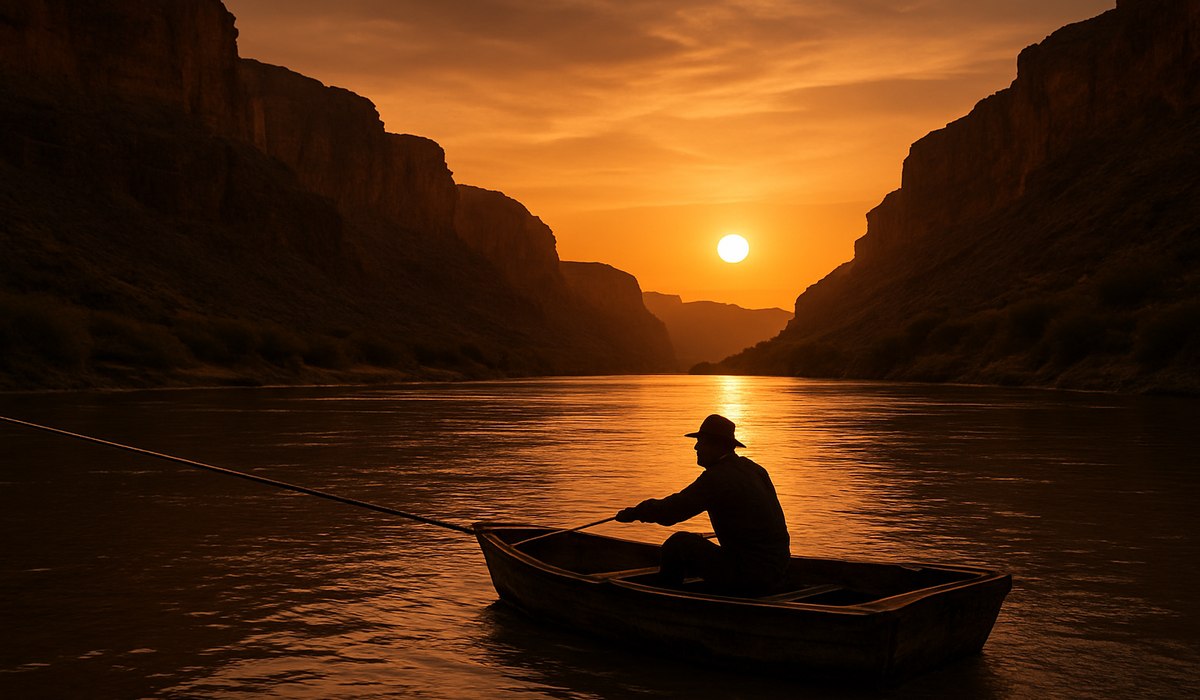
Image generated by AI
Boquillas Crossing Becomes a Living Model for Pedestrian Border Travel
Boquillas Crossing at Big Bend National Park is redefining what a U.S.-Mexico border gateway can be. Rather than vehicle inspection lanes and sprawling customs complexes, this remote West Texas location offers hand-pulled rowboats, gravel riverside paths, and direct access to the Mexican village of Boquillas del Carmen in Coahuila. As border travel evolves in 2026, this pedestrian-focused model demonstrates how security, conservation, and community economics can coexist along sensitive desert landscapes.
A Pedestrian Port of Entry That Feels Like a Village Footbridge
Located at the southeastern rim of Big Bend National Park, Boquillas Crossing becomes a gateway where the Rio Grande separates two nations but connects two communities. The crossing operates as one of only a handful of pedestrian-only ports of entry along the entire U.S.-Mexico border, making it structurally unique in American border infrastructure.
The facility's design reflects its singular purpose. Visitors encounter a modest gravel road leading to the river, a small U.S. inspection kiosk equipped with remote video technology, and a simple boat landing on the Mexican bank. Shallow water conditions sometimes allow wading; otherwise, local operators provide rowboat rides across the Rio Grande for a nominal fee. On the Coahuila side, a short track leads to Boquillas del Carmen, accessible by pickup truck, horseback, or a thirty-minute walk uphill.
The National Park Service maintains limited operating hours—typically Friday through Monday schedules with seasonal adjustments—reinforcing that this crossing serves day-trip tourism rather than continuous transit. This temporal rhythm aligns with the crossing's character: a human-scale border experience where landscape and interaction take precedence over throughput and processing speed. Learn more about Big Bend National Park regulations and visitor guidelines.
From Informal Crossing to Post-9/11 Closure and Strategic Reopening
For generations, Boquillas Crossing functioned as an informal, lightly monitored crossing where Big Bend visitors exchanged dollars for meals, beverages, and handcrafted goods from local artisans. Residents of Boquillas del Carmen depended substantially on seasonal tourism income, creating a cross-border economic interdependence rooted in ranching families and park workers sharing the borderlands.
The September 11, 2001 attacks triggered an abrupt reversal. U.S. border security policy tightened dramatically, and Boquillas Crossing closed in 2002. For over a decade, this small village lost its primary revenue source. Documentation from conservation groups and regional tourism organizations confirms that residents migrated elsewhere seeking employment, while local businesses contracted to survival mode.
The 2013 reopening represented a carefully engineered compromise. A formal port of entry was established on the U.S. side, utilizing video inspection kiosks connecting travelers with remotely stationed Customs and Border Protection officers. National Park Service personnel manage visitor safety and flow. While standard documentation requirements apply, the physical infrastructure remains intentionally modest—a conscious choice distinguishing Boquillas Crossing becomes a model of proportionate security rather than maximum processing capacity.
Post-reopening recovery has been steady. Local restaurants, craft vendors, and hospitality services gradually returned. Solar power infrastructure improvements and modest tourism development demonstrate community investment. While visitor numbers remain modest compared to major national park attractions, consistent day-trip traffic sustains employment for dozens of local residents across food service, transportation, and artisan sectors.
The Experience: From Riverbank to Desert Village
Crossing at Boquillas offers an intimacy rarely found at U.S.-Mexico border checkpoints. The experience unfolds slowly, allowing landscape and human connection to dominate the narrative. After video inspection and document verification, visitors descend to the river, either wade across or board a traditional rowboat, then climb toward the village along a sandy track.
Boquillas del Carmen itself reflects borderland culture: modest adobe structures, small restaurants serving regional Mexican cuisine, craft vendors displaying handmade pottery and woven goods, and locals accustomed to welcoming international visitors. The village economy has adapted to periodic tourism cycles while maintaining authentic community character. Visitors encounter genuine cross-border interaction rather than commercialized border performance—a distinction that distinguishes this crossing from busier ports of entry.
The landscape amplifies the experience. Both sides of the Rio Grande feature shared geological and ecological features: desert terraces, volcanic formations, and canyon walls. Big Bend National Park protects significant portions on the U.S. side; corresponding protected areas exist on the Mexican side. Crossing at Boquillas connects travelers with this transnational landscape reality, where political boundaries intersect with natural continuity. Consult IATA Travel Centre for citizenship-specific documentation requirements.
What This Means for Border Travel and U.S.-Mexico Relations
Boquillas Crossing becomes a case study in reimagining border infrastructure at human scale. As larger ports of entry—El Paso, San Diego, Laredo—process thousands of vehicles daily amid complex security and trade demands, Boquillas demonstrates that alternative models exist for specific geographies and purposes. The crossing proves that security protocols and community welfare need not conflict fundamentally, and that proportionate infrastructure can serve legitimate cross-border exchange.
For travelers, the crossing represents access to authentic borderland experience unavailable at conventional ports of entry. The journey from Big Bend's interior to Boquillas del Carmen involves voluntary participation in a genuinely pedestrian crossing process—an increasingly rare border crossing type in 2026. For residents of Boquillas del Carmen, the crossing remains economically essential and a symbol of cross-border cooperation resilience.
Diplomatically, Boquillas Crossing becomes evidence that local-level border relationships can endure and recover from national security policies. The village's revitalization demonstrates that closure-and-reopening cycles, while economically damaging, need not destroy deep community ties. This model may inform discussions about balancing security with economic opportunity in other remote borderland communities.
Key Data Table: Boquillas Crossing Essential Information
| Aspect | Details |
|---|---|
| Location | Southeastern Big Bend National Park, Rio Grande Valley, West Texas |
| Destination | Boquillas del Carmen, Coahuila, Mexico |
| Port Type | Pedestrian-only, video-monitored inspection kiosk |
| Operating Hours | Friday–Monday, seasonal adjustments (verify with NPS) |
| Crossing Method | Wading (shallow conditions) or rowboat ($5–10 typical fee) |
| Transportation to Village | Pickup trucks, horseback, or walking (≈30 minutes) |
| Reopening Date | May 2013 (after 2002 closure) |
| Documentation Required | Valid U.S. passport or NEXUS/SENTRI card |
| Primary Activity | Tourism, day trips, cultural exchange |
| Economic Impact | Supports dozens of local jobs in food, transport, crafts |
What This Means for Travelers: Actionable Guidance
-
Documentation: Carry a valid U.S. passport or Western Hemisphere Travel Initiative-compliant document. Customs and Border Protection officers conduct remote video inspection regardless of pedestrian-only status.
-
Timing: Plan visits Friday through Monday and arrive early, as the crossing closes at sunset. Seasonal schedule variations occur; verify NPS announcements before traveling to Big Bend.
-
Physical Preparation: Expect unpaved roads, variable weather, and minimal shade. Bring water, sun protection, and appropriate footwear for wading or riverbank navigation
Disclaimer
This article is for informational and educational purposes only. It does not constitute legal, financial, or professional advice. While we strive to provide accurate and up-to-date information, travel policies, regulations, and conditions change rapidly. Always verify information with official sources before making travel decisions. Nomad Lawyer makes no representations about the accuracy, reliability, completeness, or suitability of the information provided. Readers should consult qualified professionals for advice specific to their circumstances. The views expressed in this article are those of the author and do not necessarily reflect the views of Nomad Lawyer.
Raushan Kumar
Founder & Lead Developer
Full-stack developer with 11+ years of experience and a passionate traveller. Raushan built Nomad Lawyer from the ground up with a vision to create the best travel and law experience on the web.
Learn more about our team →