
Bahrain and UAE Form Gulf Coalition to Counter Soaring Oil Prices as Strait of Hormuz Tensions Threaten Regional Travel and Energy Supply
Bahrain, the UAE, and GCC partners form a strategic energy alliance to stabilize oil prices and secure shipping as Strait of Hormuz tensions impact 20% of global oil flows.

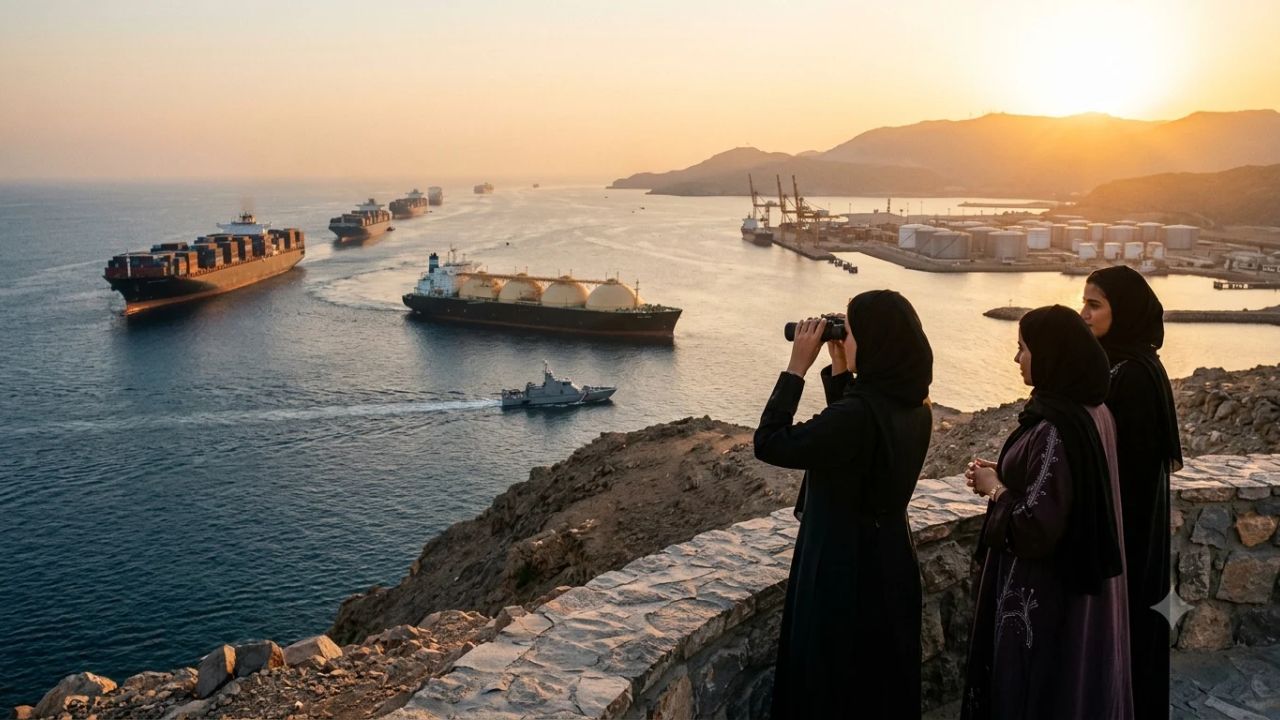
Image generated by AI
Bahrain, the United Arab Emirates, and partner Gulf Cooperation Council (GCC) nations have established a coordinated strategic energy alliance to mitigate surging oil and natural gas prices as escalating maritime tensions in the Strait of Hormuz threaten global supply chains handling 20% of the world's daily petroleum and LNG flows. While the UAE leverages its Habshan–Fujairah bypass pipeline and Saudi Arabia activates the Petroline corridor to Red Sea terminals, member states are coordinating strategic naval escorts, utility reserves, and targeted transport subsidies to safeguard regional transit networks.
The strategic coalition emerges amid intensifying market volatility across the Persian Gulf, where rising war-risk insurance premiums, tanker rerouting, and geopolitical posturing have pushed international crude benchmarks—including Brent and Murban—past primary technical resistance thresholds. Because the Strait of Hormuz represents the world's single most critical energy transit choke point, the GCC alliance is executing an integrated economic and defensive strategy designed to prevent runaway transport inflation, protect airline flight corridors, and ensure uninterrupted maritime fuel distribution.
The Strait of Hormuz Bottleneck: Maritime Risk Premiums and Supply Chain Friction
The Strait of Hormuz functions as the maritime gateway through which roughly 20% of global petroleum consumption and liquefied natural gas (LNG) passes every day. Commercial shipping lanes through the waterway face mounting operational strain:
- Escalating War-Risk Insurance Surcharges: Underwriters have sharply increased additional war-risk premiums for commercial tankers operating within Gulf waters, directly inflating the landed cost of crude oil, aviation fuel, and refined petroleum products.
- Navigation Delays and Speed Reductions: Merchant tankers and container carriers are adjusting cruising speeds, postponing scheduled anchorages, and implementing evasive navigation patterns, introducing significant turnaround lag into regional supply chains.
- Upstream Benchmark Spikes: Speculative volatility has elevated Brent and Murban crude prices, creating immediate downstream pressure on domestic utilities, commercial freight fleets, and civil aviation jet fuel contracts across the Middle East.
Country-by-Country Frameworks: Pricing Mechanisms and Strategic Responses
While the entire Arabian Gulf faces common geopolitical pressures, member nations are responding through distinct domestic fiscal mechanisms and infrastructure configurations:
1. The Kingdom of Bahrain
Operating under a state-stabilized energy framework, Bahrain's government caps domestic retail fuel rates to shield local consumers from global market volatility. However, as an importer of raw industrial materials reliant on maritime cargo, elevated marine freight charges and rising LNG import costs have placed significant fiscal burdens on national utility grids. Bahrain is prioritizing joint naval logistics coordination to protect merchant shipping into Khalifa Bin Salman Port while establishing bilateral natural gas pooling with regional neighbors to ensure continuous industrial power.
2. The United Arab Emirates (UAE)
Having deregulated retail fuel pricing in 2015, the UAE adjusts monthly consumer pump prices (Super 98, Special 95, E-Plus 91, and diesel) in direct correlation with international crude benchmarks. To counter rising retail logistics costs, the UAE is deploying targeted freight subsidies for small and medium-sized enterprise (SME) fleets. Operationally, the UAE is maximizing throughput along the 360-kilometer Habshan–Fujairah crude pipeline, which transports up to 1.5 million barrels per day overland directly to the Gulf of Oman, bypassing the Strait of Hormuz entirely.
3. The Kingdom of Saudi Arabia
Saudi Arabia maintains strict government price caps on domestic retail fuels (Petrol 91 and Petrol 95), absorbing global price spikes at the state balance-sheet level. To protect export continuity, the Kingdom is utilizing the 1,200-kilometer East-West Crude Oil Pipeline (Petroline), rerouting heavy crude shipments from Eastern Province oilfields across the peninsula to King Fahd Industrial Port in Yanbu on the Red Sea. Saudi Arabia is also maintaining active spare production capacity to reassure international commodity exchanges.
4. The Sultanate of Oman
Positioned outside the immediate maritime choke point along the Arabian Sea and Gulf of Oman, Oman operates a hybrid pricing model: basic M91 fuel remains price-capped for eligible citizens, while commercial diesel and premium M95 petrol track international market rates. Omani ports—notably Sohar and Salalah—are serving as primary alternative bunkering hubs and ship-to-ship transfer stations for international carriers seeking to refuel outside the higher-risk insurance zone.
5. The State of Kuwait
Kuwait enforces strict state subsidies on domestic transport fuels through a ministerial review committee, protecting residents from retail price shocks while the state absorbs elevated tanker charter fees and insurance surcharges. Kuwait is contributing naval assets to regional escort operations while expanding strategic domestic stockpiles of refined fuels to guarantee power generation continuity.
6. The State of Qatar
As one of the world's leading exporters of Liquefied Natural Gas, Qatar relies on maritime access for its specialized Q-Max and Q-Flex LNG carriers. QatarEnergy is coordinating transit schedules with international buyers to navigate high-security windows, while maintaining steady natural gas delivery to the UAE and Oman through the subsea Dolphin Gas Project pipeline.
Regional GCC Energy Framework and Response Matrix
The table below contrasts domestic pricing models, vulnerability factors, and primary infrastructure mitigation strategies across the coalition states:
| GCC Member State | Domestic Fuel Pricing Model | Primary Operational Impact | Strategic Infrastructure Mitigation Action | Regional Transit Significance |
|---|---|---|---|---|
| Kingdom of Bahrain | Capped / State-Stabilized | Utility budget pressure, rising marine import freight | Joint naval escort coordination, utility natural gas pooling | Protects consumer retail prices and maritime approaches to Manama |
| United Arab Emirates | Deregulated / Market-Linked | Pump price adjustments across Super 98, 95, and diesel | Habshan–Fujairah overland pipeline, SME logistics subsidies | Bypasses Hormuz choke point directly to Indian Ocean terminal |
| Saudi Arabia | Government Price Capped | State absorption of export insurance and security costs | Petroline East-West pipeline to Yanbu Red Sea terminals | Reroutes major crude volumes to bypass Persian Gulf waters |
| Sultanate of Oman | Hybrid (Capped M91 / Market M95) | Commercial transport cost increases for heavy fleets | Leveraging deepwater ports at Sohar and Salalah | Serves as secure bunkering and cargo transshipment alternative |
| State of Kuwait | State-Subsidized Pricing | Elevated charter rates and war-risk insurance surcharges | Joint fleet escort protocols, strategic refining reserves | Secures vital tanker lanes exiting northern Gulf waters |
| State of Qatar | State-Capped Formula | LNG vessel scheduling friction and transit monitoring | Deployment of Q-Max carriers, Dolphin subsea pipeline | Guarantees regional natural gas supplies to partner grids |
The Four-Pillar Joint Energy Stabilization Strategy
To establish an enduring buffer against geopolitical shocks, the coalition between Bahrain, the UAE, and GCC allies is executing a comprehensive four-part stabilization program:
1. Infrastructure Routing and Transit Diversion
The alliance is prioritizing overland pipeline networks—specifically the Habshan–Fujairah line in the UAE and the Petroline corridor in Saudi Arabia—to redirect export volumes away from maritime danger zones directly to open-ocean terminals on the Gulf of Oman and Red Sea. Simultaneously, non-essential bulk cargo is being shifted to secondary deepwater ports located outside the Strait.
2. Supply Chain Security and Maritime Safety
Regional naval forces and maritime security centers are synchronizing escort protocols for commercial energy tankers and cargo vessels along designated international navigation corridors. Real-time intelligence sharing links civil aviation authorities, maritime monitoring centers, and commercial port operators to provide early warnings of potential navigational hazards.
3. Economic Mitigation and Inflation Controls
Member governments are deploying targeted fiscal relief for domestic transport fleets, agricultural haulers, and supply-chain distributors to prevent energy surcharges from triggering broader consumer price inflation. In parallel, national emergency fuel reserves are being synchronized across borders to prevent localized inventory shortfalls.
4. International Market Engagement and Policy Alignment
Coordinated communications from GCC energy ministries are dampening speculative panic across global commodity exchanges. Through diplomatic channels, regional leaders are engaging international maritime organizations to secure transit corridors and advance diplomatic de-escalation initiatives.
Traveler Logistics Guide: Airspace Routing, Airport Hubs, and Overland Border Crossings
International travelers transiting the Arabian Gulf during periods of regional maritime friction should account for specific aviation and overland logistics considerations:
- Commercial Aviation Corridors and Overflights: Civil aviation authorities—including the UAE General Civil Aviation Authority (GCAA) and Bahrain Civil Aviation Affairs (BCAA)—routinely coordinate flight paths with international safety regulators (FAA, EASA). Long-haul flights transiting major global hubs—Dubai International (DXB), Abu Dhabi Zayed International (AUH), Hamad International in Doha (DOH), and Bahrain International (BAH)—continue normal flight operations by utilizing southern continental flight corridors across central Saudi Arabia and Oman, steering clear of active maritime exercise zones.
- Airline Ticket Pricing and Fuel Surcharges: While state-subsidized retail fuel protects domestic ground transport in Saudi Arabia, Bahrain, and Qatar, international air carriers adjust long-haul ticket pricing based on global jet fuel benchmarks (Jet A-1). Travelers booking upcoming holiday or business trips should secure reservations in advance to insulate itineraries against airline fuel surcharge revisions.
- Cruise Line Itinerary Modifications: Winter cruise operators sailing the Persian Gulf (including MSC Cruises, Costa, and TUI) closely track maritime security advisories. In the event of heightened naval activity in the Strait of Hormuz, cruise lines adjust port schedules, substituting northern Gulf calls with ports situated along the Gulf of Oman, such as Muscat, Salalah, or Khasab.
- Overland King Fahd Causeway Transit: The 25-kilometer King Fahd Causeway connecting Bahrain with Saudi Arabia's Eastern Province provides an essential overland artery. Commercial and passenger traffic across the causeway operates continuously. Travelers driving between Manama and Dammam/Al Khobar should utilize the automated "Jesr" mobile application for pre-paid bridge tolls and digital vehicle insurance, ensuring fast-track clearance through border customs booths.
- UAE–Oman Road Border Crossings: The Hatta–Al Wajajah overland border post between Dubai and Oman remains an efficient vehicular crossing for tourists exploring the Musandam Peninsula or Muscat. Verify that rental vehicles possess valid Oman insurance coverage (Orange Card) before departing UAE territory.
Long-Term Outlook: Building Structural Supply Chain Resilience
The collaborative intervention by Bahrain, the UAE, and GCC partners demonstrates that coordinated infrastructure diversification and defense alignment serve as effective tools against geopolitical volatility. By utilizing overland pipeline bypasses, synchronizing emergency energy stockpiles, and protecting commercial shipping corridors, the Gulf alliance safeguards both regional economic stability and the vital transit networks that power international travel and commerce.
FAQ: Strait of Hormuz Tensions and Gulf Energy Stabilization
Why is the Strait of Hormuz critical to global energy and travel?
The Strait of Hormuz handles roughly 20% of the world's daily petroleum and LNG supplies, making it the most critical energy bottleneck globally. Any disruption directly impacts crude benchmarks, airline jet fuel costs, and global shipping fees.
How are the UAE and Saudi Arabia bypassing the Strait of Hormuz?
The UAE utilizes the Habshan–Fujairah pipeline to pump crude overland directly to the Gulf of Oman, while Saudi Arabia operates the Petroline (East-West Pipeline) to transport crude to Yanbu terminals on the Red Sea.
Are flight operations at Dubai, Doha, and Bahrain airports disrupted?
No. Commercial flight operations at major Gulf airport hubs continue on schedule. Regional civil aviation authorities route long-haul flights across secure inland airspace corridors over Saudi Arabia and Oman.
How does fuel pricing differ between the UAE and Bahrain?
The UAE operates a deregulated market-linked model where monthly retail fuel prices reflect global crude benchmarks, whereas Bahrain maintains a government-capped and subsidized fuel framework that insulates domestic consumer pump prices.
Related Travel Guides
Gulf Aviation Crisis: Over 320 Cancellations and 2,270 Delays Disrupt Riyadh, Dubai, and Cairo Hubs
The 10 Best Transit Hubs and Layover Lounges in the Arabian Gulf, According to Reddit
Disclaimer
This article is for informational and educational purposes only. It does not constitute legal, financial, or professional advice. While we strive to provide accurate and up-to-date information, travel policies, regulations, and conditions change rapidly. Always verify information with official sources before making travel decisions. Nomad Lawyer makes no representations about the accuracy, reliability, completeness, or suitability of the information provided. Readers should consult qualified professionals for advice specific to their circumstances. The views expressed in this article are those of the author and do not necessarily reflect the views of Nomad Lawyer.
Kunal K Choudhary
Co-Founder & Contributor
A passionate traveller and tech enthusiast. Kunal contributes to the vision and growth of Nomad Lawyer, bringing fresh perspectives and driving the community forward.
Learn more about our team →