
New Zealand Cities Pivot to Regenerative Tourism: Christchurch and Wellington Lead 2026 Sustainability Investments
New Zealand is transitioning from mass tourism to a regenerative model in 2026, with Christchurch, Wellington, and Queenstown investing in community-led and eco-conscious infrastructure.

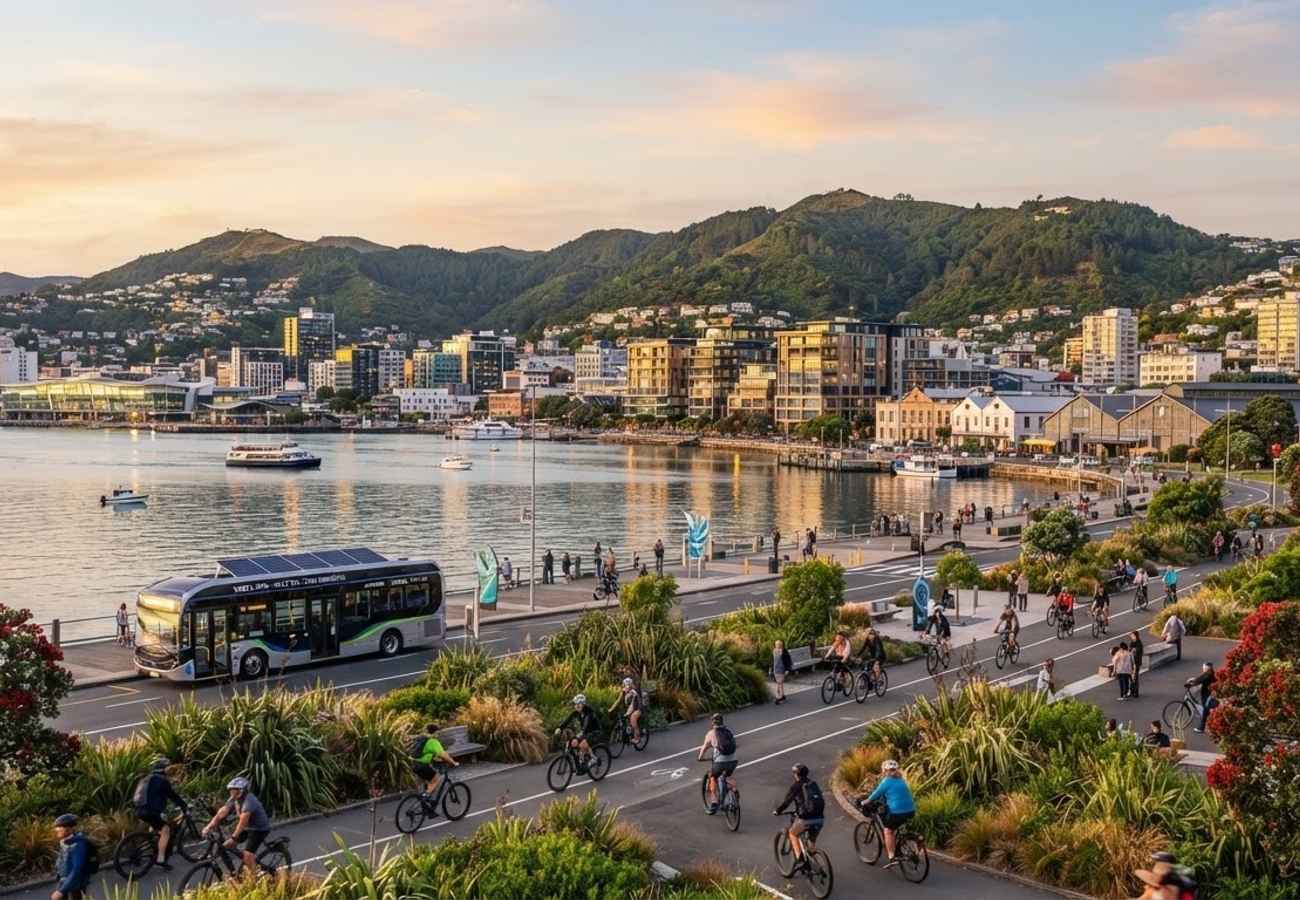
Image generated by AI
New Zealand is abandoning traditional growth metrics in favor of a regenerative tourism model, prioritizing environmental restoration and community benefit over raw visitor volume.
The national tourism strategy for 2026 marks a systemic shift in how the country manages its borders and destinations. Rather than focusing on increasing passenger counts, cities including Christchurch, Wellington, and Queenstown are deploying capital into infrastructure that actively improves the landscapes and social fabrics they rely on.
This transition is codified under the New Zealand Tourism Policy Statement, which mandates that visitor growth must align strictly with destination capacity and infrastructure resilience.
Regional Investment Strategies for Responsible Travel
The movement is not monolithic; different regions are applying regenerative principles to their specific geographic and cultural strengths.
- Queenstown: Shifting from high-volume adventure tourism to a "visitor value" model. Investments are targeting low-impact adventure gear, eco-accommodation, and sustainable transport to protect fragile alpine ecosystems.
- Auckland: Focusing on its role as the primary international gateway. The city is prioritizing low-carbon urban mobility and the expansion of iwi-led (tribal) tourism to integrate Māori culture into the urban visitor experience.
- Christchurch: Positioning itself as a hub for green urbanism. The city is expanding its cycling networks and renewable energy initiatives to move beyond being a mere transit point for the South Island.
- Rotorua: Leading the shift toward indigenous-led tourism. The model focuses on geothermal conservation and community-owned businesses that prioritize cultural preservation over commercial exploitation.
2026 Responsible Tourism Framework by City
Our analysis of the current investment landscape reveals a diversified approach to sustainability across New Zealand's major hubs.
| City / Region | Responsible Tourism Focus | Major 2026 Investment Areas | Key Sustainability Actions | Traveler Impact |
|---|---|---|---|---|
| Queenstown | Regenerative & Nature Protection | Sustainable transport, eco-accommodation | Reducing pressure on alpine landscapes | Premier for responsible adventure & wellness |
| Auckland | Sustainable Urban & Māori Culture | Public transport, waterfront regeneration | Low-carbon mobility, iwi-led tourism | Urban sustainability meets cultural depth |
| Christchurch | Green City & Climate Resilience | Cycling tourism, sustainable infrastructure | Expanding cycling networks, renewable energy | Ideal for eco-conscious city breaks |
| Wellington | Cultural & Creative Sustainability | Public transport, conservation partnerships | Protecting natural reserves, supporting creators | Hub for museums and nature integration |
| Rotorua | Māori-led & Geothermal Conservation | Indigenous tourism, geothermal protection | Community-owned models, cultural education | Authentic, indigenous-led experiences |
| Dunedin | Wildlife & Heritage Conservation | Eco-wildlife experiences, coastal conservation | Protecting marine ecosystems | Slower travel and wildlife encounters |
| Nelson | Nature-based & Conservation | National park access, cycling routes | Supporting biodiversity and local producers | Hub for sustainable food and hiking |
| Hamilton | River Restoration & Regional Tourism | Waikato River experiences, local food | Connecting tourism with river restoration | Family-friendly nature destinations |
Why This Matters: The Industry Implication
From a logistical and market perspective, this shift represents a move toward "High-Value, Low-Impact" travel. For the aviation and hospitality sectors, this means a projected decline in the viability of mass-market tour packages and a surge in demand for boutique, specialized itineraries.
For travelers on these routes, the real impact is a change in accessibility and pricing. As cities like Queenstown move away from measuring success by visitor numbers, we can expect more stringent visitor management systems—potentially including permits or tiered pricing—to prevent the degradation of "fragile" zones.
From a professional standpoint, the integration of Māori-led tourism is no longer a niche offering but a core economic driver. By shifting ownership to community-led models in Rotorua and Auckland, New Zealand is creating a more resilient tourism economy that is less susceptible to the volatility of international corporate tour operators.
Forward Outlook
The success of this regenerative pivot depends on the ability of the New Zealand Tourism Sustainability Commitment to move from policy to practice. We expect to see the following trends emerge by late 2026:
- Decentralization of Traffic: Increased investment in secondary hubs like Hamilton and Nelson to divert pressure from "over-tourism" hotspots.
- Transport Evolution: A mandatory shift toward electric and low-carbon transit for all registered tour operators in urban centers.
- Value-Based Metrics: A transition in government reporting from "Total Arrivals" to "Net Positive Impact" per visitor.
New Zealand is effectively beta-testing a global blueprint for how a developed nation can decouple tourism revenue from environmental degradation.
Related Travel Guides
Disclaimer
This article is for informational and educational purposes only. It does not constitute legal, financial, or professional advice. While we strive to provide accurate and up-to-date information, travel policies, regulations, and conditions change rapidly. Always verify information with official sources before making travel decisions. Nomad Lawyer makes no representations about the accuracy, reliability, completeness, or suitability of the information provided. Readers should consult qualified professionals for advice specific to their circumstances. The views expressed in this article are those of the author and do not necessarily reflect the views of Nomad Lawyer.
Kunal K Choudhary
Co-Founder & Contributor
A passionate traveller and tech enthusiast. Kunal contributes to the vision and growth of Nomad Lawyer, bringing fresh perspectives and driving the community forward.
Learn more about our team →