Indonesia Shifts to High-Value Regenerative Tourism Model to Protect Ecosystems in 2026


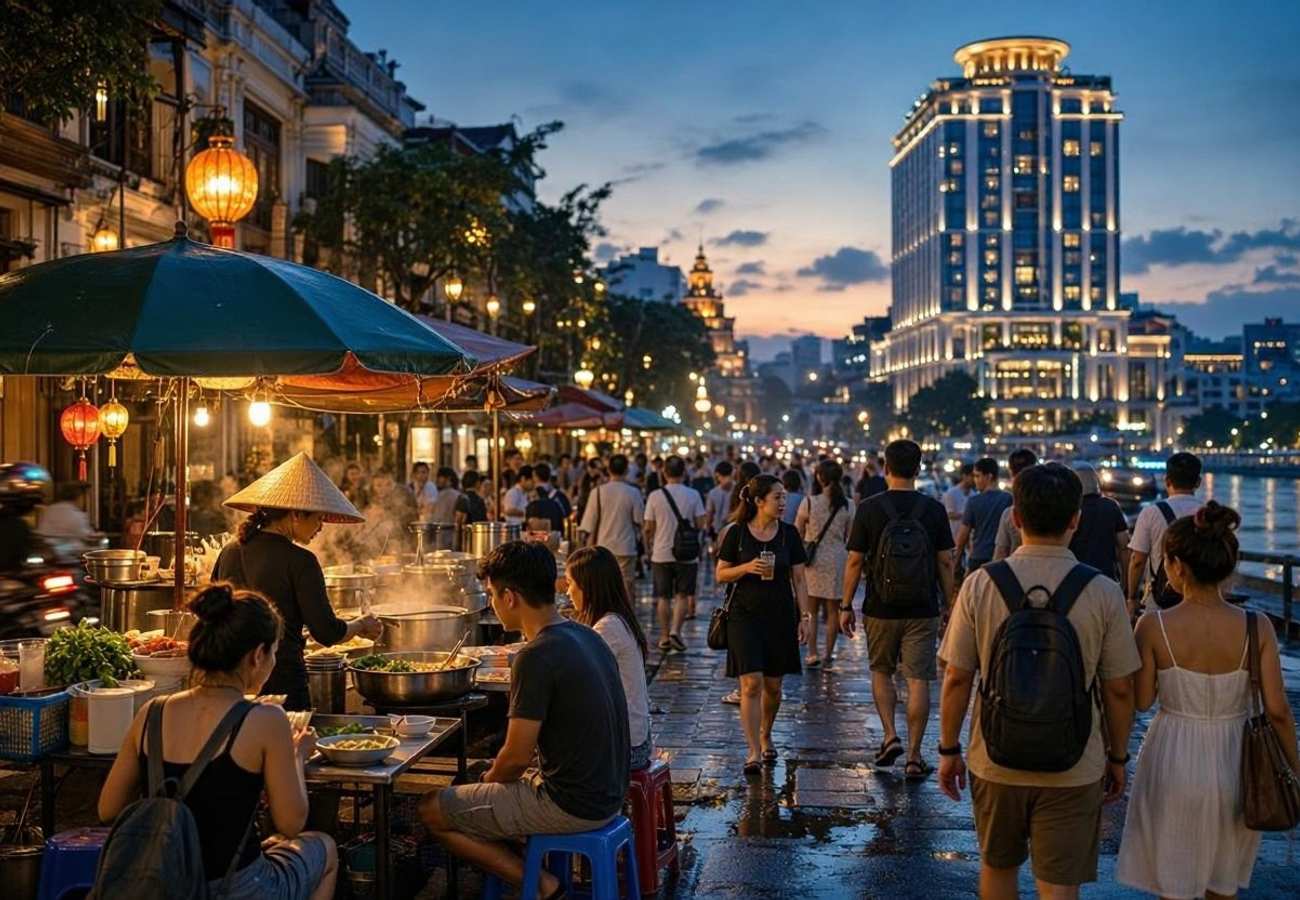
Image generated by AI
[Jakarta, November 4, 2026] — Indonesia is officially abandoning the mass-tourism growth model in favor of a "regenerative" economic blueprint that prioritizes ecological healing and high-margin revenue over total visitor numbers. The shift aims to decouple economic growth from environmental degradation by targeting premium-tier travelers who contribute more per visit, allowing the state to fund critical restoration projects.
The new strategy moves away from maximizing headcounts, instead utilizing high average daily rates (ADRs) and premium experiential ticketing to generate capital. These funds are directly reinvested into community infrastructure and the restoration of fragile volcanic and marine ecosystems. This model is being spearheaded by the Ministry of Tourism Republic of Indonesia, signaling a global shift toward treating natural capital as the primary driver of commercial profitability.
The Economic Engine of Regeneration
The transition relies on a "high-value" financial architecture. By restricting volume and increasing the cost of entry for specific experiences, Indonesia is creating a sustainable funding loop. This approach ensures that luxury travel directly subsidizes the protection of the environment.
According to destination management data, this pivot protects the nation from the unpredictable seasonal spikes associated with budget tourism and instead creates a stable, managed financial pillar. Global investors are increasingly targeting these ventures, as responsible resource administration is now linked to higher long-term asset values in the hospitality sector.
Regional Impact and Growth Metrics
The regenerative model is already producing measurable results across several key territories. In Danau Toba, reforestation and agroforestry have revitalized the region, while Lombok has seen a surge in visitors due to strict land preservation and clean transport.
Tourism Performance and Ecological Gains (2026)
| Region | Visitor Growth | Primary Driver | Key Ecological Outcome |
|---|---|---|---|
| Danau Toba | >100% (Domestic) | Reforestation & Batak Culture | Restored soil health & watershed stability |
| Lombok & Gili Tramena | 75% | Zero-emission transport networks | Prevention of commercial sprawl |
| Kepulauan Riau | High-End/Elite | Blue Economy/Yachting | Subsidized marine conservation areas |
| Eastern Coastal Zones | N/A | Reef-star technology | 85% coral survival rate (24 months) |
Marine Recovery and Biodiversity
In eastern Indonesia, community-led initiatives are utilizing "reef-star" technology to rebuild degraded ocean floors. These projects are not merely aesthetic; they are functional biological recoveries managed by local residents in coordination with marine scientists.
The data indicates a 40% increase in local fish biomass following these interventions. This resurgence has directly boosted diving tourism revenue through 2026, as eco-conscious divers seek out restored coral gardens. These efforts are often aligned with standards set by the Global Coral Reef Monitoring Network, ensuring scientific rigor in biodiversity recovery.
Decarbonizing the Hospitality Sector
Indonesia is aggressively phasing out diesel generators in favor of decentralized solar microgrids and smart energy storage. This transition is particularly critical for remote archipelagos where transporting fossil fuels is both costly and hazardous.
The financial and environmental impact of this shift is significant:
- Carbon Reduction: Pilot properties reported a 58% drop in carbon emissions by 2026.
- Cost Savings: Participating resorts saved over $4.2 million in operational energy expenses.
- Infrastructure: Integration of tropical-climate solar grids has reduced reliance on volatile global fuel prices.
What This Means for Travelers
For the average traveler, the "Regenerative Revolution" changes the logistics and cost of visiting Indonesia. The era of unrestricted, low-cost mass access to fragile sites is ending.
Passenger and Visitor Impact:
- Higher Costs: Expect increased pricing for permits, boutique lodging, and "experiential" tours.
- Stricter Regulations: Visitors to regions like Lombok and Kepulauan Riau will encounter stricter rules regarding land use and waste.
- Zero-Waste Requirements: Many island destinations are enforcing a total ban on single-use plastics; travelers must bring reusable alternatives.
- New Experiences: Travelers can now engage in "active healing," such as participating in reforestation or coral planting, rather than passive sightseeing.
The Path to Net-Zero
The final pillar of the strategy is the implementation of a circular economy. Municipal governments are establishing material recovery facilities and composting hubs to eliminate visitor-generated waste. Hotels and tour operators are now legally required to adopt reusable packaging and circular waste management systems to maintain their operating licenses.
As the World Tourism Organization (UN Tourism) continues to track global sustainability trends, Indonesia's model serves as a test case for whether a nation can maintain high GDP growth while actively shrinking its environmental footprint.
FAQ: Indonesia Regenerative Travel 2026
Will it be more expensive to visit Indonesia in 2026? Yes. The shift to a high-value model means higher average daily rates (ADRs) and premium ticketing for many ecological sites to fund restoration efforts.
What happens to single-use plastics in tourist zones? Strict zero-waste policies are now in effect across many islands. Single-use plastics are being eliminated, and visitors are expected to use reusable packaging.
How is the "regenerative" part different from "sustainable" travel? Sustainable travel aims to minimize harm (do no harm), whereas regenerative tourism actively seeks to improve and heal the environment (leave it better than you found it).
Which regions are seeing the most change? Danau Toba, Lombok, Gili Tramena, and Kepulauan Riau are the primary hubs for these new ecological and financial frameworks.
The era of the passive tourist is over; the era of the restorative traveler has begun.
Related Travel Guides
This article is for informational purposes. Flight routes, passenger regulations, visa rules, and transit advisories are subject to change by airlines and aviation authorities. Readers are advised to verify schedules and travel documentation with relevant carriers and border agencies before departure.
Related Stories

Visit Seattle Launches 'There’s Never Been More to SEA' Local Tourism Campaign for 2026-2027
Vietnam and Thailand Budget Travel Costs Surge as Overtourism Drives 2026 Price Hikes