Banjul Claims Top Winter Sun Travel Spot for 2026: The Gambia's US$770 Holiday Advantage, 8.5 Hours of Daily Sunshine, and Africa's Coastal Boom

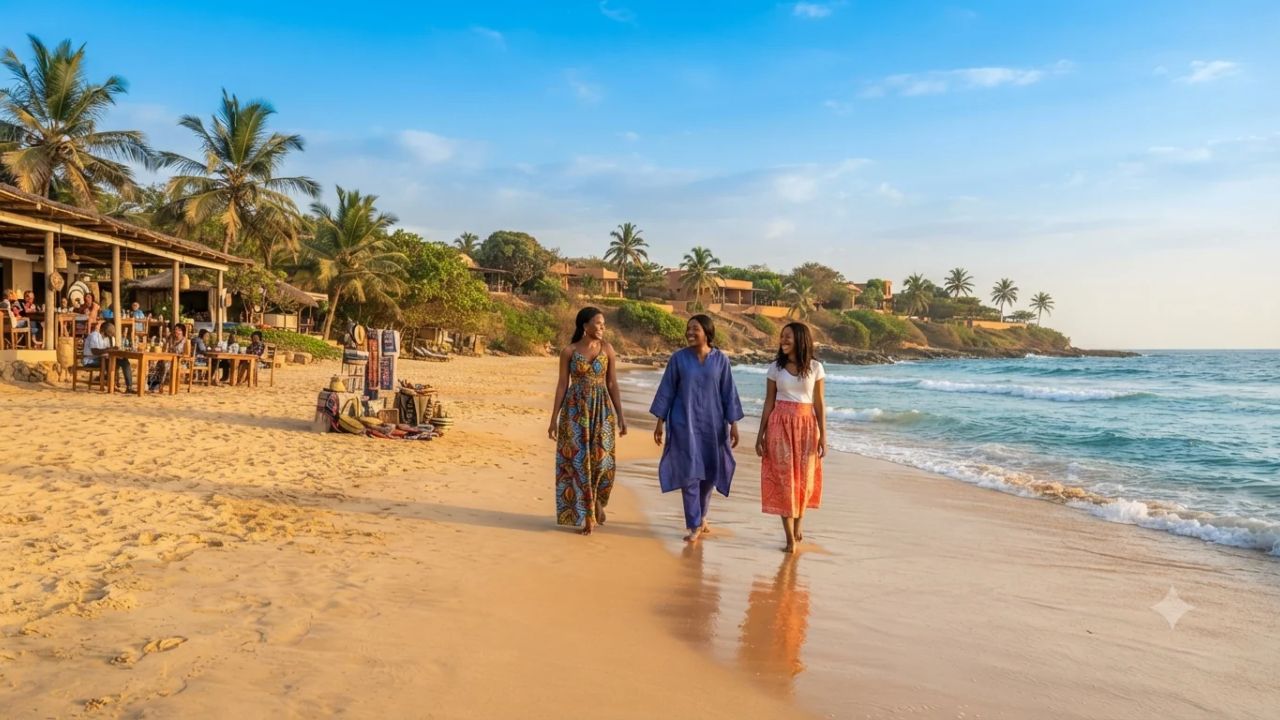
Banjul has captured the top global ranking as the premier winter sun destination for 2026, driven by an unbeatable combination of 8.5 hours of dependable daily sunshine, an average seven-day holiday budget of just US$770, and zero time difference for European travellers seeking refuge from Northern Hemisphere cold.
The capital of The Gambia—affectionately known across West Africa as "The Smiling Coast"—is outpacing traditional Mediterranean and Caribbean winter sun resorts in international holiday assessments. As flight accessibility expands and consumer search behaviour pivots sharply toward authentic, affordable, and warm-weather alternatives between December and February, Banjul is drawing intense interest from holidaymakers in the United Kingdom, Central Europe, the Americas, and across the African continent.
While classic winter retreats such as Mykonos face cold seasonal shutdowns and Caribbean islands like Barbados and the Bahamas command exorbitant peak-season resort tariffs exceeding US$1,600 to US$2,000 per week, Banjul provides an accessible, culturally rich Atlantic escape. From the golden shores of Cape Point and Kotu Beach to the vibrant food stalls of Albert Market and biodiversity-rich excursions along the meandering River Gambia, the West African hub is redefining what modern value-driven winter tourism looks like.
BANJUL WINTER SUN 2026: CORE PERFORMANCE BENCHMARKS
| Category / Entity | Details / Impact |
|---|---|
| Global Winter Sun Ranking | #1 Leading International Winter Sun Travel Spot (2026) |
| Daily Sunshine Average | ~8.5 Hours of Continuous Sun (December to February) |
| Seasonal Climate | Sub-Saharan Tropical Dry Season (November through May) |
| 7-Day Mid-Range Holiday Cost | ~US$770 (vs. US$2,000 Mykonos / US$1,600 Nassau, Bahamas) |
| Time Zone Advantage | Greenwich Mean Time (GMT+0) - Zero Jet Lag for British Travellers |
| Primary Gateway | Banjul International Airport (Yundum - BJL) |
| Official Language | English (Frictionless Communication for Global Tourists) |
The 2026 Winter Sun Ranking: Why Banjul Took the Global Crown
The ascension of Banjul to the summit of global winter sun rankings reflects a fundamental structural realignment in international travel habits. For decades, winter leisure travel was dominated by a handful of geographic monopolies: Southern Europe's Canary Islands, Egypt’s Red Sea Riviera, Dubai’s luxury enclaves, and Caribbean island states. However, escalating airfares, hotel room price inflation, and shifting consumer appetites for less commercialized destinations have opened a historic window of opportunity for West Africa.
The comprehensive 2026 winter destination evaluation weighed several quantifiable criteria to determine its rankings:
- Climatic Reliability: The total volume of daily sunshine, mean daytime temperatures, and statistical probability of precipitation during the peak northern winter months (December to February).
- Comparative Purchasing Power: The aggregate cost of a standard seven-day holiday, incorporating mid-range accommodation, three daily meals, local ground transport, and primary sightseeing admissions.
- Language and Navigational Ease: The ease of on-ground communication, official language alignment, and local tourist support infrastructure.
- Cultural Distinctiveness: The availability of immersive community interactions, authentic regional gastronomy, and nature conservation activities outside of enclosed resort compounds.
Global Winter Sun Destination Scoring Matrix (2026 Evaluation):
=============================================================================
Destination       Daily Sun (Hrs)   Avg 7-Day Cost (USD)   Winter Rain Risk   Overall Rank
-----------------------------------------------------------------------------
Banjul, Gambia        8.5 hrs            $770                  Near Zero          #1
Mombasa, Kenya        8.0 hrs            $980                  Low                #2
Zanzibar, Tanzania    7.8 hrs           $1,350                 Moderate           #3
Phuket, Thailand      8.1 hrs           $1,100                 Low                #4
Barbados              7.9 hrs           $1,850                 Low                #5
Mykonos, Greece       5.2 hrs           $2,000                 High (Off-Season)  #18
=============================================================================
Banjul secured the top spot because it achieved near-perfect scores across climate reliability and cost competitiveness. While many Mediterranean islands see winter temperatures plunge to 12°C with shuttered hotels, and Caribbean destinations require thousands of dollars in baseline spending, Banjul delivers guaranteed 30°C coastal warmth and Atlantic breezes at a fraction of the price.
Meteorological Superiority: Unpacking The Gambia's Dry Season Advantage
Weather is the non-negotiable prerequisite of any winter holiday. Between December and February, vast expanses of northern Europe and North America endure freezing temperatures, relentless rain, and as few as two to three hours of weak, overcast daylight. In stark contrast, The Gambia operates on a tropical climate dictated by two distinct annual phases: the wet season (June to October) and the dry season (November to May).
The core winter months coincide with the absolute peak of the dry season, creating ideal meteorological conditions for outdoor exploration and coastal leisure:
Climatic Profile: Banjul Winter Months (December - February)
+-----------------------------------------------------------------------------+
|  Average Daytime Temperature  | 30°C to 32°C (86°F to 90°F)                 |
|  Average Nighttime Temperature| 16°C to 18°C (61°F to 64°F - Cool & Crisp)  |
|  Daily Sunshine Duration      | ~8.5 Hours of Clear Blue Skies              |
|  Monthly Precipitation        | < 1.0 Millimetre (Virtually Zero Rainfall)  |
|  Relative Humidity            | 45% to 55% (Pleasantly Dry, Low Heat Index) |
|  Atlantic Ocean Sea Temp      | 23°C to 25°C (Ideal for Ocean Swimming)     |
+-----------------------------------------------------------------------------+
The Harmattan Influence
A fascinating aspect of The Gambia's winter climate is the gentle influence of the Harmattan—a dry, northeasterly trade wind that blows from the Sahara Desert across West Africa. While the Harmattan can occasionally bring a faint desert haze, it plays a vital role in suppressing atmospheric humidity. Unlike the oppressive tropical humidity experienced in equatorial Southeast Asia or the Caribbean during their rainy spells, winter in Banjul is characterized by warm, golden afternoons tempered by refreshing Atlantic sea breezes and comfortable, jacket-friendly evenings.
Zero Rain Disruption
For international travellers spending hard-earned holiday savings, the certainty of dry weather is invaluable. During the entire three-month winter corridor, historical meteorological data confirms an average of zero rainy days per month in Banjul. Tour operators can schedule open-air boat expeditions, birdwatching walks, and beach dinners with absolute confidence that excursions will not be washed out by sudden downpours.
Economic Analysis: The US$770 Holiday Versus Traditional Winter Escapes
In an era of rising global travel costs, The Gambia's extraordinary value proposition stands out as its greatest commercial advantage. Independent cost-of-living and travel expenditure audits reveal that a week-long, mid-range holiday in Banjul costs approximately US$770 per person, covering accommodation, dining, transport, and leisure activities.
Seven-Day Mid-Range Holiday Budget Breakdown (USD):
$2,500 +--------------------------------------------------------------------+
       |                                               [$2,000]             |
$2,000 +------------------------------------------------- Mykonos ----------+
       |                               [$1,600]                             |
$1,500 +------------------------------- Nassau ------------------------------+
       |               [$1,100]                                             |
$1,000 +---------------- Phuket --------------------------------------------+
       |   [$770]                                                           |
  $500 +--- Banjul ---------------------------------------------------------+
       |                                                                    |
    $0 +-----+-------------+--------------+---------------+-----------------+
           Banjul        Phuket         Nassau         Mykonos
| Budget Category (7 Days / Per Person) | Banjul, The Gambia | Mykonos, Greece | Nassau, Bahamas | Phuket, Thailand |
|---|---|---|---|---|
| Mid-Range Accommodation (3-4 Star) | US$320 (US$45/night) | US$850 (US$121/night) | US$950 (US$135/night) | US$450 (US$64/night) |
| Daily Meals & Refreshments | US$175 (US$25/day) | US$560 (US$80/day) | US$420 (US$60/day) | US$240 (US$34/day) |
| Local Ground Transportation / Taxis | US$75 (US$10/day) | US$210 (US$30/day) | US$140 (US$20/day) | US$110 (US$15/day) |
| Guided Tours & Cultural Admissions | US$120 | US$230 | US$180 | US$160 |
| Miscellaneous & Beach Leisure | US$80 | US$150 | US$110 | US$140 |
| TOTAL ESTIMATED 7-DAY SPEND | US$770 | US$2,000 | US$1,800 | US$1,100 |
Breaking Down the Cost Advantage
The economic disparities between Banjul and established destinations are dramatic:
- Dining and Gastronomy: A hearty, authentic three-course dinner featuring freshly caught Atlantic barracuda, Gambian peanut stew (domoda), and local seasonal fruits at a quality neighbourhood restaurant in Banjul costs between US$8 and US$14 per person. A comparable meal in Nassau or Mykonos routinely exceeds US$50 to US$75.
- Boutique Coastal Lodging: Independent beach resorts, eco-lodges, and family-run guest houses along the Kololi, Kotu, and Cape Point strips offer comfortable air-conditioned rooms, swimming pools, and oceanfront access for US$40 to US$65 per night, complete with freshly prepared breakfasts.
- Local Transport: Private hire of a dedicated tourist taxi for a full day of sightseeing across the Banjul peninsula rarely costs more than US$30 to US$45, allowing budget-conscious travellers to explore historical sites without financial strain.
This affordability does not come at the expense of safety or hygiene. Rather, it reflects the favourable exchange rate of the Gambian Dalasi (GMD) against the British Pound, Euro, and US Dollar, empowering international visitors to experience exceptional hospitality while keeping holiday expenses modest.
Coastal Geography: Golden Beaches, River Estuaries, and Atlantic Ocean Escapes
The geographical positioning of Banjul is unique among West African capitals. Located on St. Mary's Island where the mouth of the mighty Gambia River discharges into the Atlantic Ocean, Banjul is connected to the mainland via Denton Bridge to the west and vehicle ferries crossing the estuary to Barra in the north.
Coastal Tourism Geography: The Greater Banjul Strip
+-----------------------------------------------------------------------------+
|  [Banjul Port & Island Core]  --> Historic Architecture, National Museum    |
|               │                                                             |
|               ▼ (Denton Bridge Connection)                                  |
|  [Cape Point Beach]           --> Golden sand, craft markets, calm waters   |
|               │                                                             |
|               ▼                                                             |
|  [Bakau & Fajara Cliffs]      --> Scenic seafood dining, crocodile pool     |
|               │                                                             |
|               ▼                                                             |
|  [Kotu & Kololi Coast]        --> Primary resort strip, eco-bird sanctuaries|
|               │                                                             |
|               ▼                                                             |
|  [Brufut & Tanji Village]     --> Artisanal fish smoking, Atlantic sunsets  |
+-----------------------------------------------------------------------------+
Cape Point Beach
Situated just northwest of the urban core, Cape Point Beach is celebrated for its sweeping arc of fine golden sand, gently sloping seabed, and tranquil waters. Because it sits tucked behind the coastal promontory where the river meets the ocean, wave action is milder than on the open Atlantic coast, making it particularly suitable for leisurely swimming, paddleboarding, and family beach outings. Local fruit sellers, artisan juice bars, and woodcarving stalls dot the perimeter, offering travellers authentic hospitality under swaying coconut palms.
Kotu and Kololi Beach Corridors
Heading south along the Atlantic coastline, the contiguous beaches of Kotu and Kololi form the heartbeat of The Gambia’s coastal leisure sector. Kotu Beach is famed for its wide, expansive shoreline flanked by mangrove-lined creeks that attract international ornithologists and nature photographers. Kololi, home to the lively "Senegambia Strip," combines beachfront relaxation with an energetic collection of evening restaurants, live music venues, and open-air bars where local kora players and acoustic bands perform nightly.
Tanji Fishing Village and Sunset Escapes
A short drive south of the capital lies the coastal fishing hub of Tanji. While not a conventional sunbathing beach, Tanji offers an unforgettable cultural and photographic spectacle every afternoon. As hundreds of colourful wooden pirogues battle the Atlantic surf to deliver their daily catch of bonga fish, sea bream, and mackerel, the beach transforms into a hive of activity where fish is traded, cleaned, and carried to historic beachside smokehouses. Watching the sunset behind the bobbing fleet while smoke drifts across the dunes provides a deeply moving window into West African maritime heritage.
Cultural Immersion: Gastronomy, Craft Markets, and Heritage Trails
A major critique of traditional package holidays in the Mediterranean or Caribbean is their sterile isolation; tourists often spend an entire week inside an all-inclusive compound without speaking to a local resident or sampling native cuisine. In Banjul, the destination’s greatest asset is its warmth, accessibility, and vibrant cultural life.
AUTHENTIC GAMBIAN CULTURAL HIGHLIGHTS
| Category / Entity | Details / Impact |
|---|---|
| Signature Gastronomy | Domoda (Peanut Stew), Benachin (One-Pot Rice), |
| Okra & Palm Oil Stew, Fresh Tapalapa Bread | |
| Artisanal Commerce | Albert Market (Banjul), Brikama Craft Village |
| Living Traditions | Griot Oral Histories, Kora Harp Performances |
| Heritage Landmarks | Arch 22, National Museum, Old Colonial Quarter |
| Sacred Sanctuaries | Kachikally Crocodile Pool (Bakau Spiritual Healing) |
The Culinary Landscape: West African Flavours
Gambian gastronomy is rooted in fresh seafood, rich groundnut sauces, and locally harvested root vegetables. Travellers to Banjul should make a point of discovering the country’s beloved national dishes:
- Domoda: Considered the culinary crown of The Gambia, domoda is a rich, savoury groundnut (peanut) stew simmered with beef, chicken, or freshly caught sea bass, combined with pumpkin, sweet potato, and bitter tomatoes, served over a bed of fluffy jasmine rice.
- Benachin: The Gambian progenitor of the world-famous Jollof rice, benachin literally translates to "one pot" in the Wolof language. It is cooked with rich tomato puree, onions, cabbage, cassava, and whole spiced fish, creating a deeply aromatic, caramelized rice dish.
- Tapalapa Bread: Baked fresh every morning in traditional wood-fired brick ovens by local Guinean and Gambian bakers, tapalapa is a crusty, baguette-like bread made with wheat and cowpea flour. Eaten hot with spicy bean stew, local butter, or hard-boiled eggs, it is the quintessential Gambian street breakfast.
Albert Market: A Feast for the Senses
Established in the mid-nineteenth century, Albert Market on Russell Street is Banjul’s active commercial epicentre. Wandering through its labyrinthine alleys, visitors encounter three distinct shopping zones: the wholesale food market filled with mounds of fiery Scotch bonnet peppers, dried hibiscus flowers (used to brew sweet wonjo juice), and smoked fish; the vibrant textile quarter where tailors stitch custom dresses from colourful wax-print Hollandais and batik fabrics; and the woodcraft bazaar showcasing hand-carved mahogany djembe drums, ceremonial masks, and woven straw baskets.
Sacred and Historical Sanctuaries
Within easy reach of the capital, cultural heritage sites offer deep historical perspective. Arch 22, an impressive 35-metre commemorative gateway towering over Independence Drive, provides panoramic views across the island capital and houses an informative gallery dedicated to national political history. Meanwhile, in nearby Bakau, the sacred Kachikally Crocodile Pool allows visitors to observe dozens of docile Nile crocodiles basking in botanical gardens, revered by local communities for centuries as a sacred site of spiritual blessing and fertility.
Ecotourism and Biodiversity: River Expeditions and Avian Wonders
Beyond the coastline, The Gambia’s geographic shape—hugging the fertile banks of the Gambia River for over 400 kilometres—makes it one of the premier ecotourism and birdwatching destinations on earth. Despite covering an area of just 11,000 square kilometres, The Gambia is home to more than 560 recorded bird species, concentrated in easily accessible national reserves surrounding Banjul.
TOP ECOTOURISM & WILDLIFE SANCTUARIES
| Entity / Route | Metrics | Operational Status |
|---|---|---|
| Reserve Name | Ecological Habitat | Signature Wildlife Species |
| Abuko Nature Reserve | Gallery rainforest, savannah woodland | Red colobus monkeys, |
| and freshwater pools | crocodiles, giant kingfishers | |
| Tanji Bird Reserve | Coastal lagoons, mangroves, sand dunes | Osprey, Caspian terns, |
| and marine barrier islands | white-fronted plovers | |
| River Gambia Mangrove Creeks | Brackish river bolons, dense rhizophora | Goliath herons, African |
| (Lamin Lodge & Oyster Creek) | mangrove forests and mudflats | darters, mudskippers |
| Bijilo Forest Park | Coastal subtropical coastal canopy | Callithrix green monkeys, |
| (Monkey Park) | and ancient baobab trees | Senegal coucals, hornbills |
Boat Expeditions Along the River Bolons
A quintessential Gambian eco-adventure is boarding a traditional wooden motorized pirogue at Lamin Lodge to navigate the sheltered mangrove creeks (bolons) of the Tanbi Wetland Complex. As engines are cut to idle, travellers glide silently through mangrove forests where wild oysters cling to submerged root systems and African fish eagles call from the canopy. Local women’s cooperatives sustainably harvest these mangrove oysters at low tide, smoking them over open wood fires along the riverbanks.
Forest Walking Trails and Wildlife Encounters
Just minutes from the coastal hotel zone, Abuko Nature Reserve preserves a precious pocket of primary gallery forest. Shaded by towering kapok and mahogany trees, well-maintained walking trails lead visitors past natural pools inhabited by monitor lizards and dwarf crocodiles, while families of endangered Western red colobus monkeys swing through the upper branches.
For wildlife enthusiasts, the sheer density of birdlife is astonishing. In a single morning stroll with a certified local guide, visitors routinely check off iridescent sunbirds, blue-bellied rollers, yellow-billed shrikes, and African pygmy kingfishers, creating world-class birdwatching opportunities that require no arduous off-road expeditions.
The Global Competitive Arena: How Banjul Compares with Rival Winter Escapes
To fully appreciate why Banjul is winning market share in 2026, it is instructive to compare its core strengths against competing winter destinations across the Mediterranean, Caribbean, Central America, and Southeast Asia.
Competitive Winter Landscape:
         High Cost
             ▲
             │             [BARBADOS / BAHAMAS]
             │             * Premium Luxury Resorts
             │             * High-Cost Dining & Airfares
             │
             │             [MYKONOS / GREECE]
             │             * Shuttered Winter Infrastructure
             │             * Cold Mediterranean Climate
             │
Short Haul ──┼─────────────────────────────────► Long Haul
(From Europe)│
             │   [BANJUL, THE GAMBIA]
             │   * Guaranteed 30°C Tropical Warmth
             │   * Low Cost (US$770/Week)
             │   * Zero GMT Jet Lag
             │
             │             [PHUKET / THAILAND]
             │             * Tropical Warmth & Great Food
             │             * Long 12-14hr Flights + 7hr Jet Lag
             ▼
          Low Cost
Greece (Mykonos, Santorini, and Crete)
Greece is an unmatched summer destination, but the Mediterranean winter tells a vastly different story. From December through February, temperatures in Mykonos hover between 10°C and 14°C, accompanied by frequent winter gales and rainfall. The overwhelming majority of island hotels, beach clubs, and seasonal tavernas close completely by late October, leaving islands quiet and cold. Banjul provides what Greece simply cannot deliver during these months: genuine, reliable tropical heat and open ocean swimming.
Barbados and the Bahamas
The Caribbean remains the traditional gold standard for winter beach luxury, offering breathtaking turquoise waters and sophisticated resorts. However, high-end Caribbean destinations have priced out the average middle-class family and independent traveller. Peak-season hotel rooms in Barbados or Nassau frequently start at US$350 per night, with week-long packages climbing well above US$2,000 before airfares. Banjul delivers golden Atlantic sand, tropical sunshine, and vibrant coastal dining at less than half the financial outlay.
Costa Rica
Costa Rica attracts eco-travellers and adventure enthusiasts through its world-class national parks, cloud forests, and wildlife corridors. While Costa Rica excels in high-adrenaline rainforest canopy tours, it represents a long, expensive flight for European travellers (11 to 14 hours) and commands relatively high on-ground costs. Banjul provides an accessible, gentle combination of coastal relaxation, cultural market life, and birdwatching within a compact six-hour flight radius from Western Europe.
Thailand (Phuket and Krabi)
Thailand continues to be a global powerhouse for warm-weather winter holidays, offering world-class hospitality, delicious street food, and dramatic limestone island scenery. However, European holidaymakers travelling to Thailand must endure long-haul flights of 12 to 15 hours, navigate transit connections, and overcome a disruptive six- to seven-hour time zone shift. Banjul offers European visitors a tropical beach holiday with zero jet lag, allowing travellers to step off the aircraft and begin their holiday immediately without days of exhaustion.
African Peers: Mombasa, Zanzibar, and Cape Town
Within the African continent, Banjul is part of an exciting coastal tourism surge:
- Mombasa (Kenya): Boasts beautiful Indian Ocean beaches and safari add-ons, but generally requires longer flight times from Europe.
- Zanzibar (Tanzania): A world-class luxury spice island with historic Stone Town, but accommodation and tour pricing lean toward high-end luxury brackets.
- Cape Town (South Africa): Enjoys glorious southern hemisphere summer weather and world-renowned wine regions, but involves higher travel budgets and longer flight durations.
Banjul carves out a distinct niche by offering the most affordable, laid-back, and culturally intimate coastal experience among its continental peers.
The British and European Source Market Advantage: Language and GMT Alignment
The United Kingdom has historically served as The Gambia’s single largest European tourism feeder market, and the dynamics of 2026 are solidifying this historic connection while drawing in new waves of visitors from Germany, the Netherlands, Scandinavia, and beyond.
Two operational factors give Banjul a massive competitive advantage among European travellers:
THE DUAL STRATEGIC ADVANTAGES
| Column 1 |
|---|
| 1. Universal English Proficiency: |
| English is the official national language of The Gambia. Road signs, |
| restaurant menus, legal frameworks, and commercial guides communicate |
| fluently in English, eliminating linguistic anxiety for visitors. |
| 2. Zero Greenwich Mean Time (GMT) Offset: |
| The Gambia remains on GMT (UTC+0) year-round. When the UK observes GMT |
| during winter, there is zero time difference. Travellers experience no |
| jet lag, no sleep schedule disruptions, and easy remote-work sync. |
Frictionless Communication
Because English is the medium of instruction across all Gambian educational institutions and the language of government, international travellers experience effortless communication. Whether ordering a meal at a beach shack, negotiating taxi fares, or booking an intricate birdwatching guide, there are no communication barriers. In addition, the genuine warmth and conversational openness of the Gambian people have earned the country its enduring reputation as one of the friendliest destinations in Africa.
The Remote Work and Digital Nomad Fit
The zero-hour time difference between Banjul and London (and just a one-hour difference with Paris, Frankfurt, and Amsterdam) is sparking a major trend in "workations." British and European professionals facing dreary winter lockdowns or high domestic heating costs are booking extended three- to six-week stays in coastal Gambian apartments. Digital nomads can work standard European business hours while enjoying sunshine, lunchtime ocean swims, and affordable living.
Aviation Connectivity and Gateways: Accessing Banjul International Airport
The growth of Banjul’s winter sun tourism is inextricably linked to expanding air connectivity. Banjul International Airport (Yundum - BJL), located approximately 24 kilometres south of the capital, serves as the modern gateway for all international scheduled and charter flights.
DIRECT & CONNECTING AVIATION CORRIDORS TO BANJUL
| Airline Carrier | Primary Hub Origins | Flight Frequency |
|---|---|---|
| TUI Airways UK | London Gatwick (LGW), Manchester (MAN) | 3-4 Weekly Seasonal Direct |
| Titan Airways / Gambia Exp. | London Gatwick (LGW) | Weekly Dedicated Charters |
| Brussels Airlines | Brussels Airport (BRU Hub) | 4-5 Weekly Scheduled |
| TAP Air Portugal | Lisbon Airport (LIS Hub) | 3-4 Weekly Connecting |
| Turkish Airlines | Istanbul Airport (IST Global Hub) | 3 Weekly Scheduled Widebody |
| Royal Air Maroc | Casablanca (CMN Hub) | Daily Connecting Feeder |
| Air Senegal | Dakar Blaise Diagne (DSS) | Multiple Daily Shuttles |
Direct Flight Connections
British holidaymakers benefit from direct, non-stop flights from London Gatwick and Manchester operated by leisure carriers such as TUI Airways and dedicated charter operators, with flight times averaging approximately six hours. Continental European travellers enjoy reliable connections through major hubs: Brussels Airlines operates frequent direct services from Belgium, TAP Air Portugal connects through Lisbon, and Royal Air Maroc provides smooth transfers through Casablanca.
In addition, Turkish Airlines connects Banjul to its sprawling global network via Istanbul, unlocking convenient one-stop itineraries for holidaymakers travelling from Eastern Europe, the Middle East, and Asia.
Ground Logistics and Airport Transfers
Upon arrival at Banjul International Airport, navigating to coastal accommodation is straightforward:
- Pre-Arranged Tour Transfers: Most packaged holidays and boutique hotels provide dedicated air-conditioned mini-buses that greet guests at arrivals, transferring them to the coastal resort strip along the modern Banjul-Serekunda highway within 30 to 45 minutes.
- Tourist Taxis (Green Taxis): Officially licensed by the Gambia Tourism Board, green tourist taxis operate on regulated fixed fares posted at airport kiosks, ensuring transparent pricing for independent travellers.
- Local Taxis (Yellow Taxis): For seasoned budget travellers, yellow shared taxis operate fixed routes across the urban perimeter at exceptionally low fares, providing an authentic local transit experience.
Sustainable Stewardship: Protecting Coastal Assets and Local Communities
As international recognition shines a brighter spotlight on Banjul, tourism planners and environmental agencies face the vital responsibility of balancing visitor growth with environmental conservation and social equity. Unmanaged tourism growth risks straining delicate coastal dune systems, overburdening municipal waste infrastructure, and inflating living costs for local residents.
The Gambia Tourism Board (GTB), in partnership with local community organizations, has established clear sustainability directives to guide the 2026 season and beyond:
SUSTAINABLE TOURISM ACTION PILLARS FOR BANJUL
| Category / Entity | Details / Impact |
|---|---|
| 1. Coastal Dune Protection | Prohibiting unauthorized sand mining and |
| establishing native vegetative buffers | |
| 2. Community Revenue Equity | Ensuring licensed local guides, fruit sellers |
| and artisans retain fair commercial earnings | |
| 3. Marine Plastic Abatement | Organized beach clean-up collectives and |
| plastic-free initiatives at beachside venues | |
| 4. Cultural Integrity | Code of conduct guidelines educating guests |
| on modest attire outside of beach areas |
Empowering Independent Guides and Local Collectives
A celebrated aspect of Gambian tourism is the official training and licensing of local beach guides, known as the Official Tourist Guide Association. By hiring certified local guides for market tours, mangrove kayak paddles, and birdwatching excursions, visitors ensure that their financial expenditure directly supports local families and vocational education programs rather than leaking to multinational tour consolidators.
Responsible Beach Culture and Respectful Engagement
While The Gambia is a progressive, welcoming, and secular society, it is predominantly Islamic, with a deeply rooted tradition of religious tolerance and mutual respect. Tourism authorities actively encourage visitors to practice culturally sensitive tourism: wearing swimwear on the beach and around resort pools while dressing modestly (covering shoulders and knees) when visiting local markets, residential villages, and historical religious sites.
Practical Traveller Advisory: Preparing for a Gambian Winter Escape
To maximize enjoyment and ensure a smooth, worry-free holiday in Banjul, international travellers should review practical travel essentials before departure:
PRACTICAL TRAVEL PREPARATION CHECKLIST
| Category / Entity | Details / Impact |
|---|---|
| Consideration | Essential Travel Guidance |
| Visa Regulations | Citizens of the UK, EU, US, and Commonwealth enter visa-free for up to |
| 28–90 days (check current bilateral reciprocity prior to travel). | |
| Health & Vaccines | Yellow fever vaccination certificate required if arriving from endemic zones. |
| Malaria prophylaxis medication recommended for all sub-Saharan travel. | |
| Currency & Cash | Gambian Dalasi (GMD). Cash economy prevails; ATMs available in tourist hubs. |
| Carry British Pounds or Euros for favourable on-ground currency exchange. | |
| Clothing & Gear | Lightweight breathable cottons for warm 30°C days; light sweater for cool |
| 17°C evenings; high-SPF sunscreen, wide-brim hat, and insect repellent. | |
| Power & Plugs | Standard UK three-pin rectangular plugs (Type G, 230V, 50Hz); adaptors |
| recommended for European travellers. |
Health and Wellbeing
Travel medicine specialists advise all visitors to sub-Saharan Africa to consult their physician four to six weeks prior to departure. Standard travel vaccinations (Hepatitis A, Tetanus, Typhoid) should be updated. Because The Gambia is a tropical country, taking recommended antimalarial tablets, using insect repellent containing DEET, and sleeping under mosquito nets or in air-conditioned rooms ensures a safe, uninterrupted holiday.
Currency Management
While major international beach hotels and high-end restaurants accept Visa cards, The Gambia remains predominantly a cash-based society. ATMs are readily available across the Senegambia, Kololi, and Fajara districts, but visitors are strongly encouraged to bring clean, uncreased cash notes in British Pounds, Euros, or US Dollars to exchange at licensed exchange bureaus (bureau de change) across the capital, which offer competitive rates without transaction fees.
Frequently Asked Questions About Banjul Winter Sun Travel
Why is Banjul ranked as the top winter sun destination for 2026?
Banjul claimed the number one ranking for 2026 due to its exceptional combination of climate reliability and value. The destination guarantees approximately 8.5 hours of uninterrupted daily sunshine from December through February, dry tropical temperatures averaging 30°C, and an average week-long holiday budget of just US$770, making it significantly more affordable than traditional Mediterranean and Caribbean winter resorts.
What is the weather like in Banjul between December and February?
December through February represents the peak of The Gambia's tropical dry season. Daytime temperatures consistently reach 30°C to 32°C (86°F–90°F) with virtually zero rainfall and low humidity thanks to gentle Atlantic sea breezes. Evenings are pleasantly cool and comfortable, dropping to around 16°C to 18°C (61°F–64°F), creating ideal conditions for open-air dining.
How affordable is a holiday in Banjul compared to European and Caribbean destinations?
Audits indicate that a comprehensive seven-day mid-range holiday in Banjul costs approximately US$770 per person, covering accommodation, three meals a day, local transport, and guided tours. In contrast, a similar holiday costs approximately US$2,000 in Mykonos, Greece, and US$1,600 to US$1,800 in Nassau, Bahamas, giving Banjul a decisive cost advantage.
What language is spoken in Banjul?
English is the official language of The Gambia and is widely spoken across all hospitality, government, and commercial sectors. This provides frictionless communication for British, North American, and international visitors. Indigenous languages such as Wolof and Mandinka are also widely spoken by locals.
Is there a time difference between the United Kingdom and Banjul?
No. The Gambia operates on Greenwich Mean Time (GMT+0) throughout the entire year. When the United Kingdom observes GMT during the winter months, there is zero time difference. Travellers arrive without experiencing jet lag, making short-duration one-week holidays fully enjoyable from the very first day.
Which beaches are best for tourists around Banjul?
The most popular beaches include Cape Point Beach, known for its calm waters and relaxed atmosphere; Kotu Beach, famous for broad golden sands and birdwatching estuaries; Kololi Beach, adjacent to vibrant dining and nightlife; and South Atlantic beaches such as Brufut and Tanji for sunset walks and coastal scenery.
What local dishes should travellers try when visiting Banjul?
Visitors should try domoda, a rich peanut-based savoury stew served with meat or fish over rice; benachin, the original Gambian one-pot Jollof rice prepared with spiced vegetables and fish; freshly baked tapalapa bread; and refreshing glasses of wonjo juice made from steeped red hibiscus flowers.
How do international travellers reach Banjul?
Travellers fly into Banjul International Airport (BJL) in Yundum, located roughly 24 kilometres from the capital. Direct seasonal flights connect the airport to London Gatwick, Manchester, and Brussels, while scheduled flights with airlines such as TAP Air Portugal, Turkish Airlines, and Royal Air Maroc connect through Lisbon, Istanbul, and Casablanca.
What ecotourism and wildlife activities are available near Banjul?
Top nature activities include motorized boat safaris through the mangrove creeks of the Tanbi Wetland Complex, wildlife tracking in Abuko Nature Reserve to observe red colobus monkeys and monitor lizards, and birdwatching excursions that provide opportunities to view over 560 exotic bird species.
What cultural etiquette should international visitors observe?
While Gambians are renowned for their tolerance and hospitality, visitors should dress respectfully when outside of resort pool and beach zones. Covering shoulders and knees when exploring local markets, villages, and cultural monuments is appreciated. Always ask for permission before taking photographs of local residents, and greet people warmly with a smile or handshake.
Related Travel Guides
- Top Value Winter Sun Escapes: Best Warm-Weather Holiday Alternatives for 2026
- West Africa Coastal Tourism: Ecotourism, Heritage, and Beach Escapes Across the Atlantic Coast
- Flight Connectivity and Long-Haul Travel Logistics Connecting the UK and Africa
- Sustainable Travel and Community-Based Tourism Initiatives in Developing Destinations
This article is for informational purposes. Flight routes, passenger regulations, visa rules, and transit advisories are subject to change by airlines and aviation authorities. Readers are advised to verify schedules and travel documentation with relevant carriers and border agencies before departure.
Related Stories

AI Reshapes Travel Planning and Holiday Bookings Toward 2032: Global Adoption, Autonomous Agents, and the Consumer Trust Divide
UK Noise Pollution Rankings 2026: Salford Loudest City While Scotland's Perth and Kinross Emerges as Ultimate Peaceful Travel Retreat